








5 Reasons Your Kids' Swimsuits Matters More Than You Think
When it comes to dressing your kids for summer, swimsuits might seem like a quick, last-minute grab. But the truth? The right kids’ swimsuit can make or break everything from pool days to beach vacations. From comfort to confidence (yes—even at age five), what they wear in the water matters more than you think.
Here’s why choosing the right swimsuit isn’t just about style—it’s about smarter parenting.
1. Sun Protection That Actually Works
Not all swimsuits are created equal. High-quality kids’ swimwear with UPF 50+ protection acts like built-in sunscreen—blocking harmful UV rays where it matters most.
Why this matters for parents:
> Less constant sunscreen reapplication
> Better protection for sensitive skin
> Peace of mind during long outdoor days
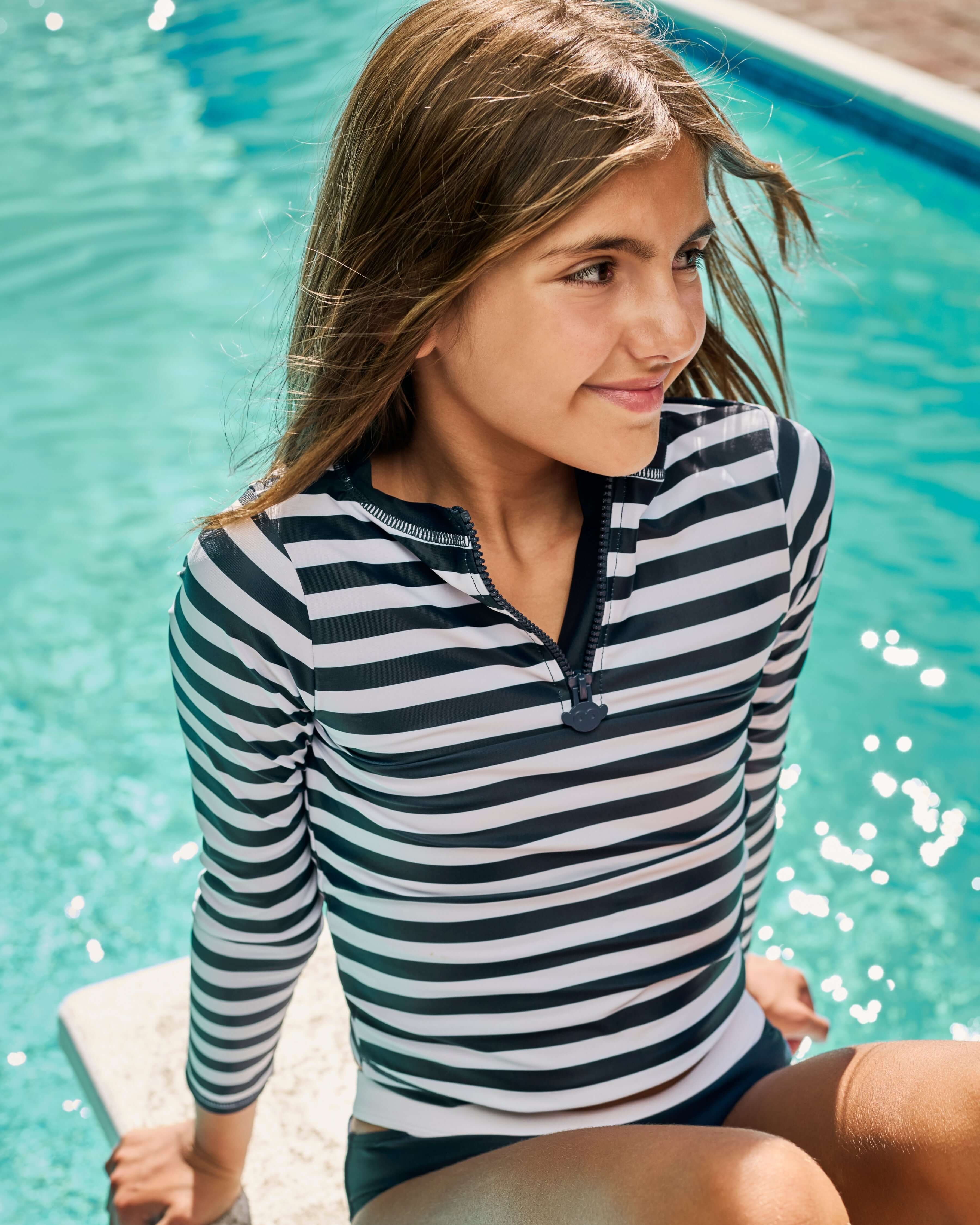
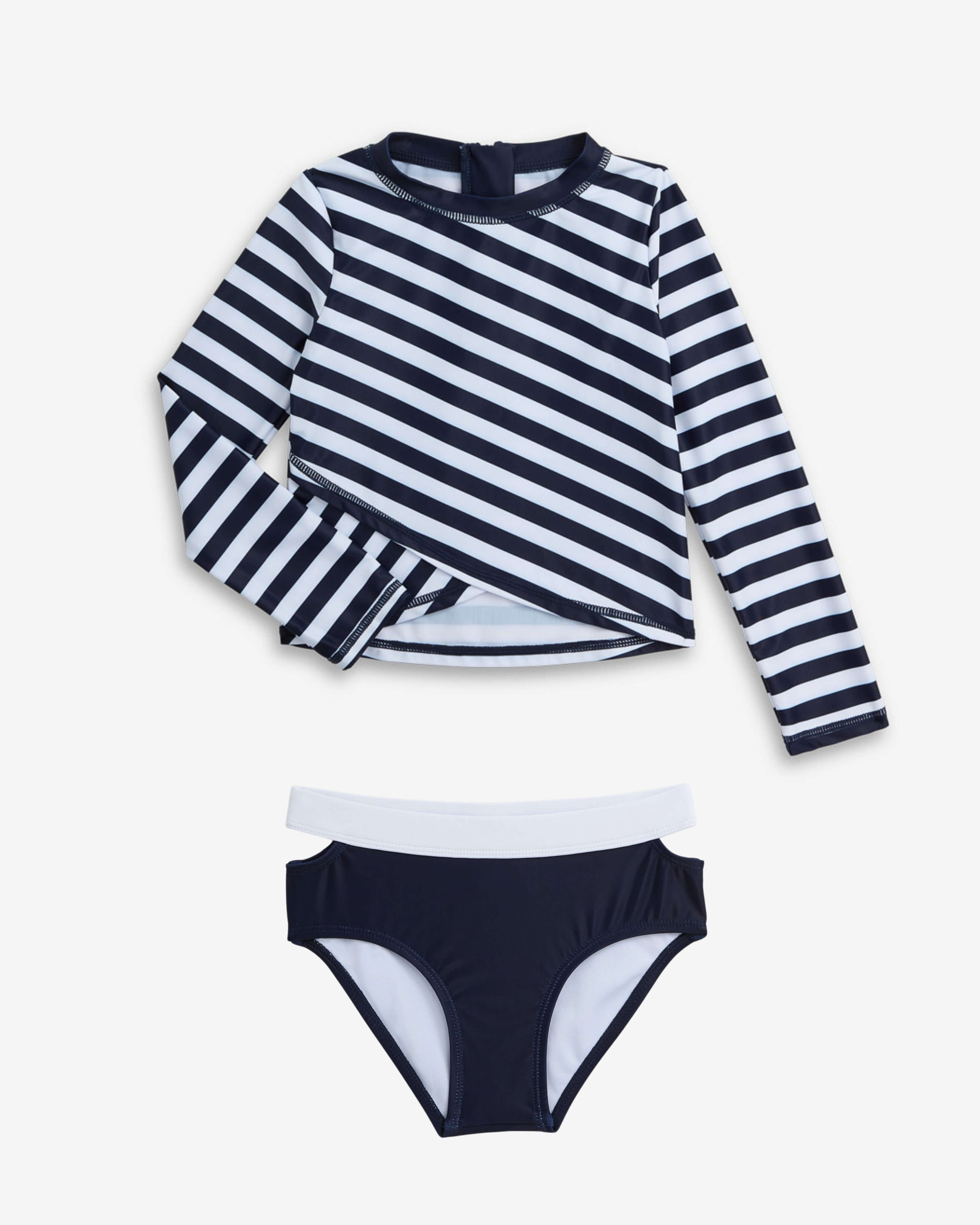
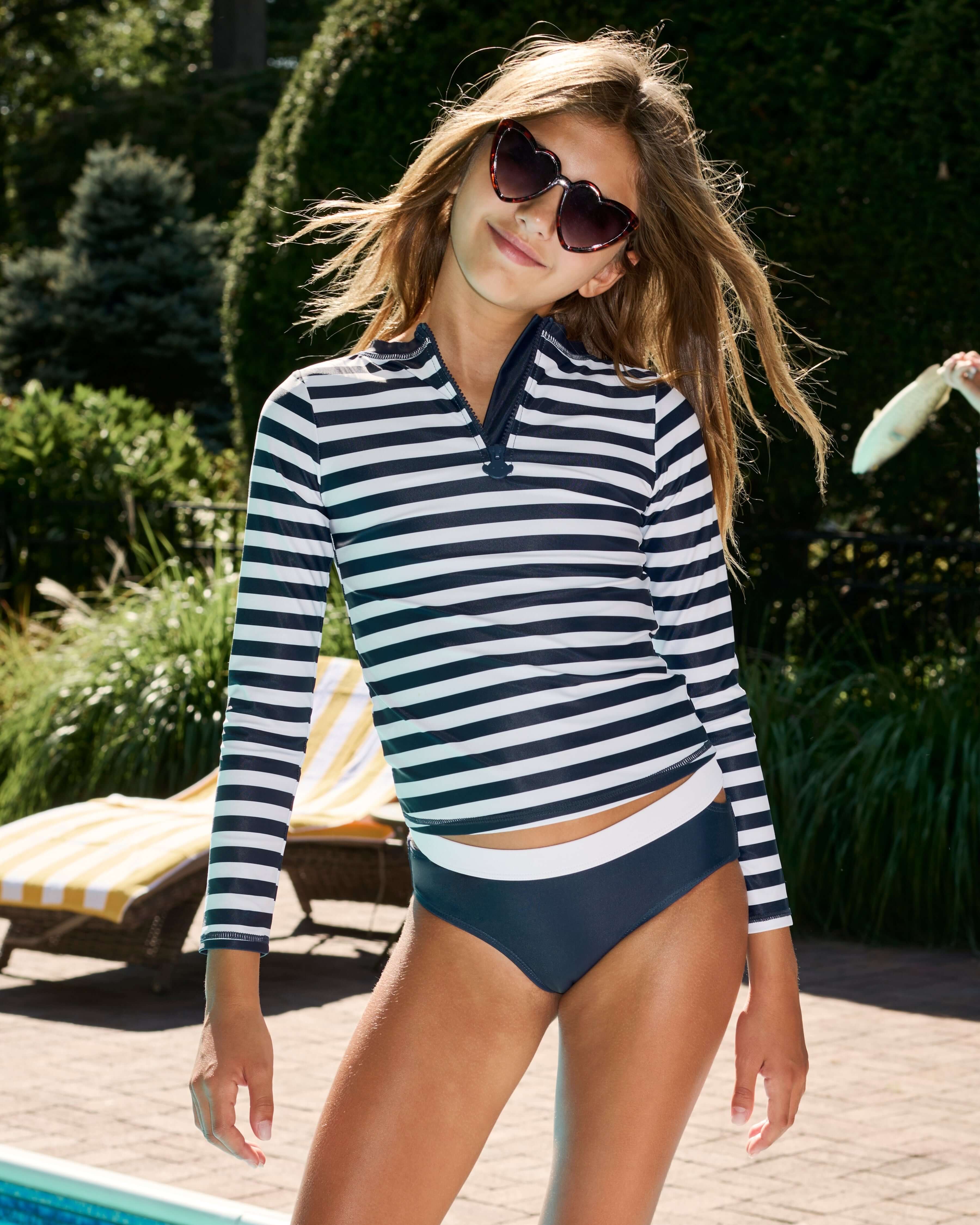
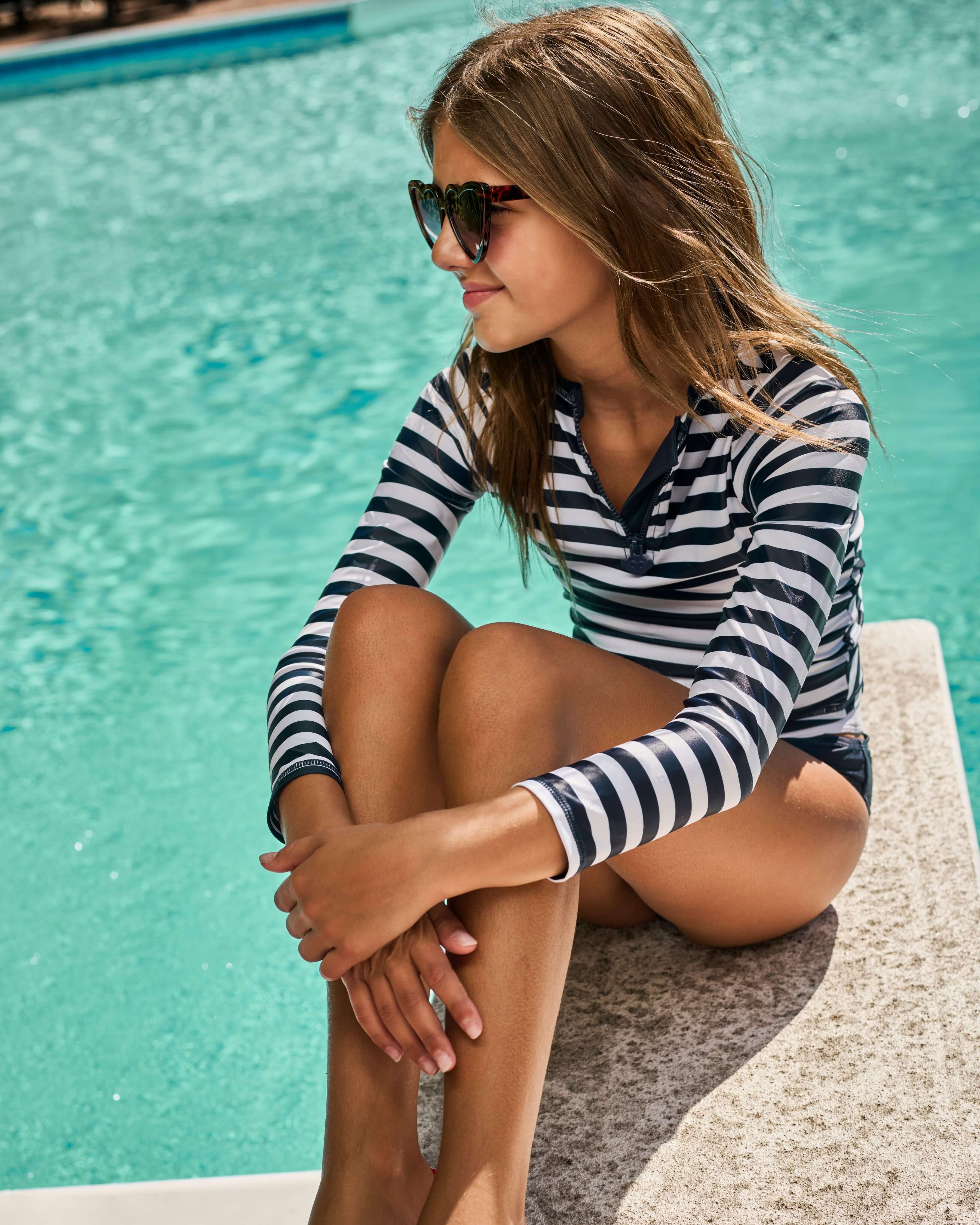
Look for rash guards, long-sleeve swim tops, and full-coverage styles that keep them protected without slowing them down.



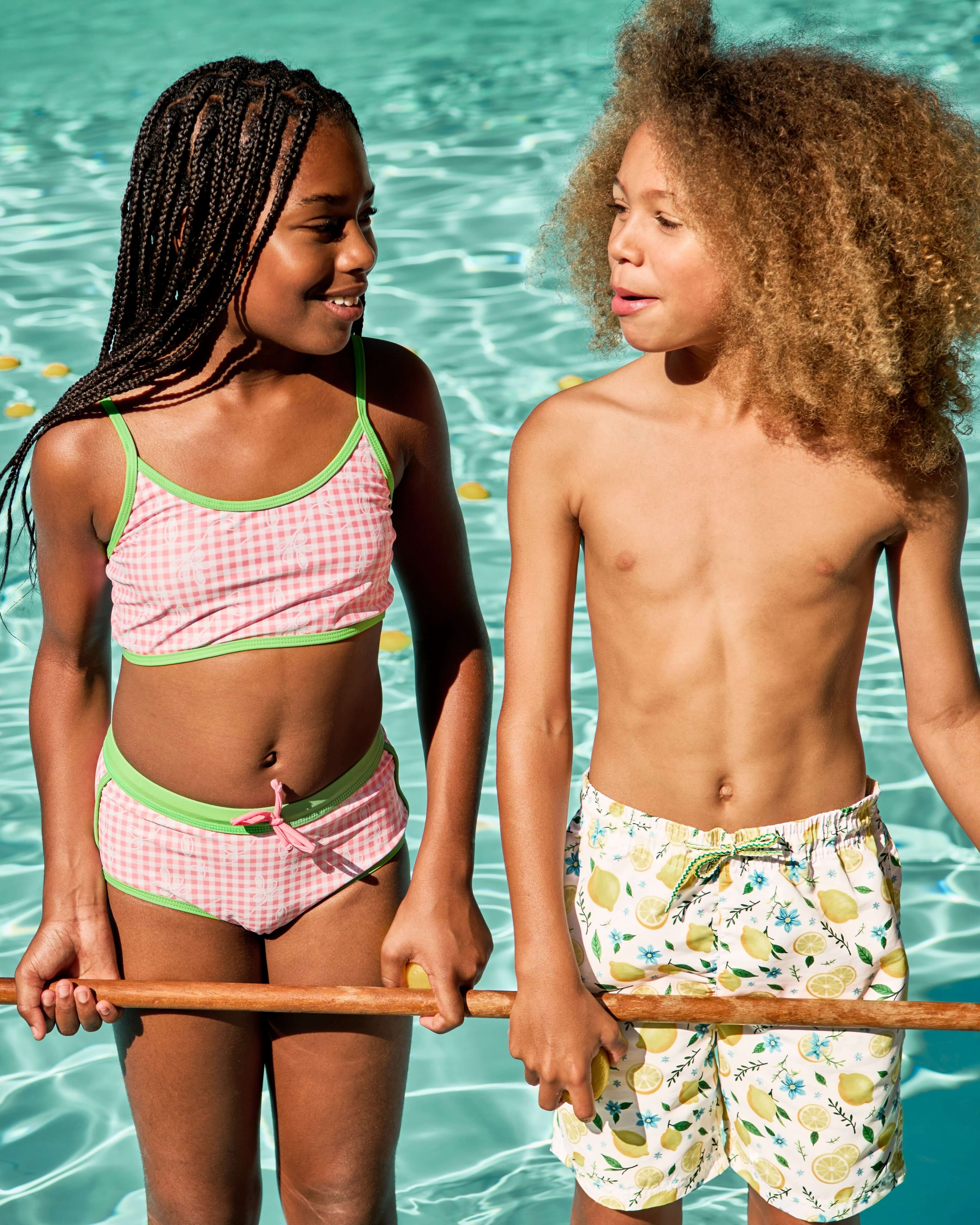

2. Comfort = More Play, Less Complaining
If it’s itchy, tight, or saggy when wet… you’ll hear about it.
The best kids’ swimsuits are designed with:
> Stretch fabrics that move with them
> Soft linings that prevent irritation
> Secure fits that stay put
Because when they’re comfortable, they stay in the moment—and you get fewer “I want to change” interruptions.

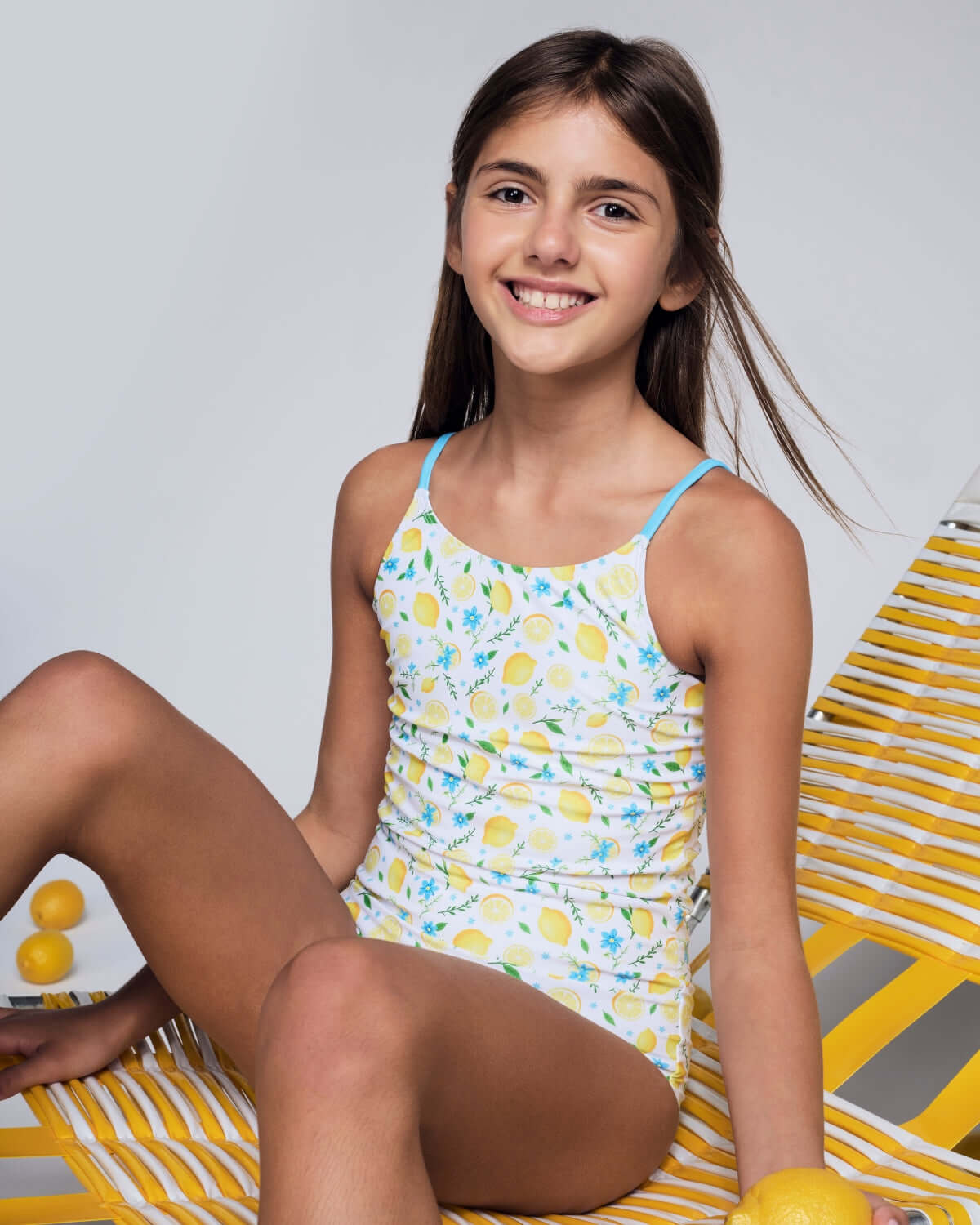
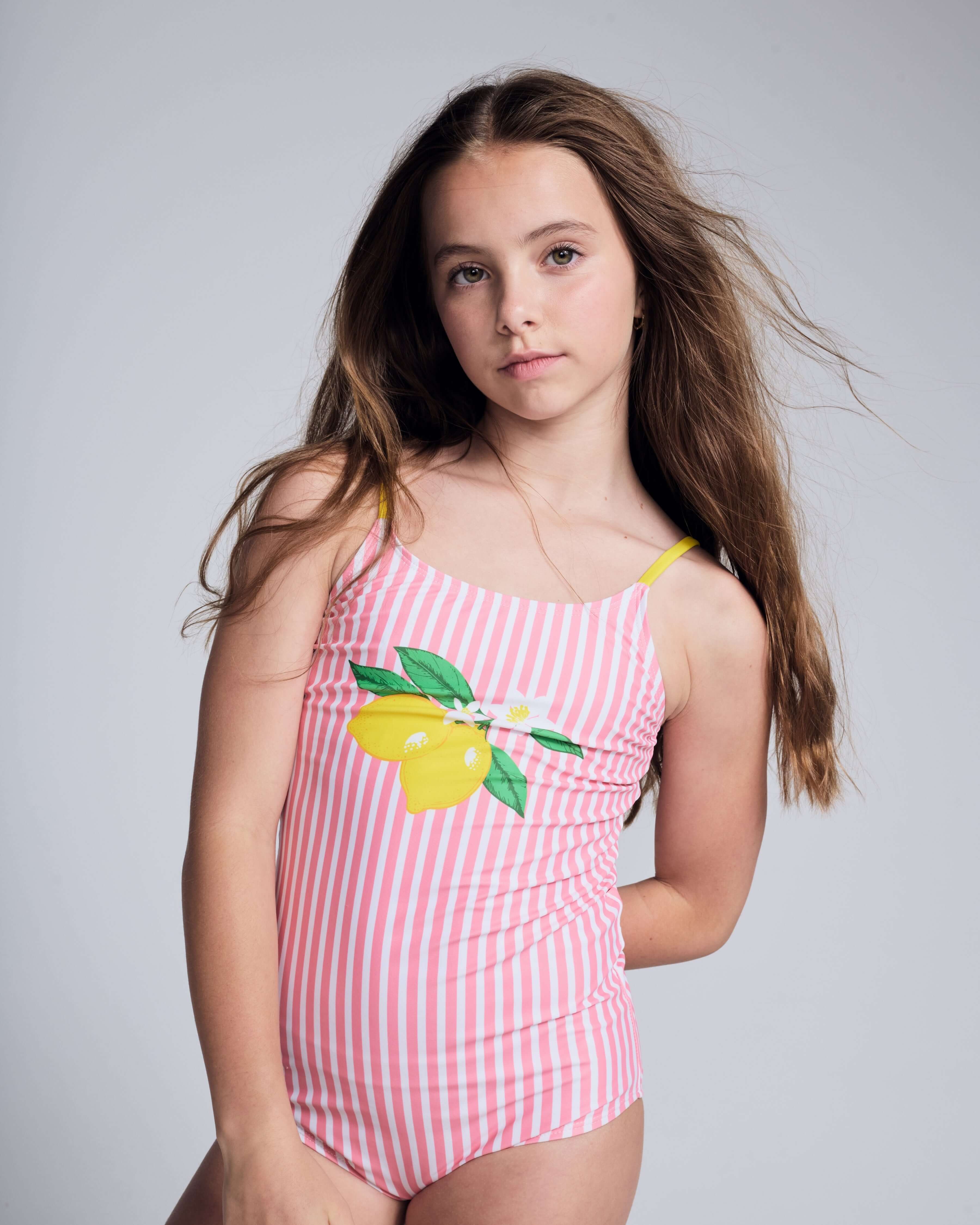
3. Color Isn’t Just Style—It’s Safety
That adorable shade of ocean blue? It might not be doing you any favors.
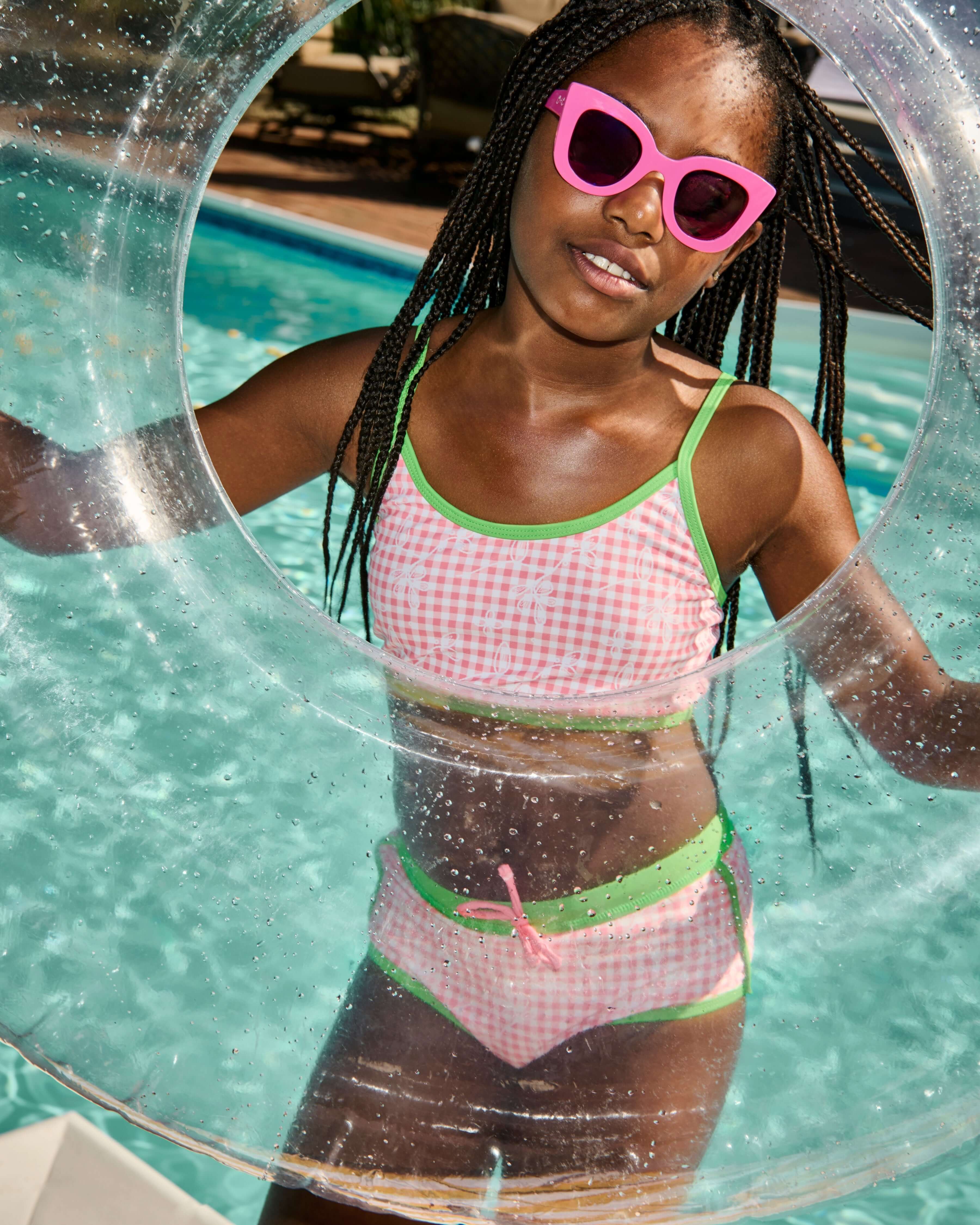
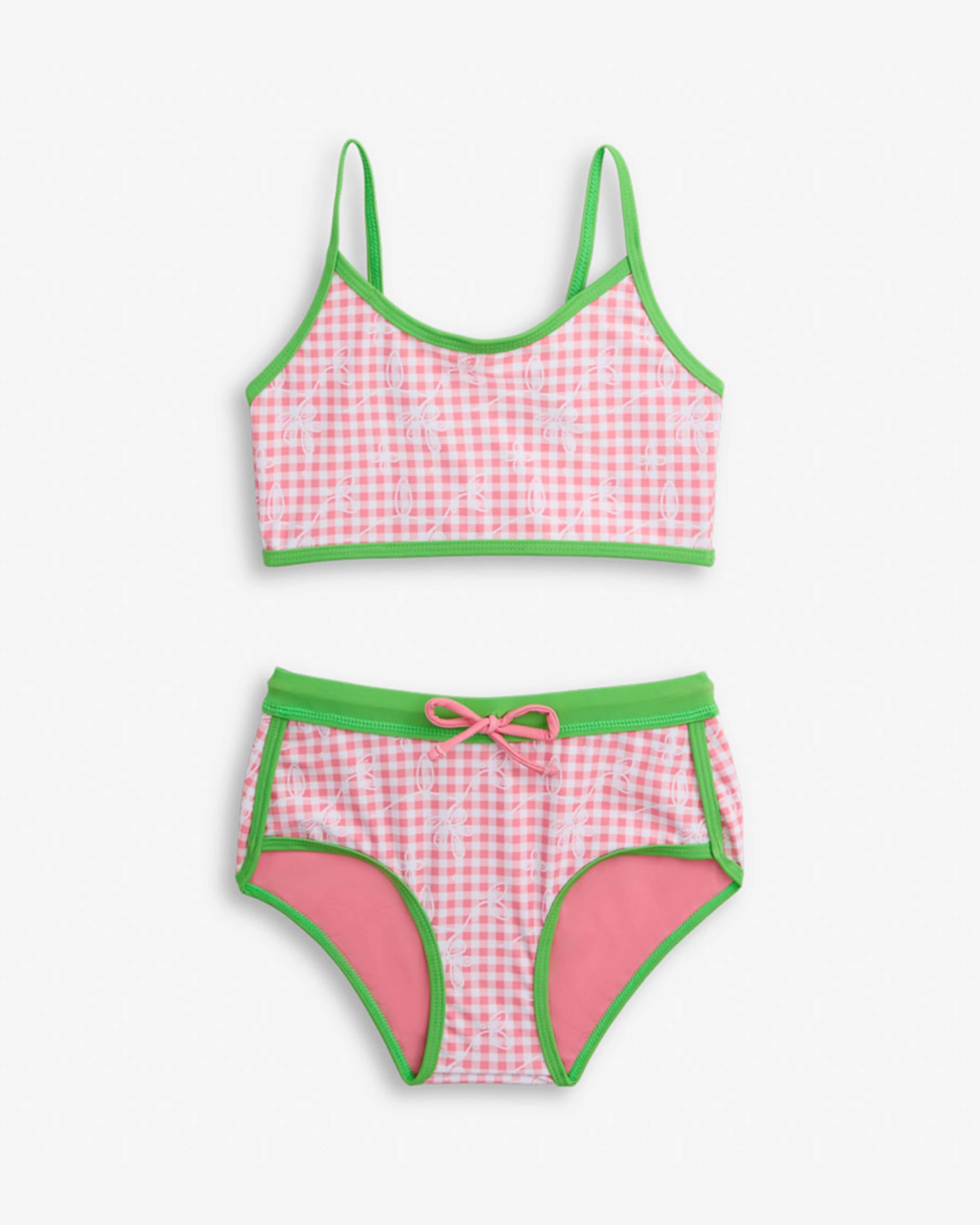
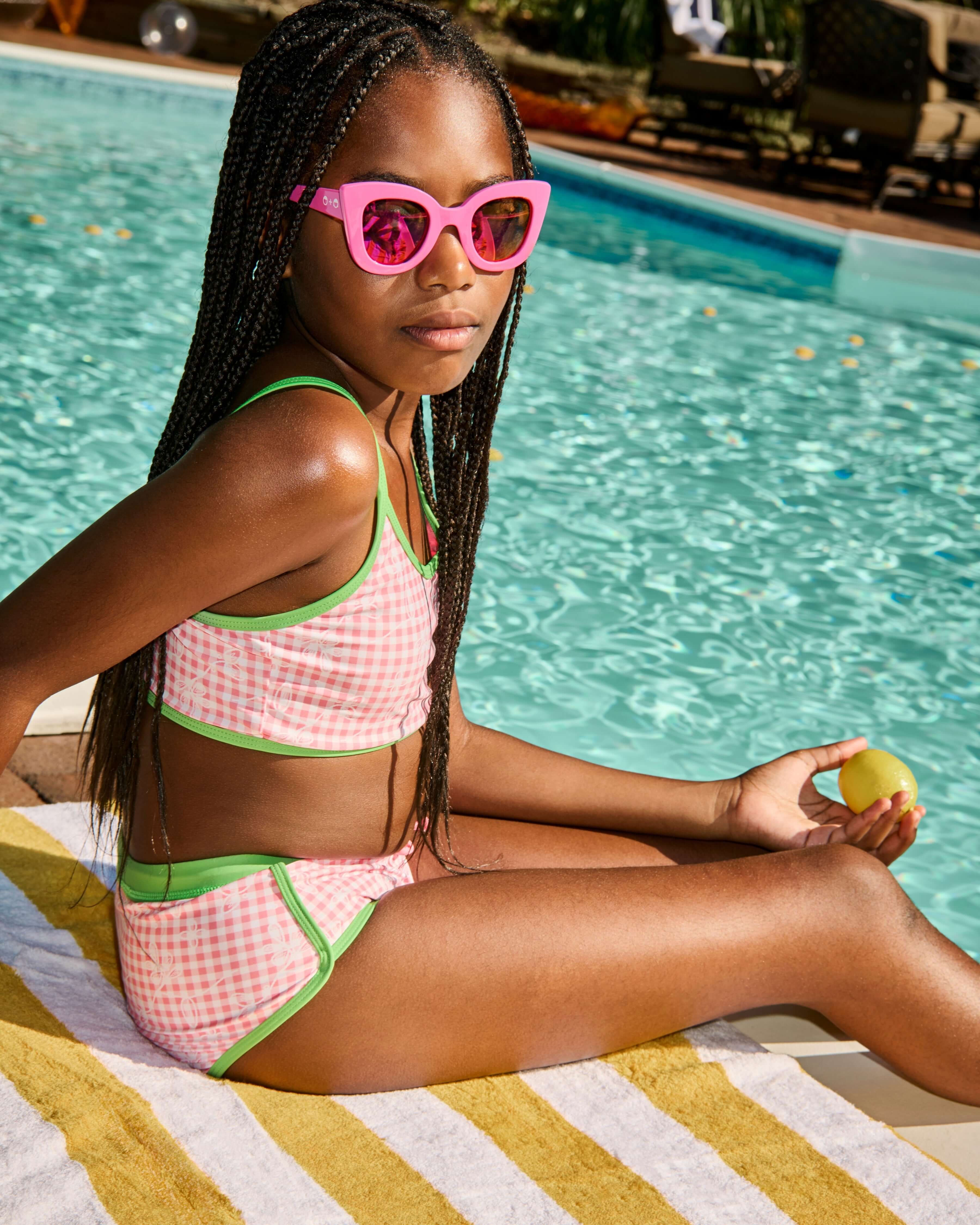
Swimsuit color plays a bigger role than most parents realize. Bright, high-contrast colors like neon orange, pink, and yellow are significantly easier to spot in the water, while colors like blue, white, and pastels can practically disappear beneath the surface.
Why this matters:
> Easier to keep eyes on your child in crowded pools or beaches
> Faster visibility in case of an emergency
> Added peace of mind during busy summer days
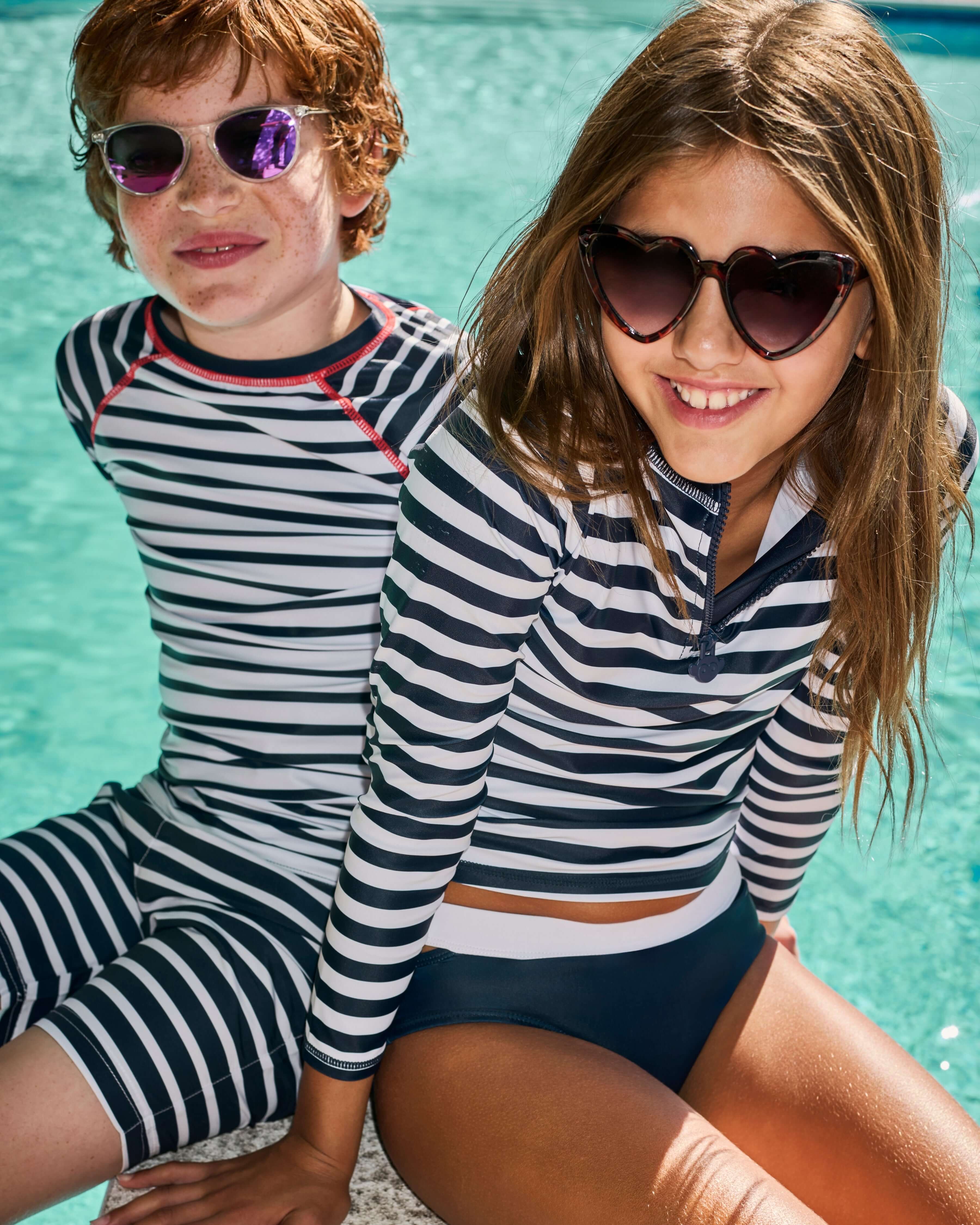
Even patterns matter—bold, high-contrast prints can help your child stand out, while muted tones blend into the water.
The takeaway? When choosing kids’ swimwear, think beyond what looks cute on the hanger. Choose colors that work as hard as you do—keeping your child visible, safe, and easy to spot from the sidelines.

4. Quick-Dry Fabrics Save the Day
There’s nothing worse than a soggy swimsuit clinging on the car ride home.
Modern kids’ swimwear uses quick-dry technology, which means:
> Less post-pool discomfort
> Easier transitions from water to lunch to play
> Fewer outfit changes
It’s one of those small upgrades that makes a big difference (especially when you’re juggling snacks, towels, and everything else).
5. Durability That Keeps Up With Them
Kids are rough on clothes. Add chlorine, saltwater, and sun, and most swimsuits don’t stand a chance. A well-made swimsuit:
> Holds its shape after multiple washes
> Keeps colors vibrant
> Resists stretching and thinning
Translation: fewer replacements, more wear, and better value per splash.


FAQs: Kids’ Swimsuits That Work as Hard as They Play
What is the best swimsuit material for kids?
Look for quick-dry, stretchy fabrics like polyester blends or nylon with spandex. These materials are lightweight, breathable, and built to handle chlorine, saltwater, and nonstop movement—aka everything your kids throw at them.
Do kids’ swimsuits really need UPF protection?
Yes. UPF 50+ swimwear helps block harmful UV rays and protects areas sunscreen often misses. It’s one of the easiest ways to add an extra layer of sun safety without extra effort.
What swimsuit colors are safest for kids?
Bright, high-visibility colors like neon orange, pink, and yellow are easiest to spot in the water. Avoid blues, whites, and pastels, which can blend into pools or oceans and make kids harder to see.
Why is quick-dry fabric important in kids’ swimwear?
Quick-dry swimsuits help prevent that uncomfortable, clingy feeling after swimming. They also make transitions easier—from pool to lunch to play—so you’re not dealing with constant outfit changes.