



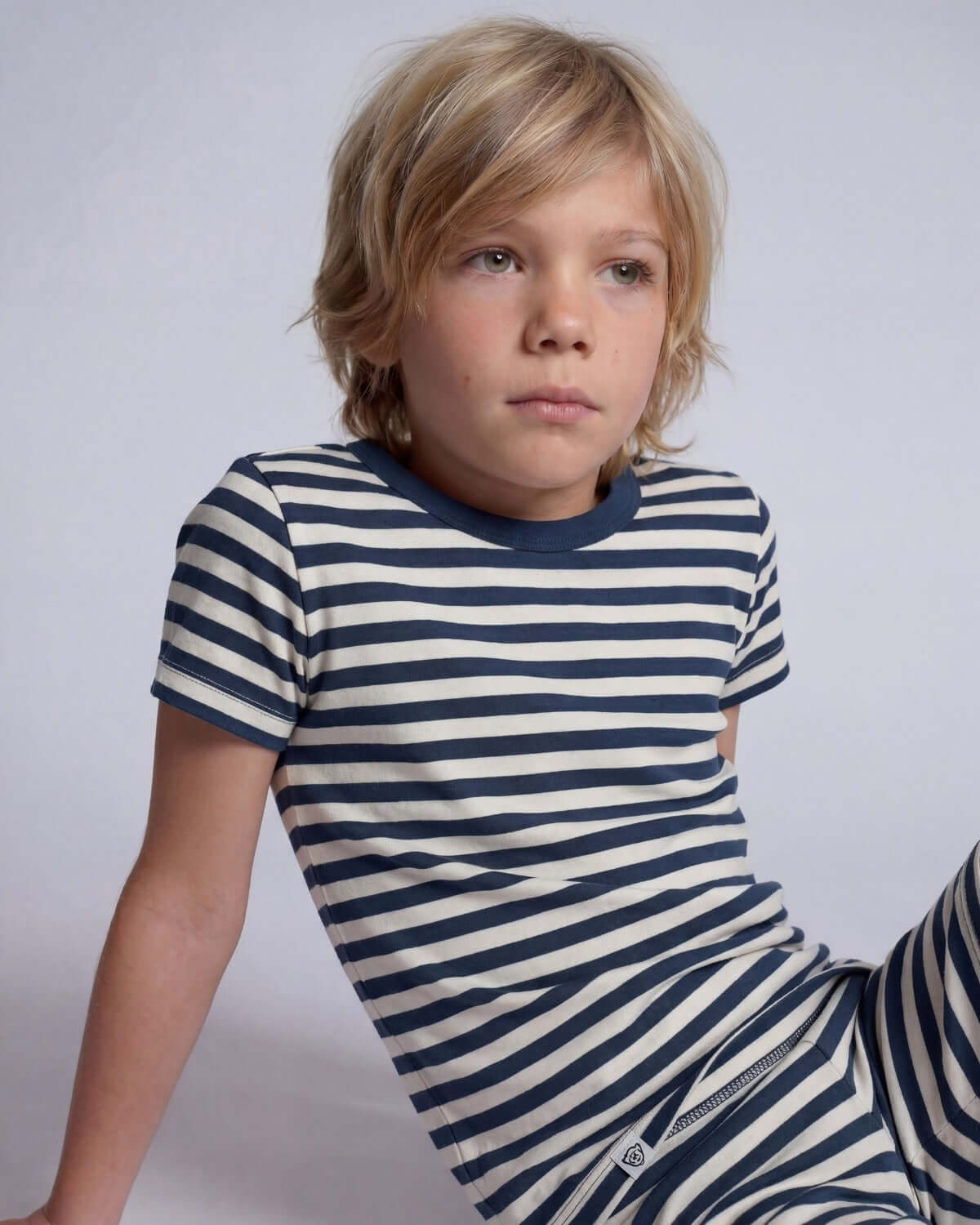


Our Fitting Guide
Our fitting guide is carefully designed to ensure a proper and comfortable fit for your little ones. It provides detailed measurements for chest, waist, hips, height, and more. Using this chart as a reference, you can easily select the right size for your child, ensuring their clothing fits just right!
Suiting Size Chart
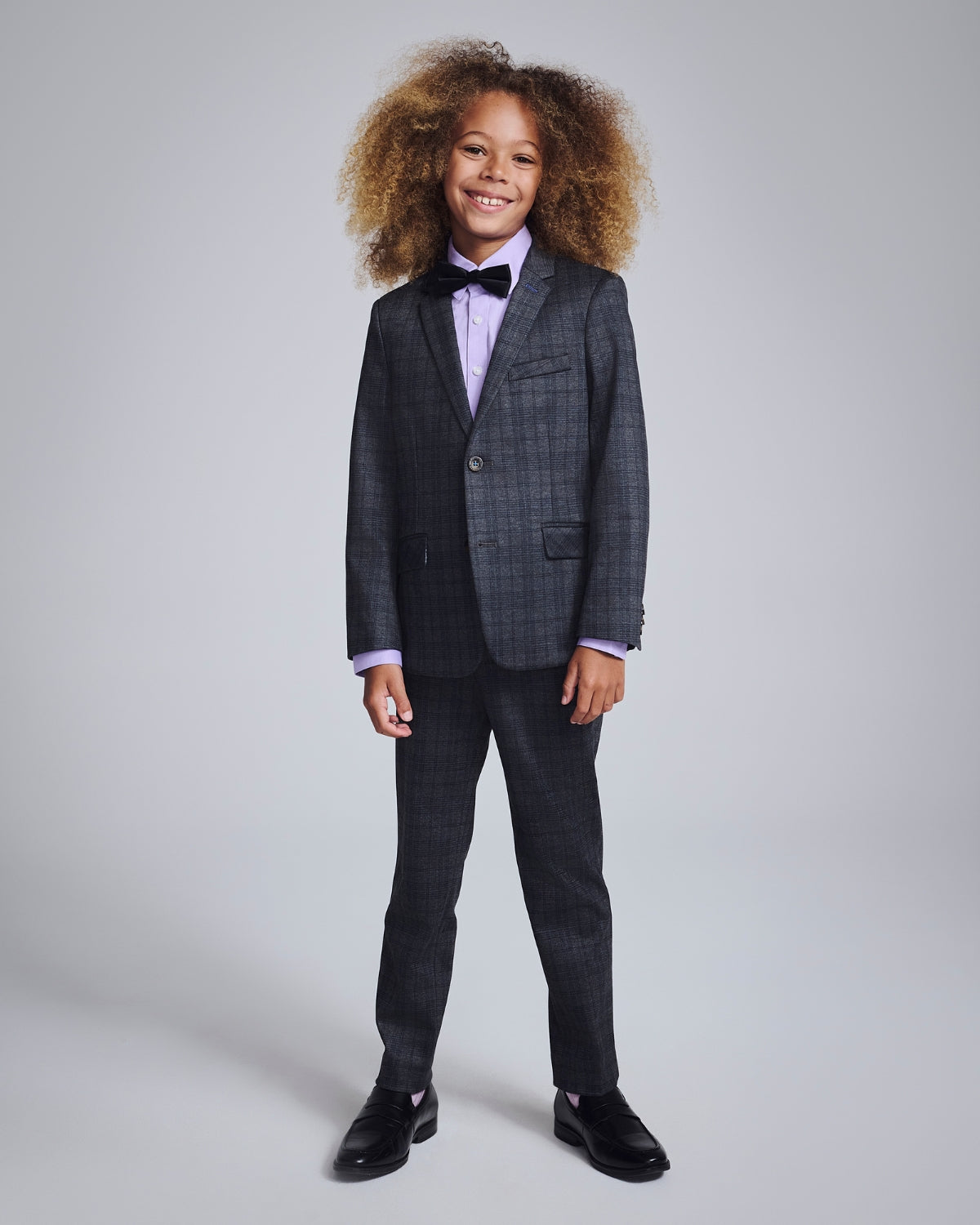
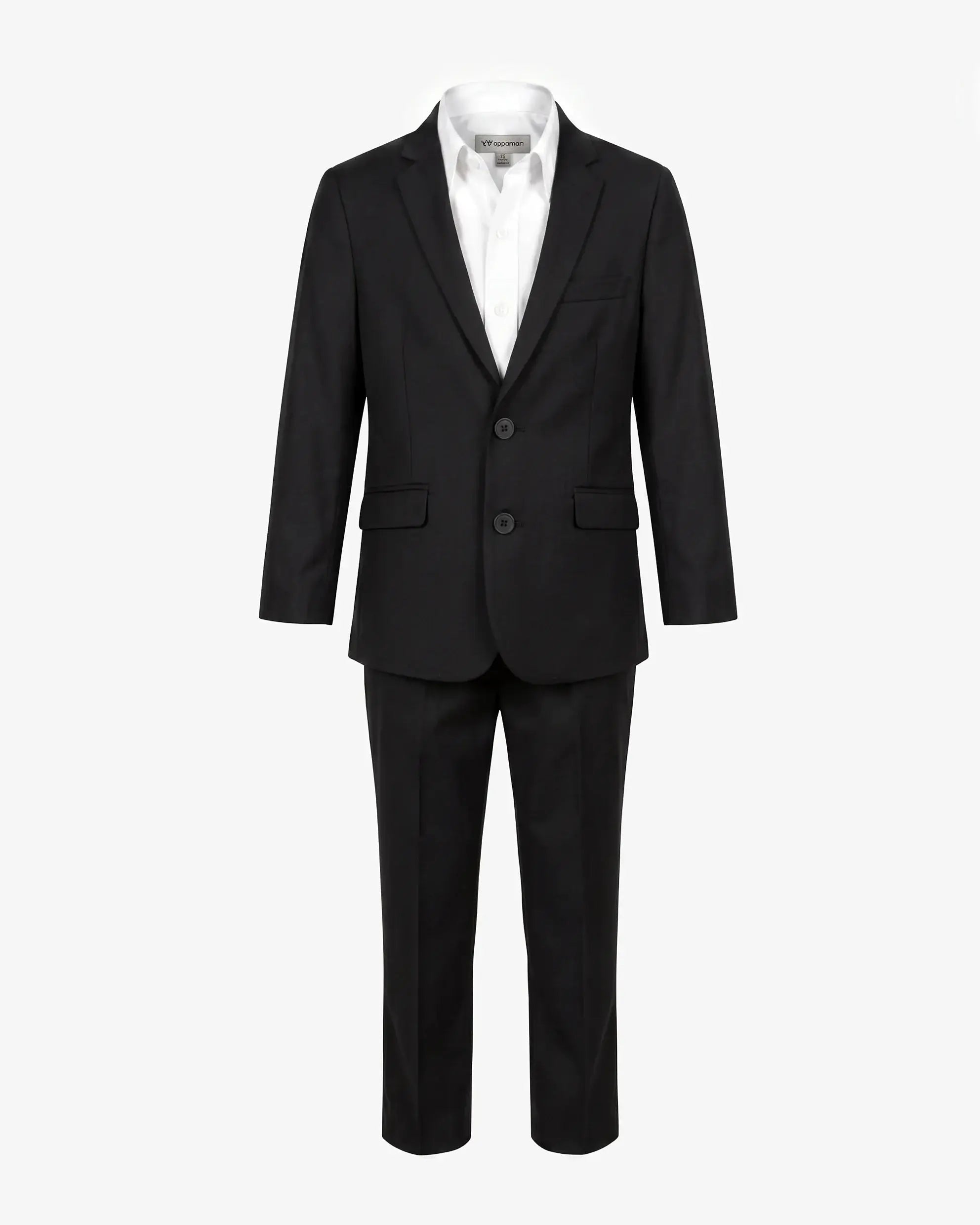
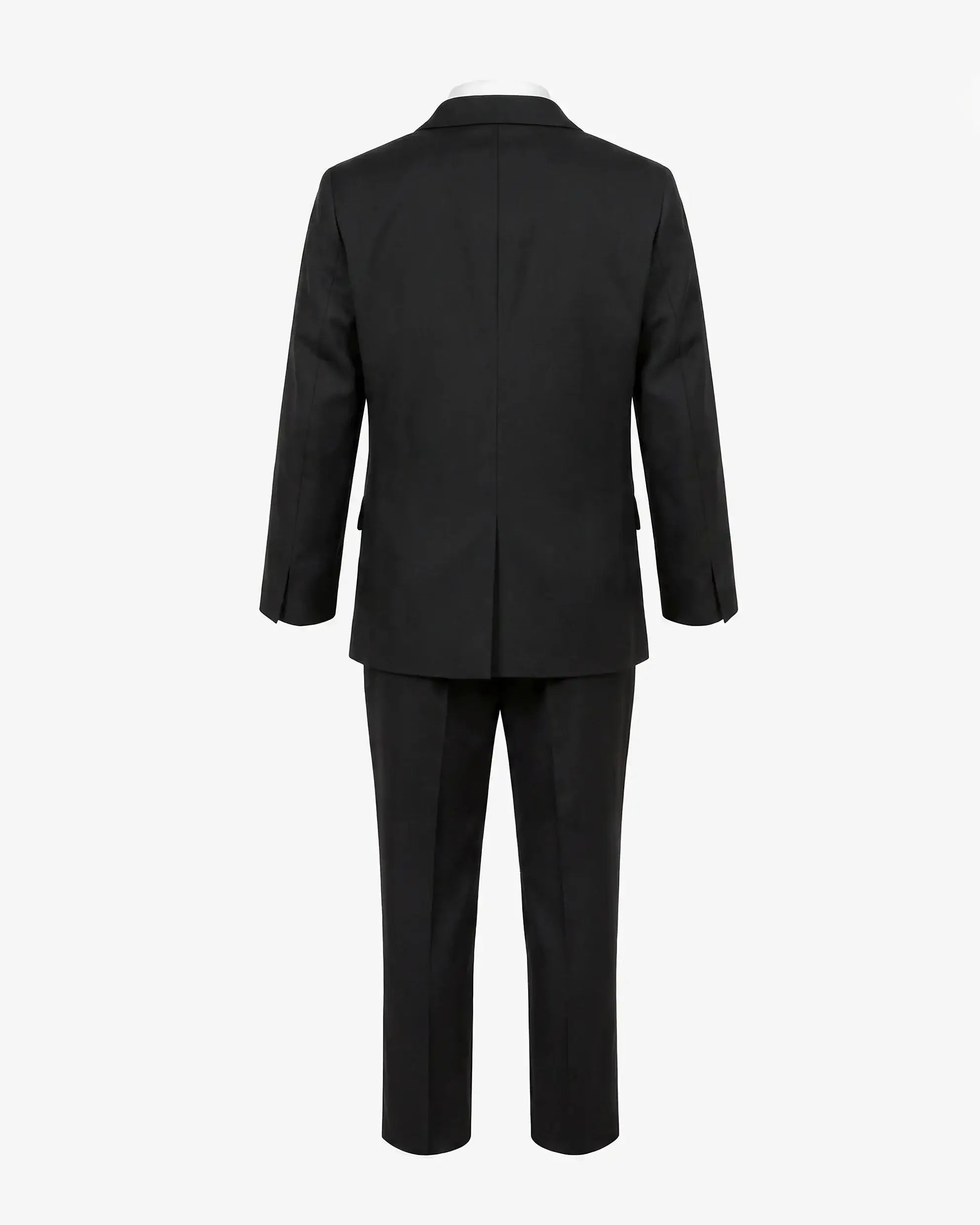
Find the perfect fit for your little gentleman with our boys' suiting size chart, tailored to help you suit him up in style and comfort.
| Size | Height | Weight | Chest | Waist | Hip | Inseam |
|---|---|---|---|---|---|---|
| 2T | 33"–36" | 27–32 lbs | 21" | 18" | 22" | 13" |
| 3T | 36"–39" | 32–35 lbs | 22" | 19" | 23" | 14.5" |
| 4T | 39"–42" | 35–40 lbs | 23" | 20" | 24" | 16" |
| 5 | 42"–45" | 40–45 lbs | 24" | 21" | 25" | 17" |
| 6 | 45"–48" | 45–50 lbs | 25" | 22" | 26" | 19" |
| 7 | 48"–51" | 50–56 lbs | 26" | 23" | 27" | 20" |
| 8 | 51"–53" | 56–64 lbs | 27" | 24" | 28" | 22" |
| 10 | 53"–55" | 64–75 lbs | 28" | 25" | 29" | 24" |
| 12 | 55"–59" | 76–86 lbs | 29" | 26" | 30" | 26" |
| 14 | 59"–63" | 90–100 lbs | 31" | 27" | 32" | 28" |
| 16 | 63"–69" | 100–120 lbs | 33" | 28" | 34" | 30" |
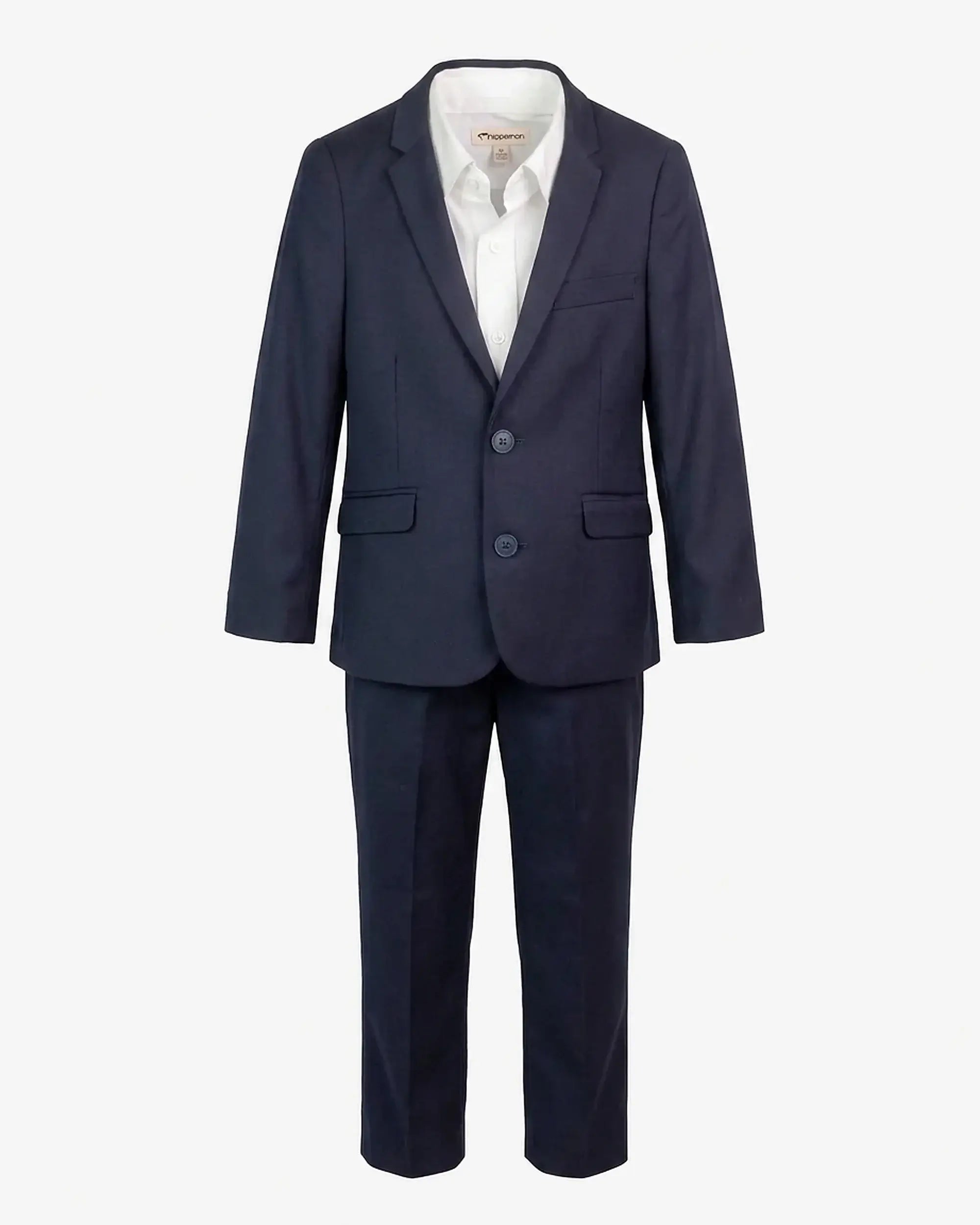
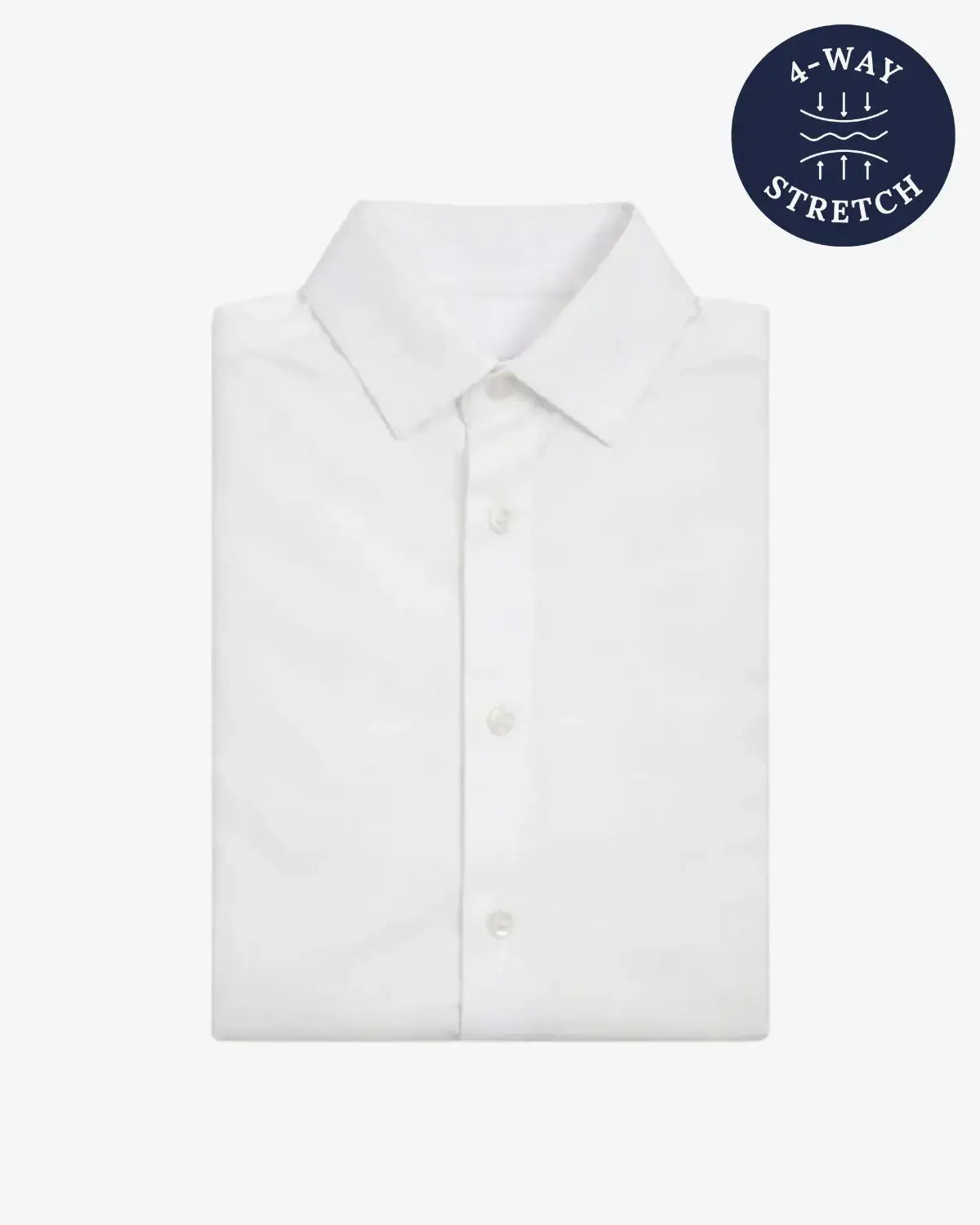
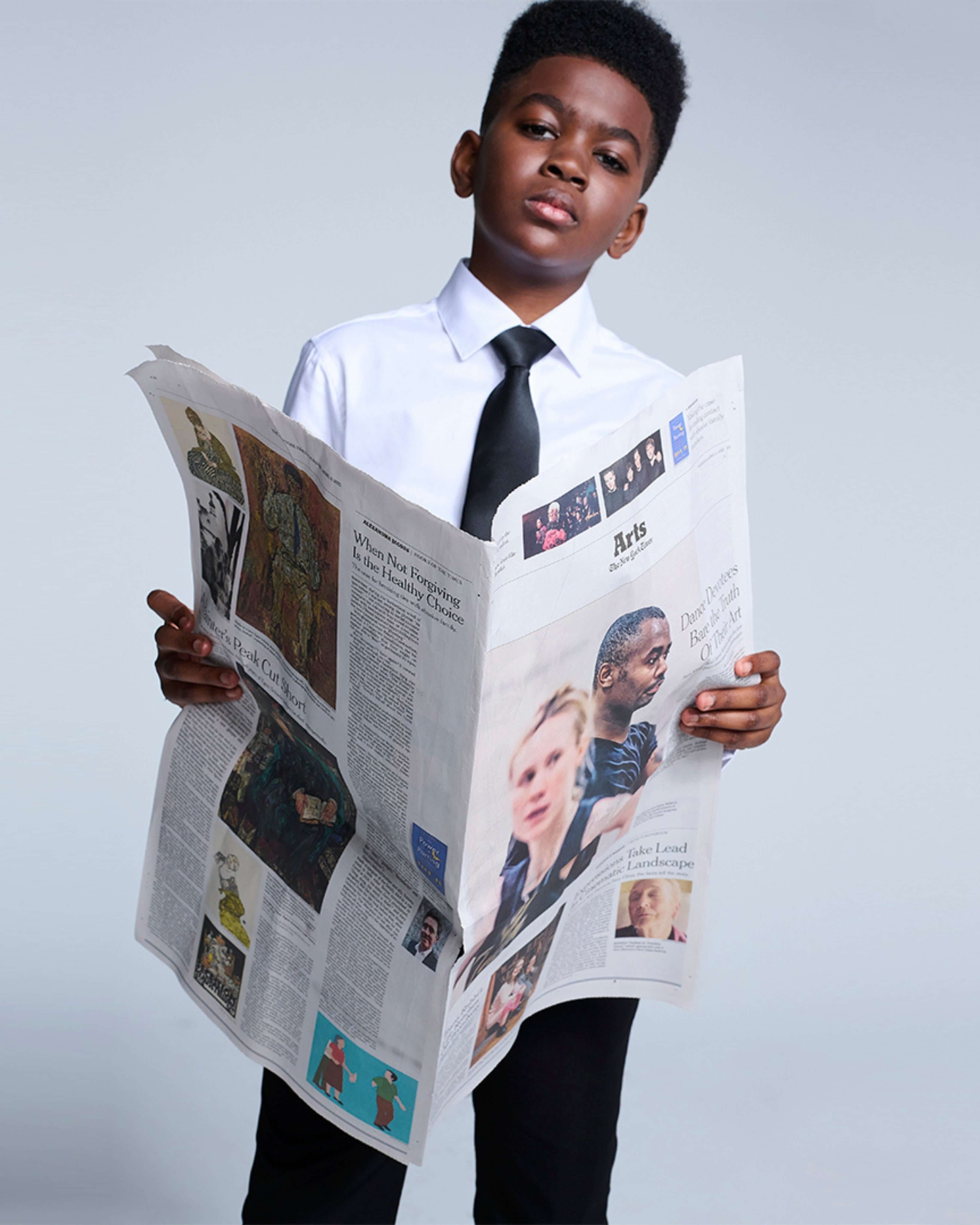
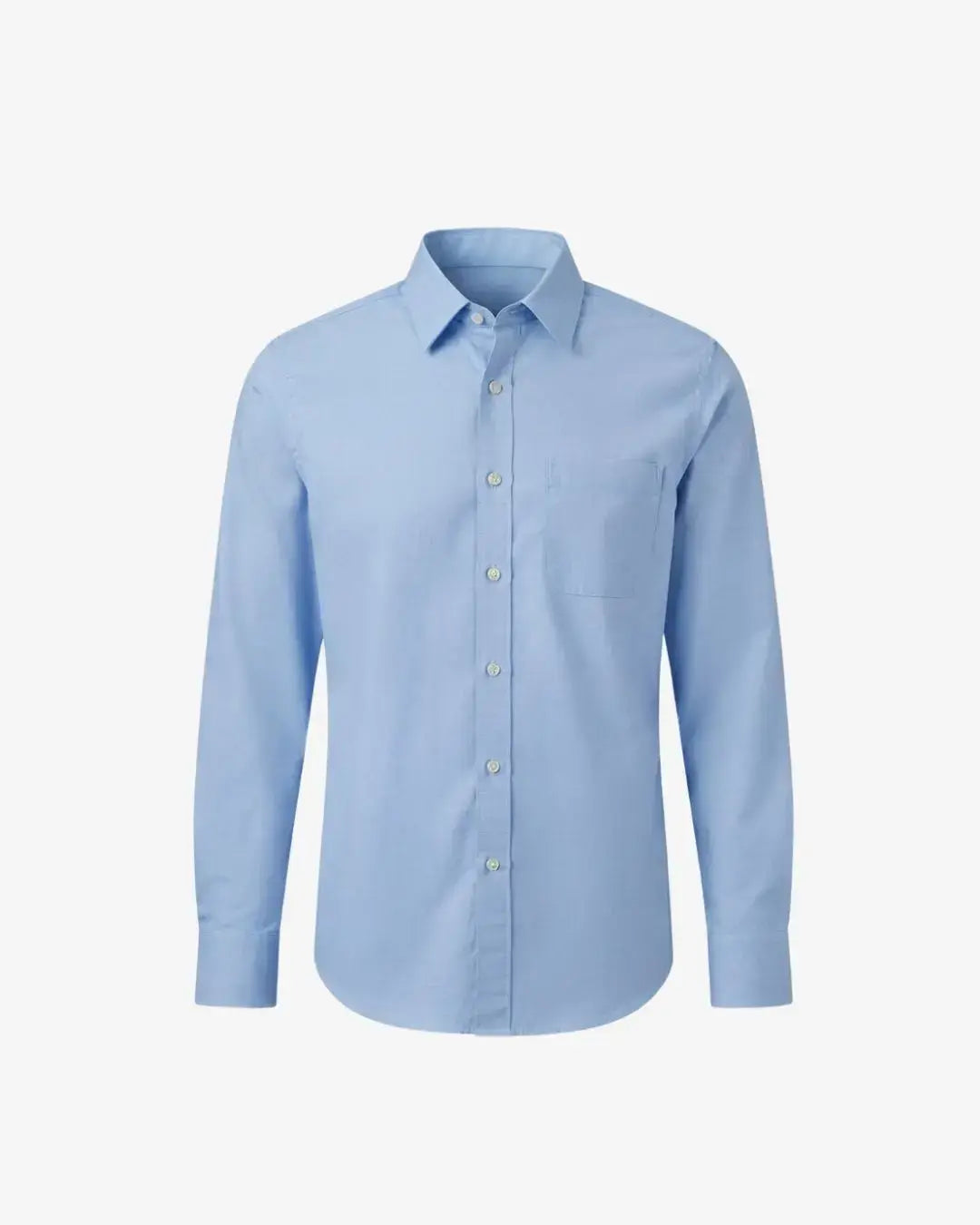
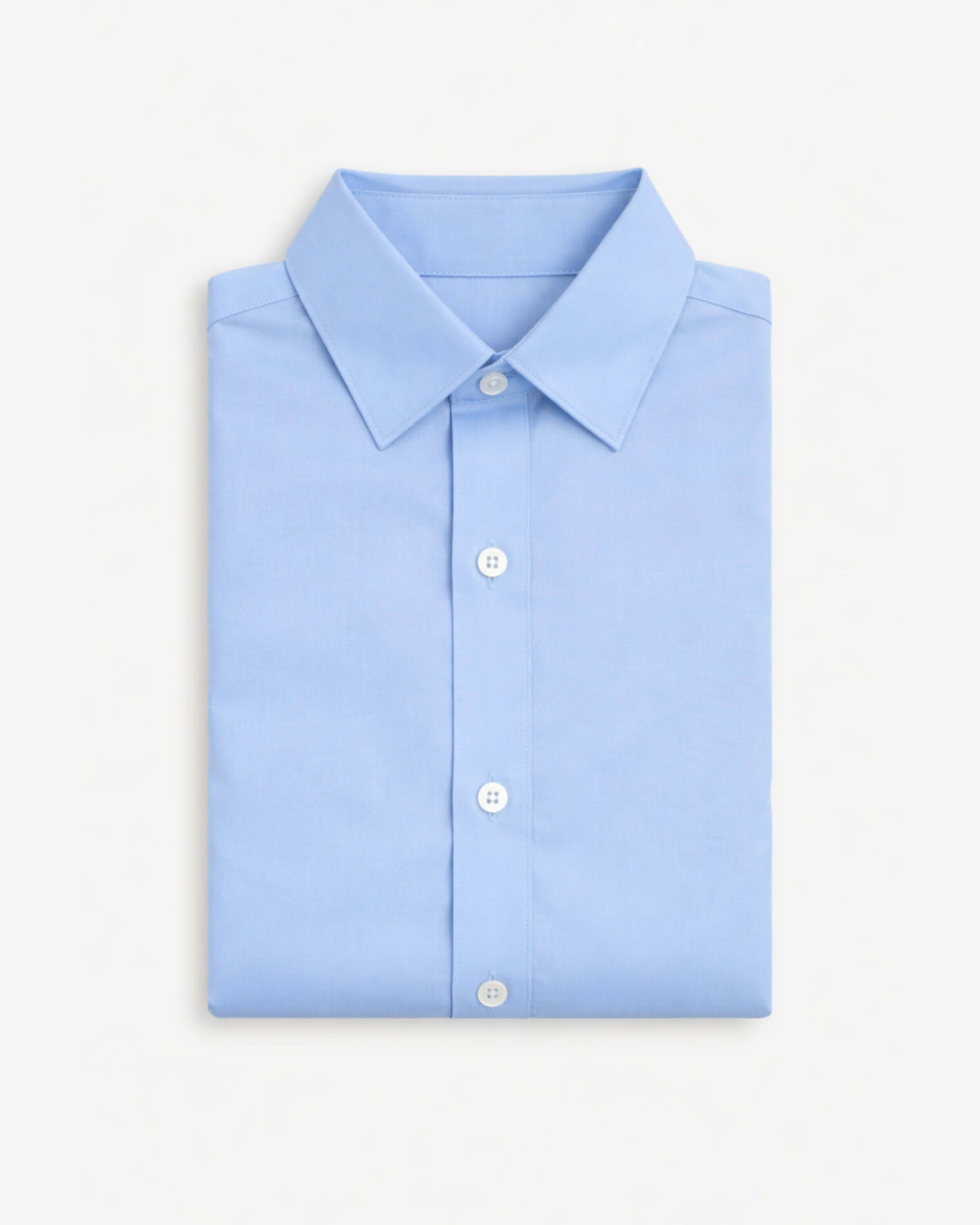
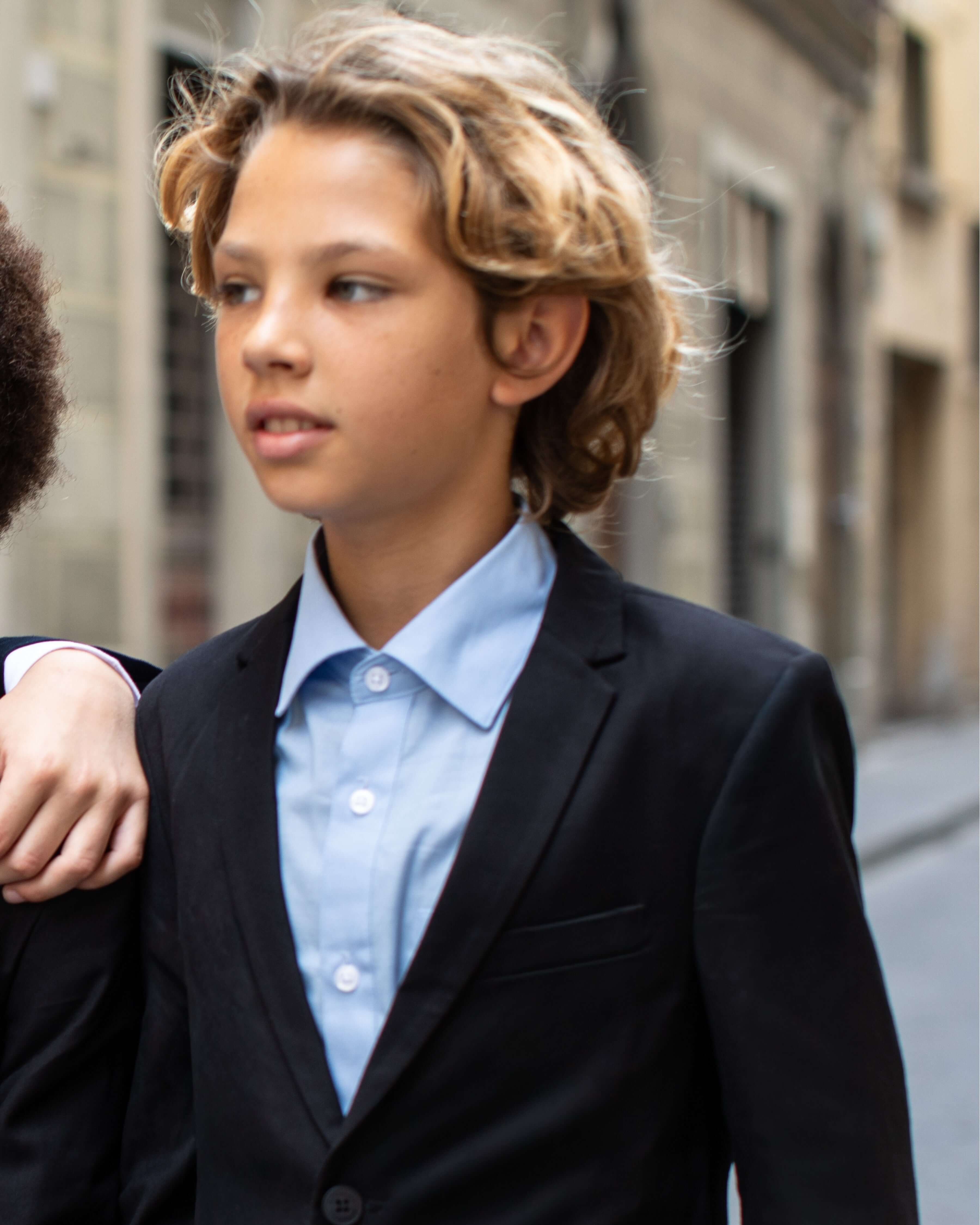
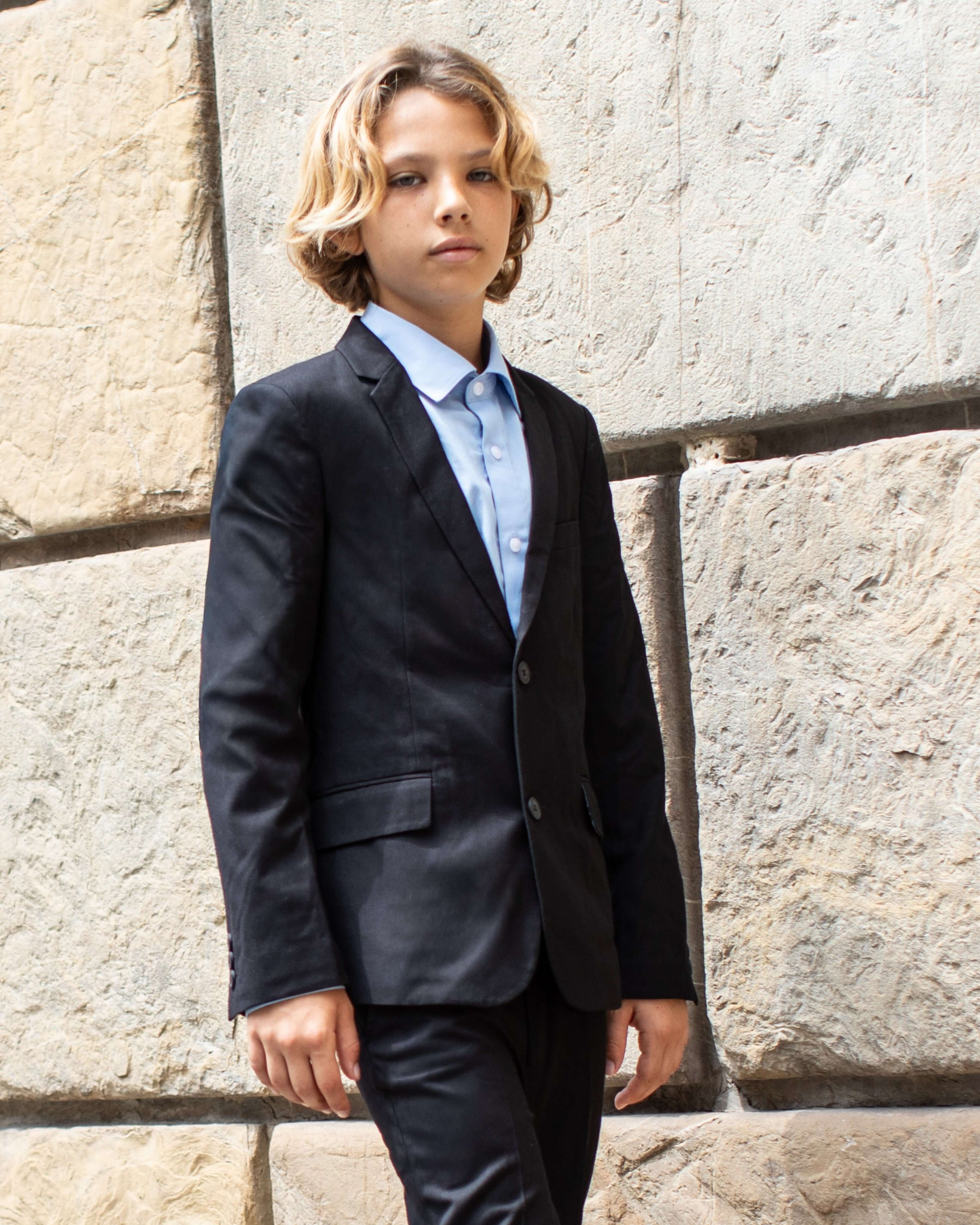
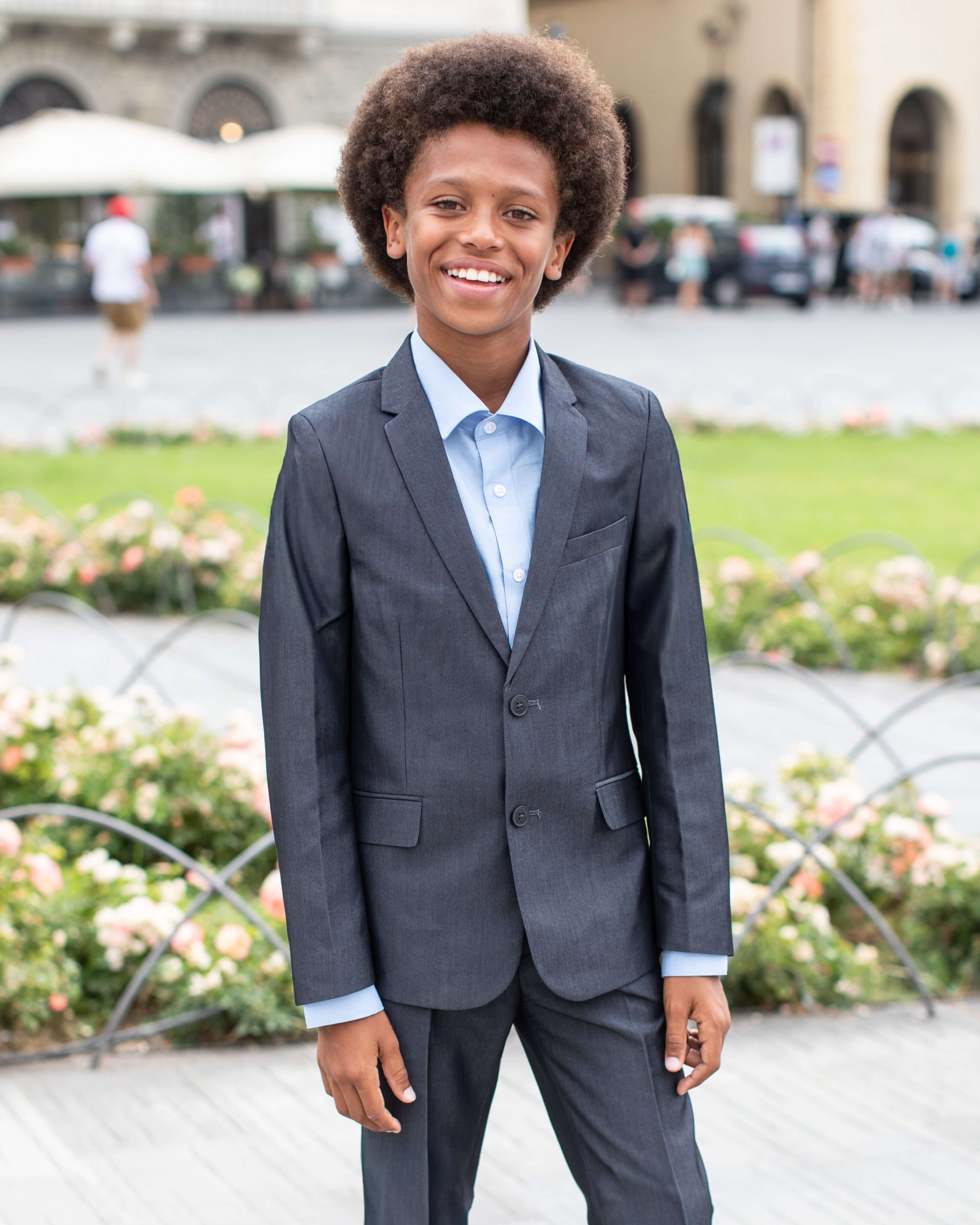
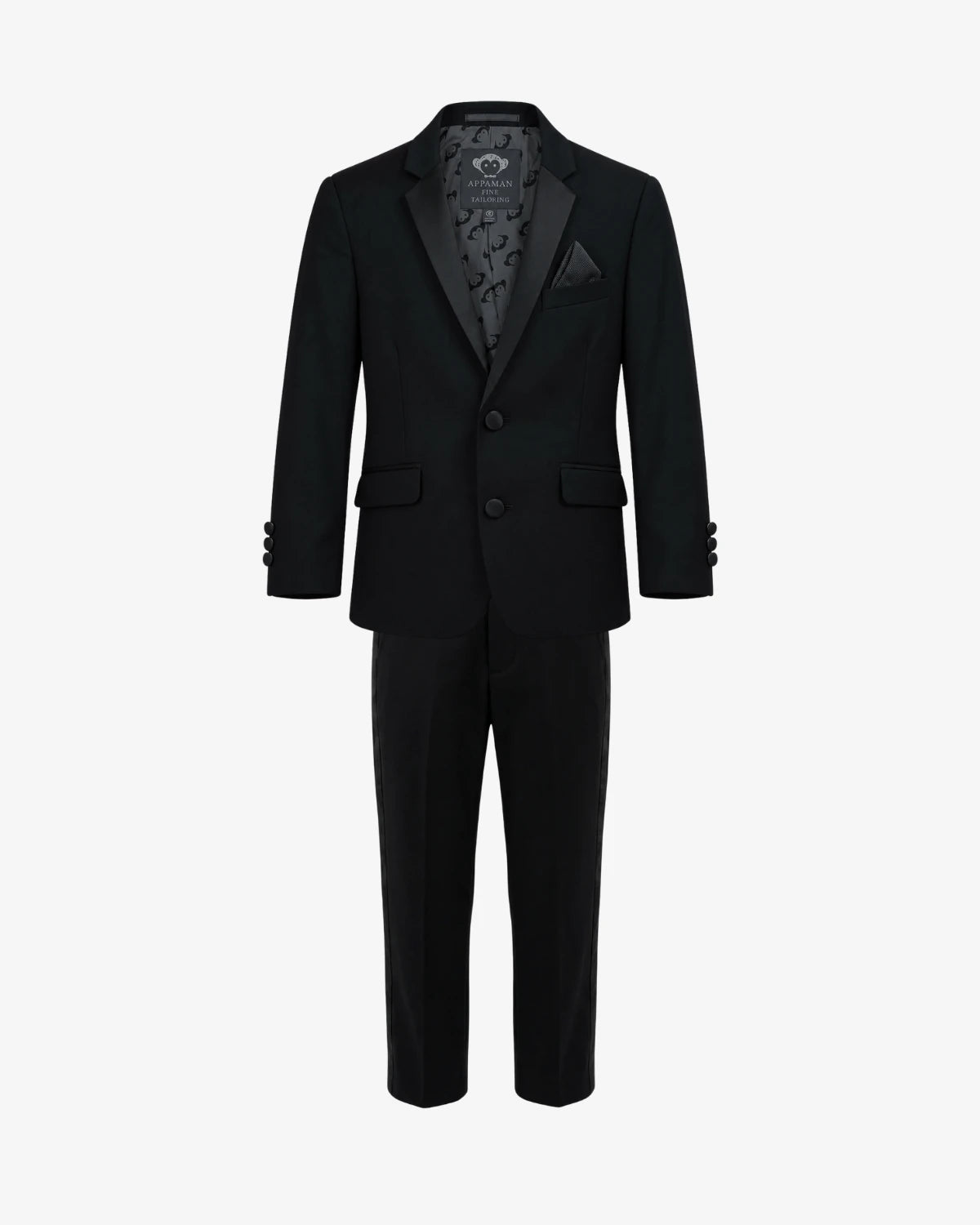
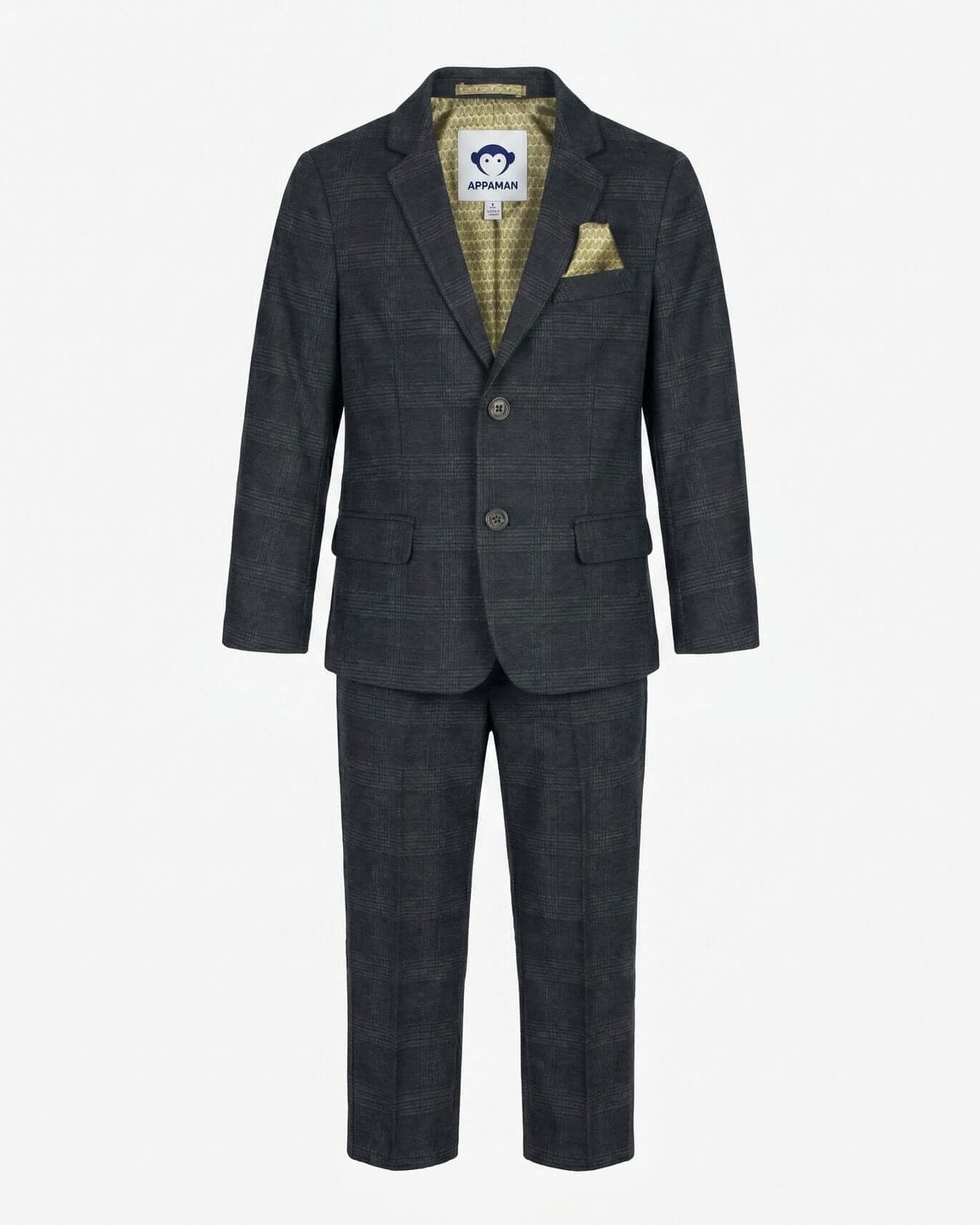
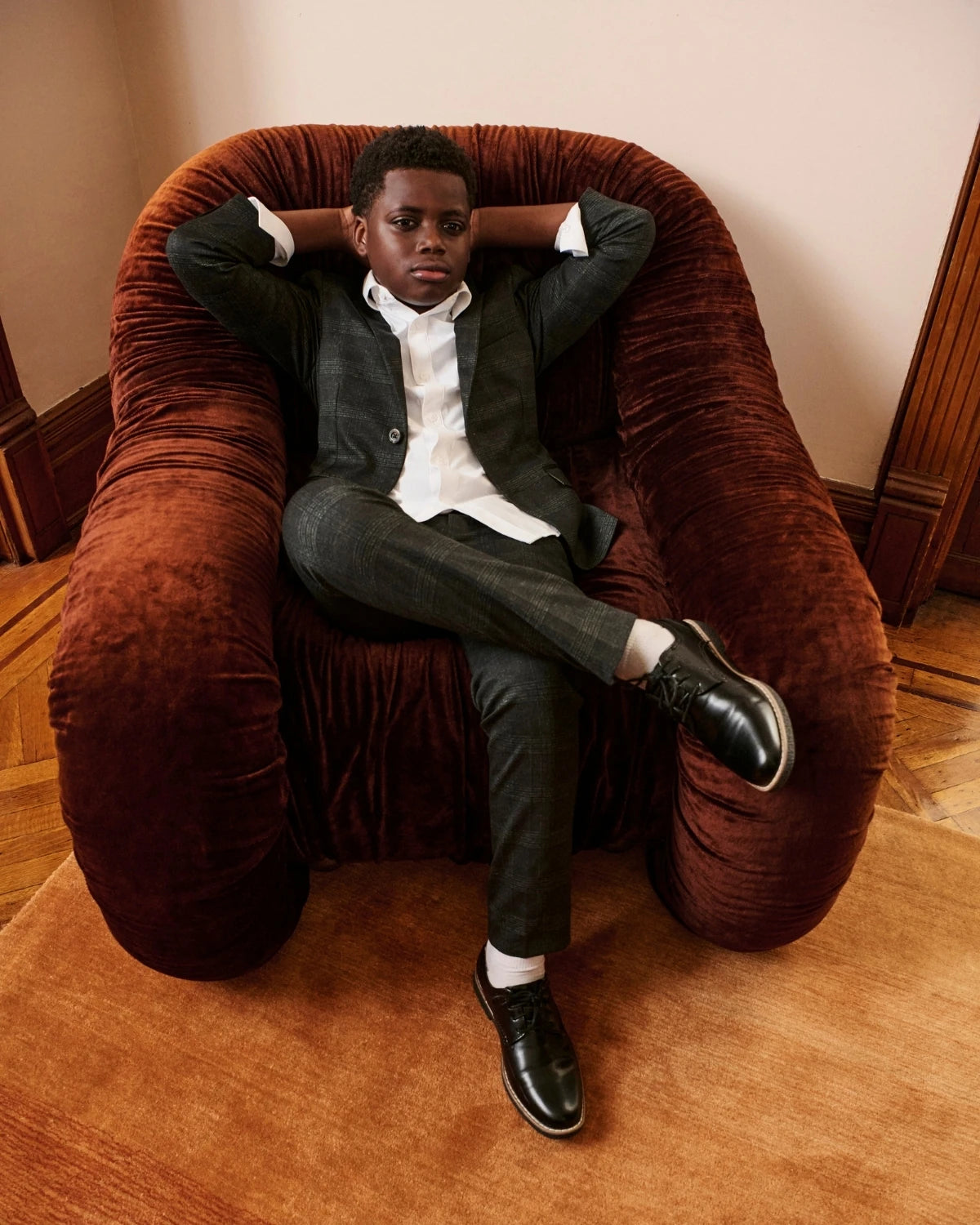
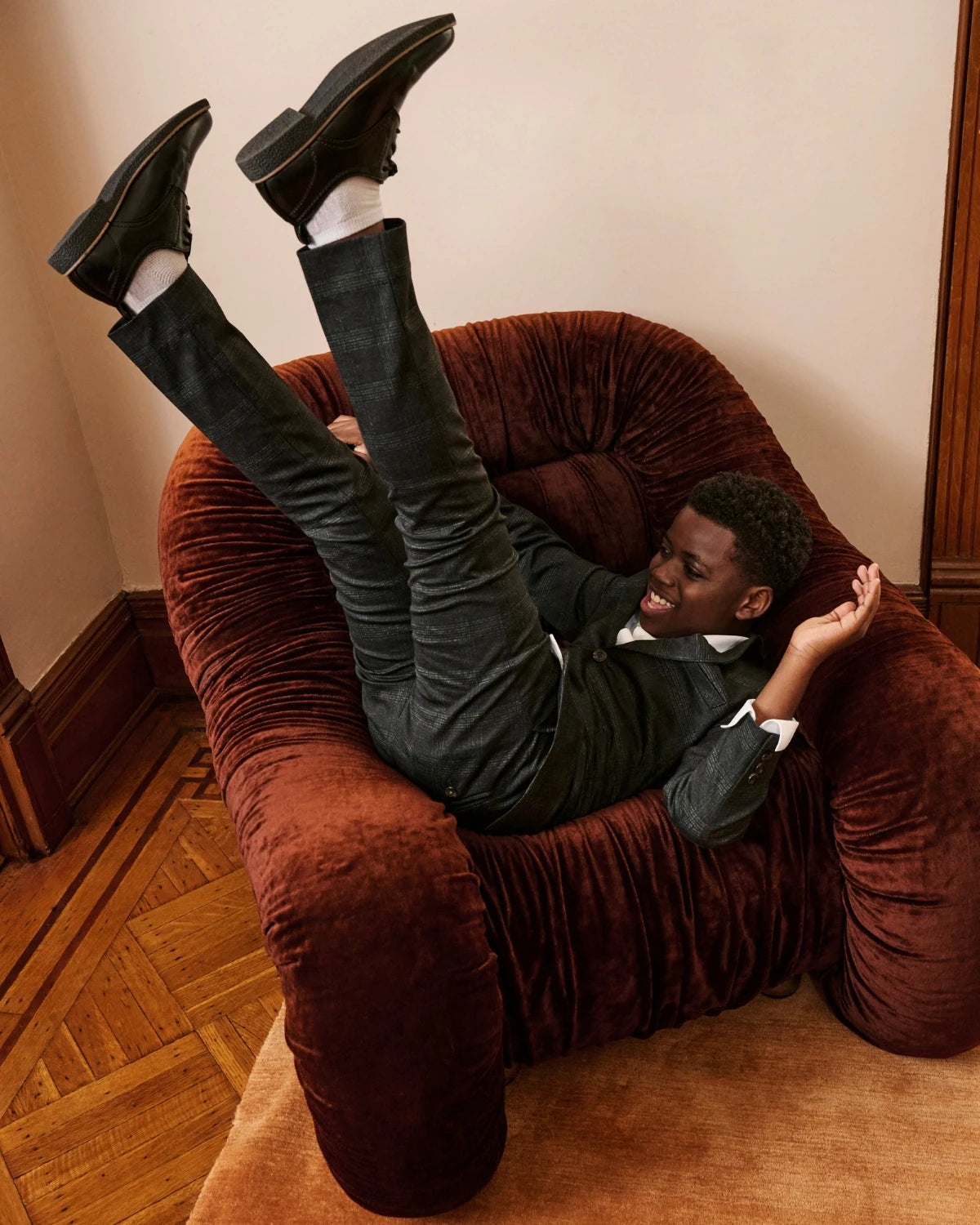
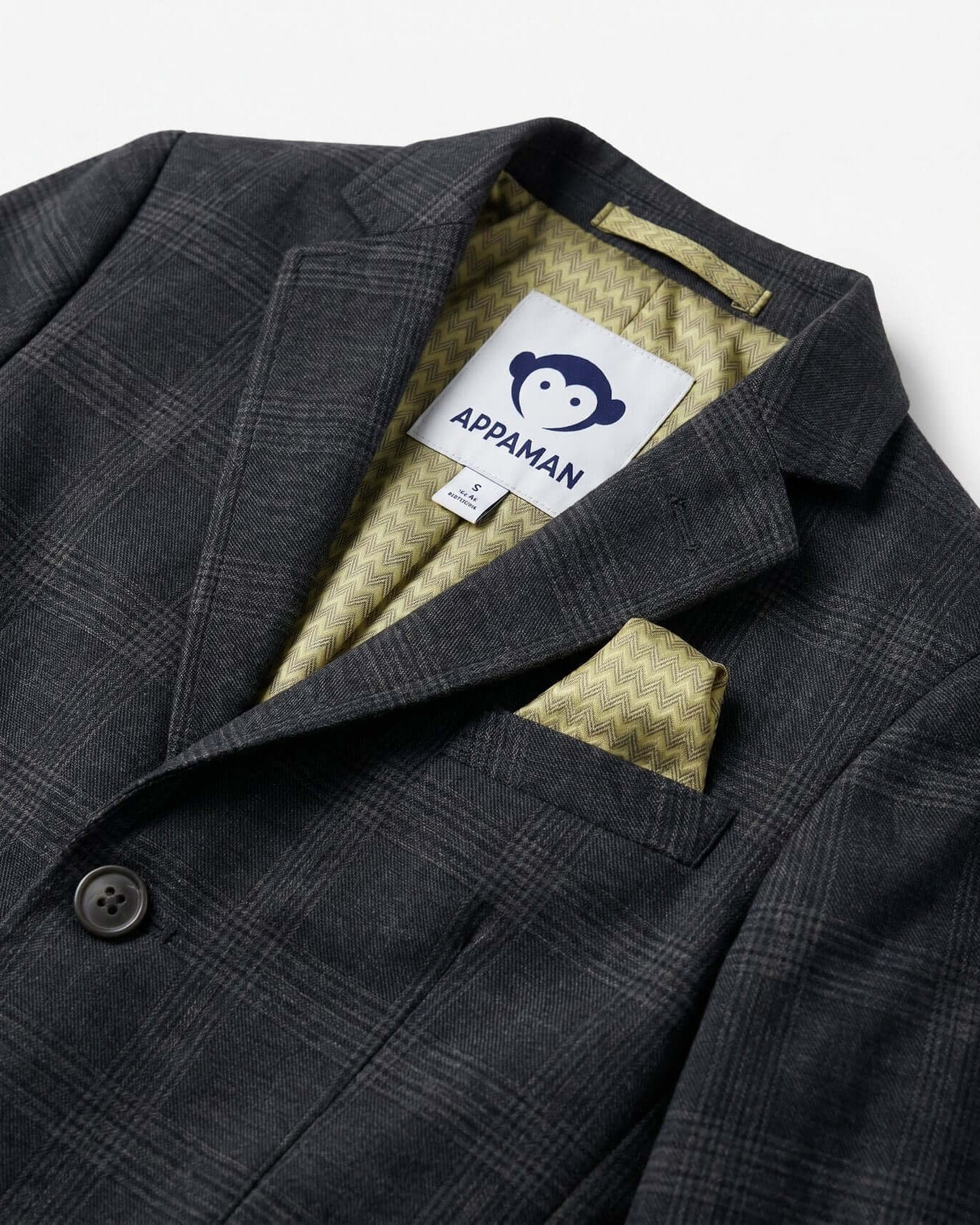
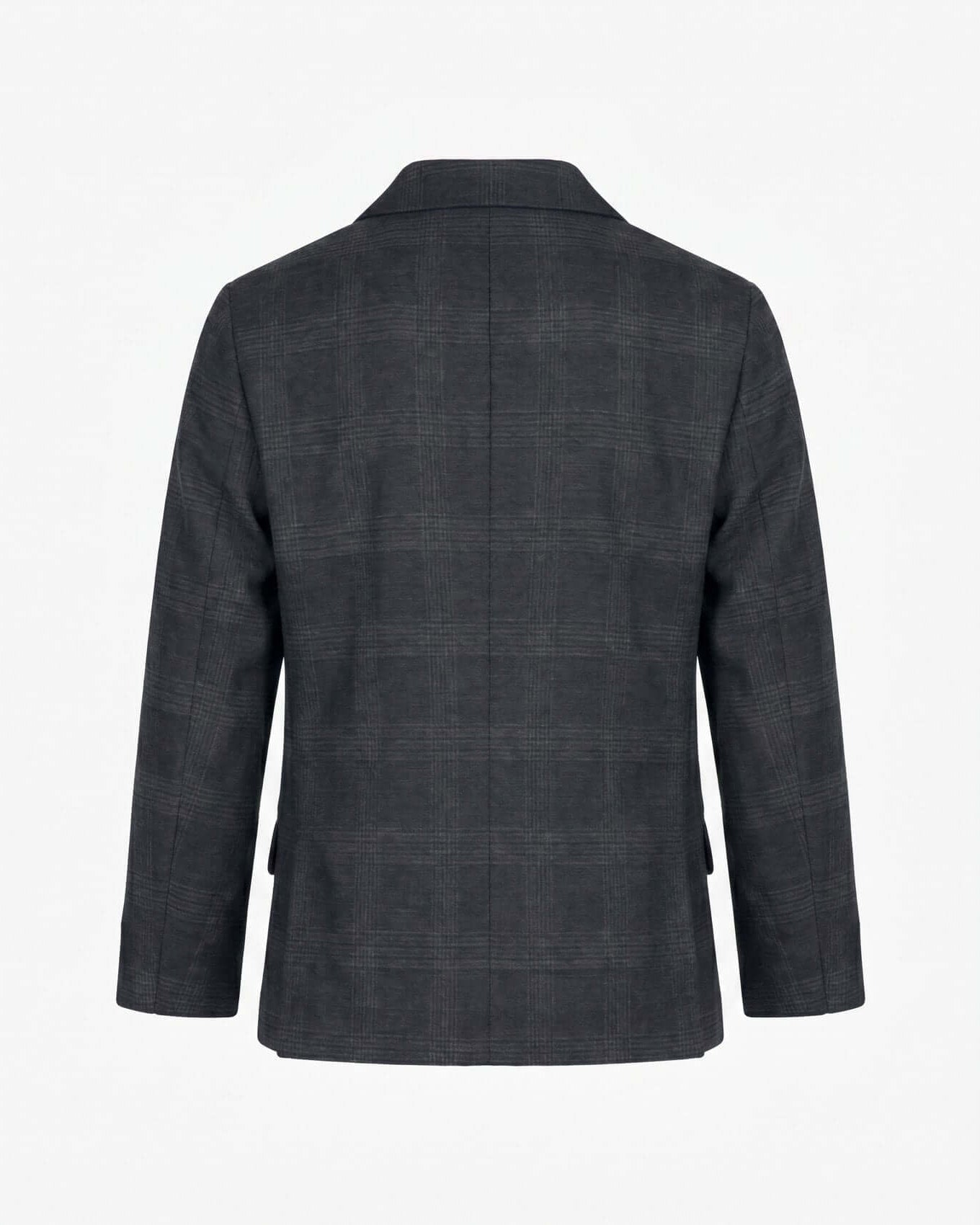
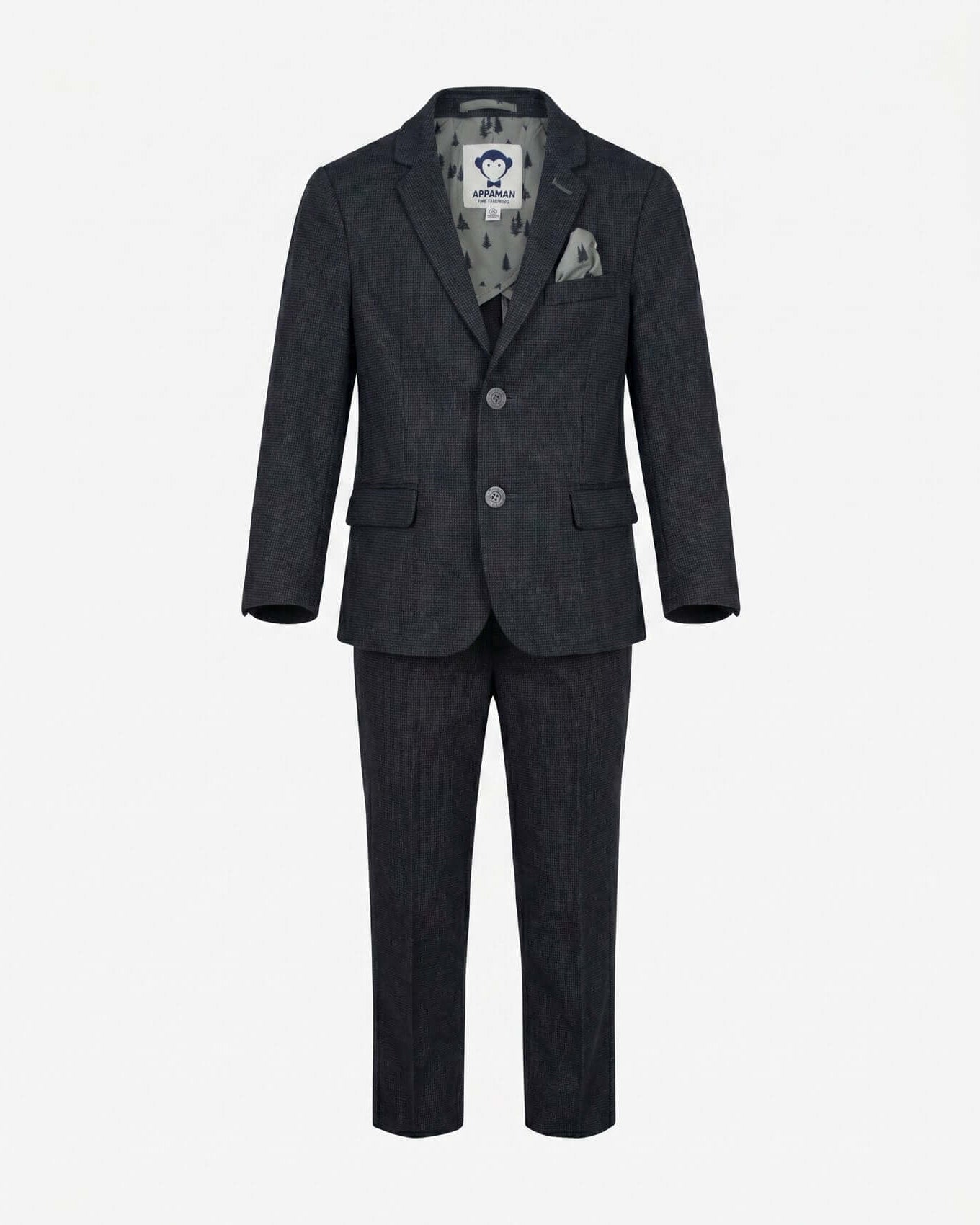
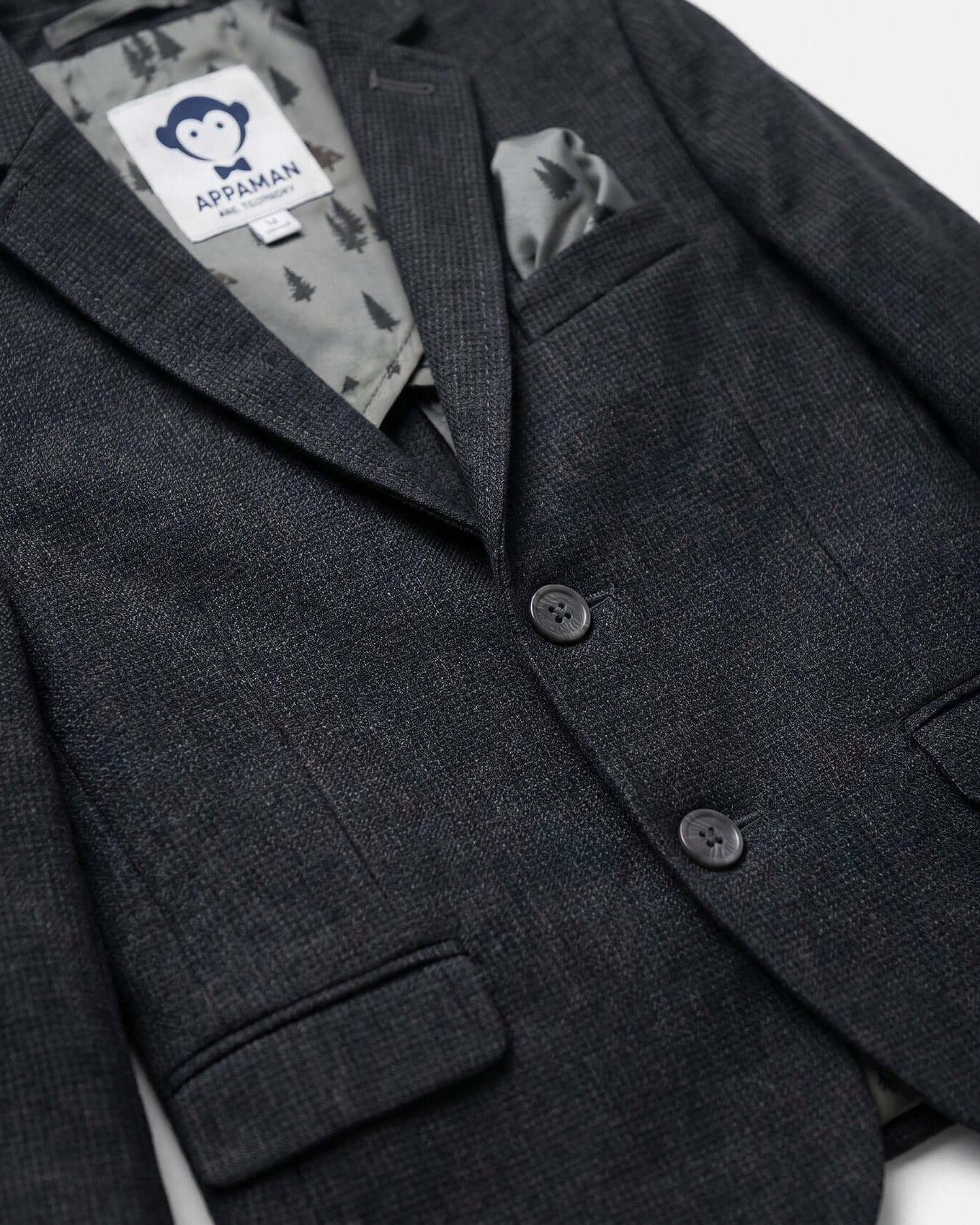
Shop Best Sellers in Suits








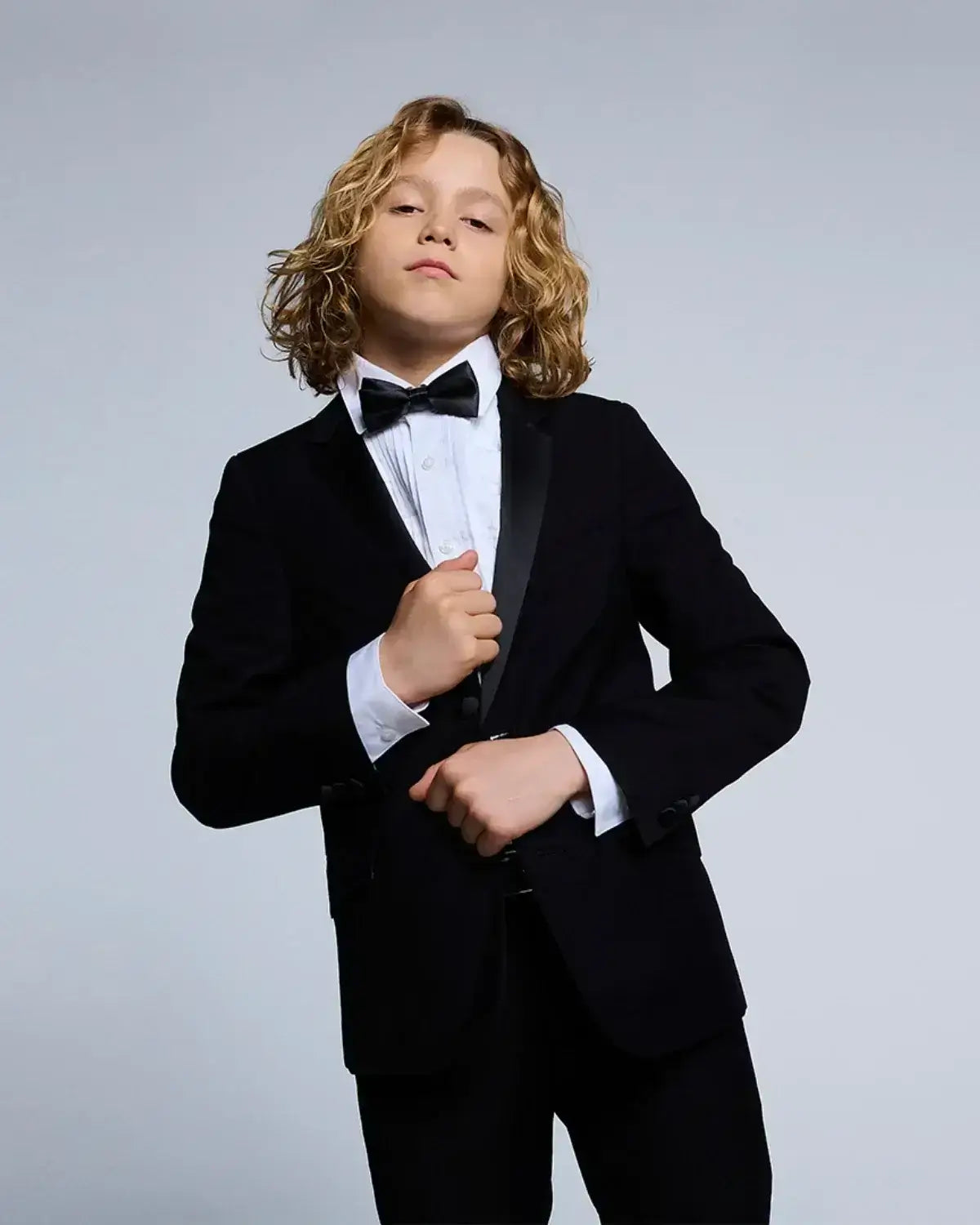
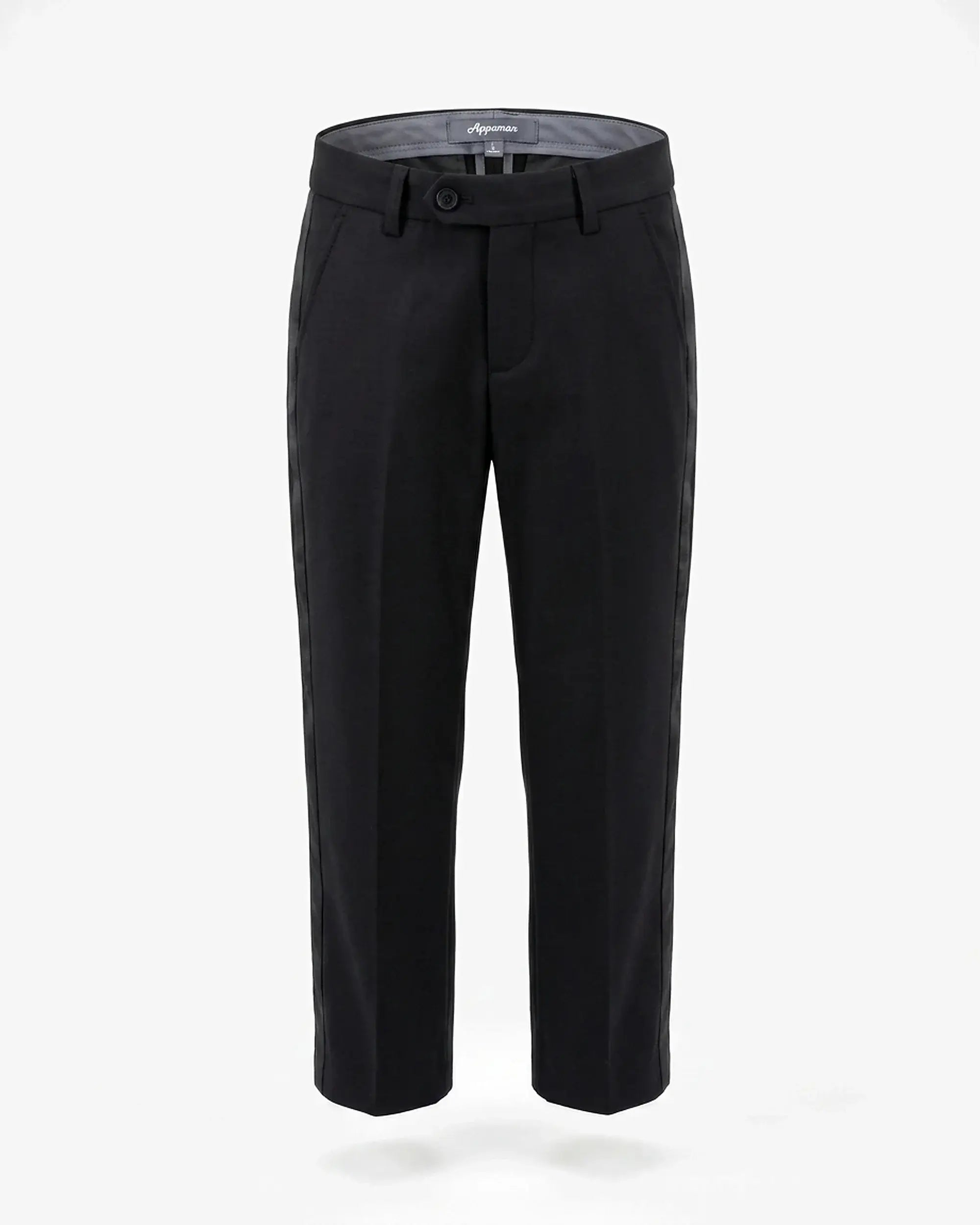
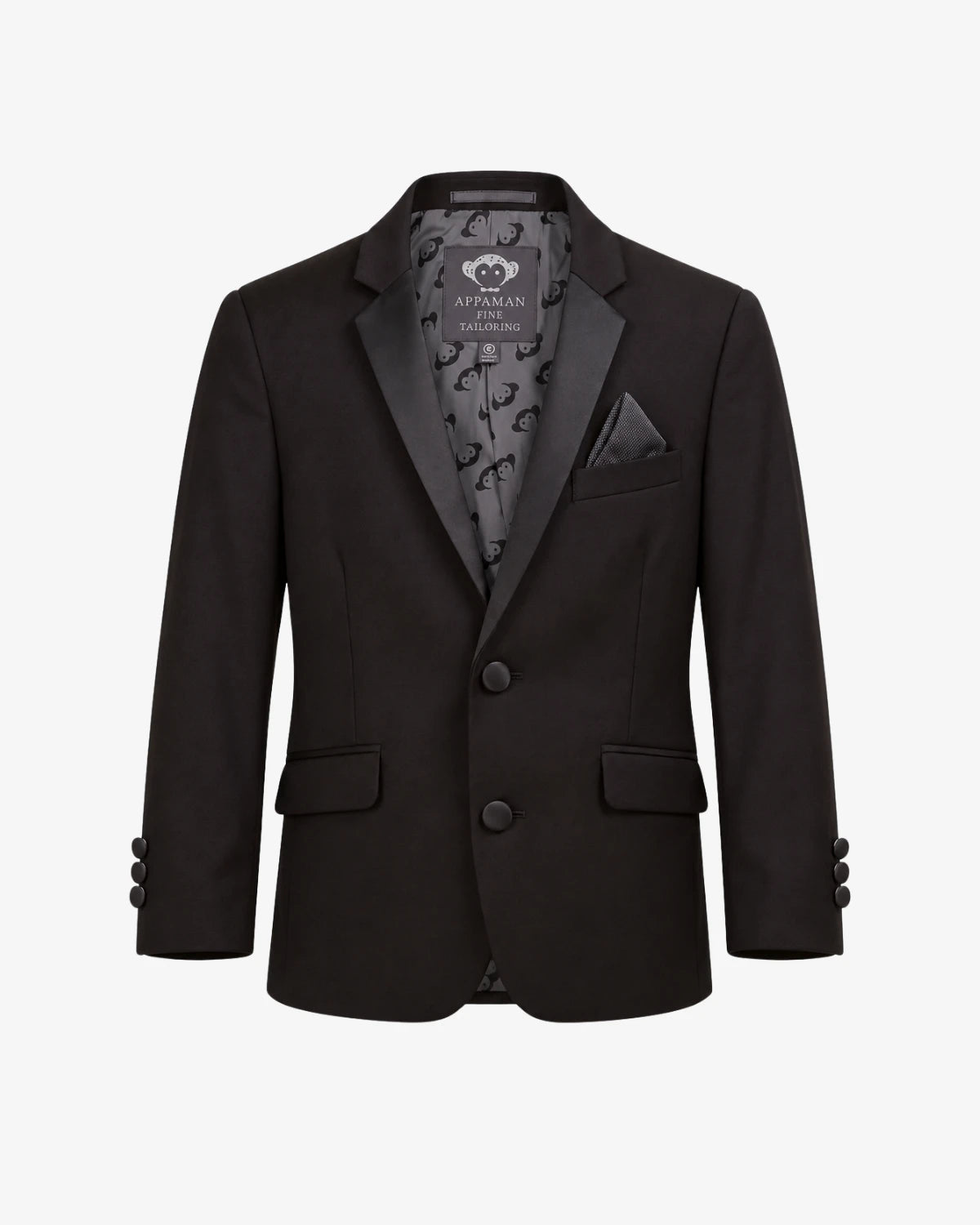
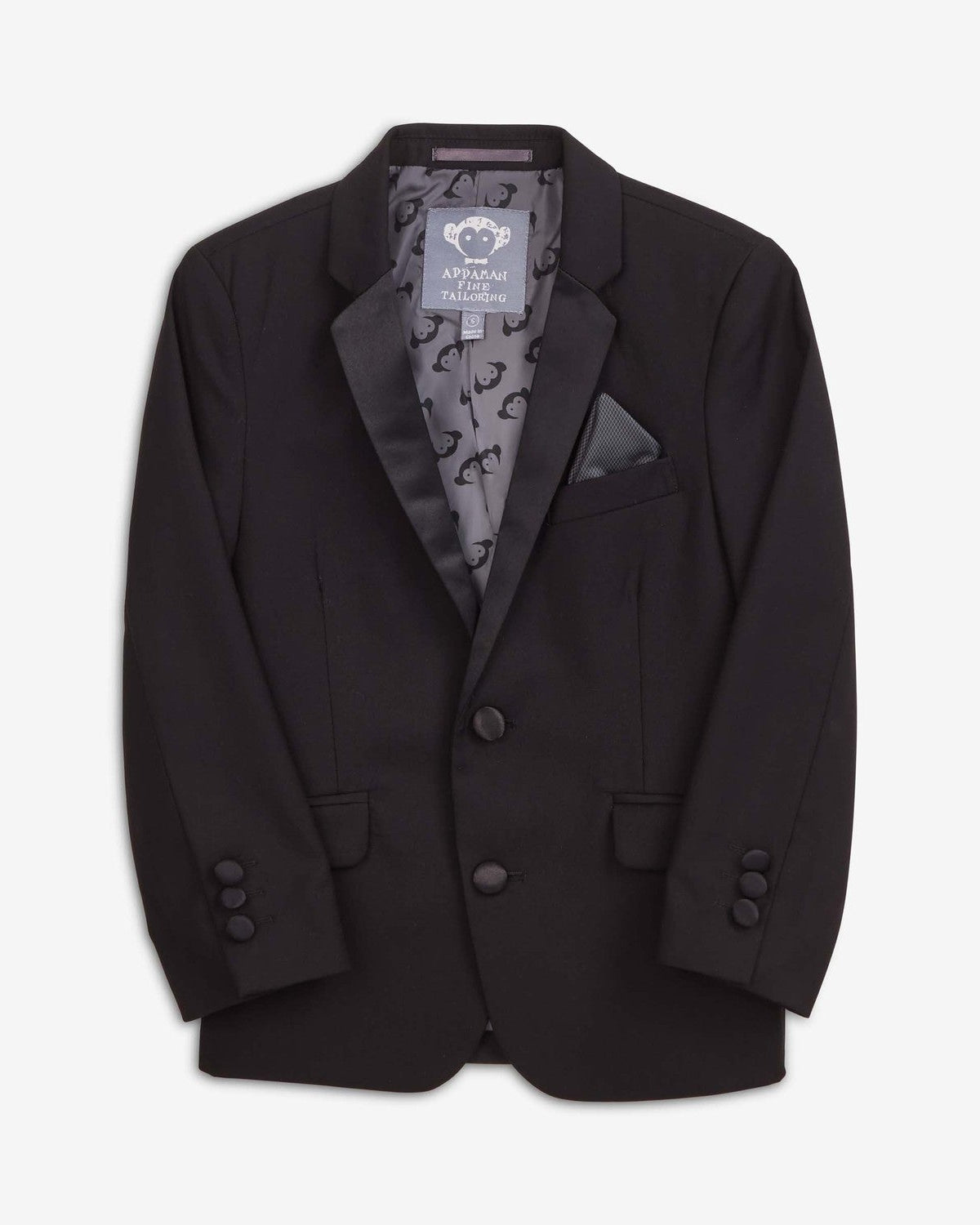
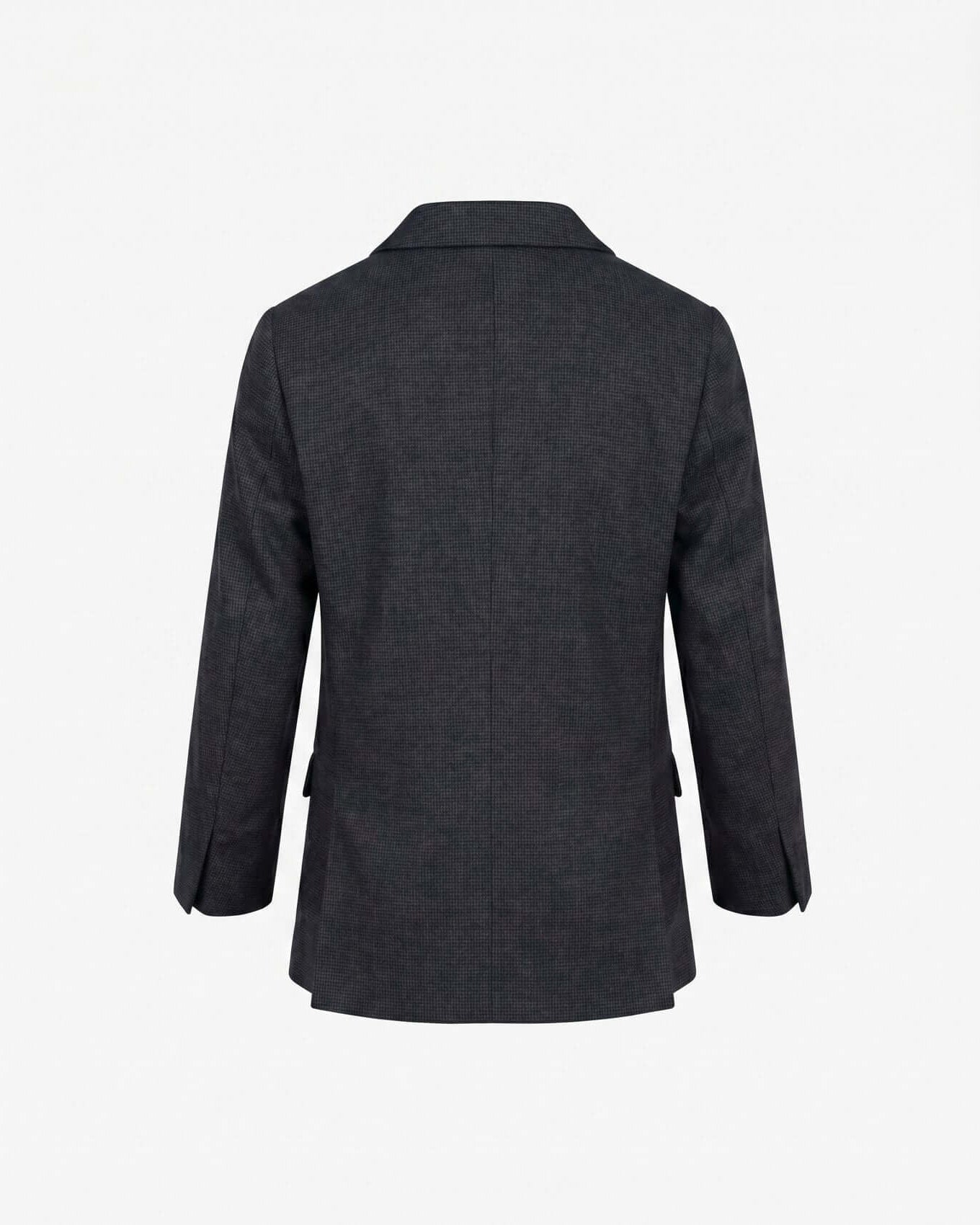
Boys Size Chart
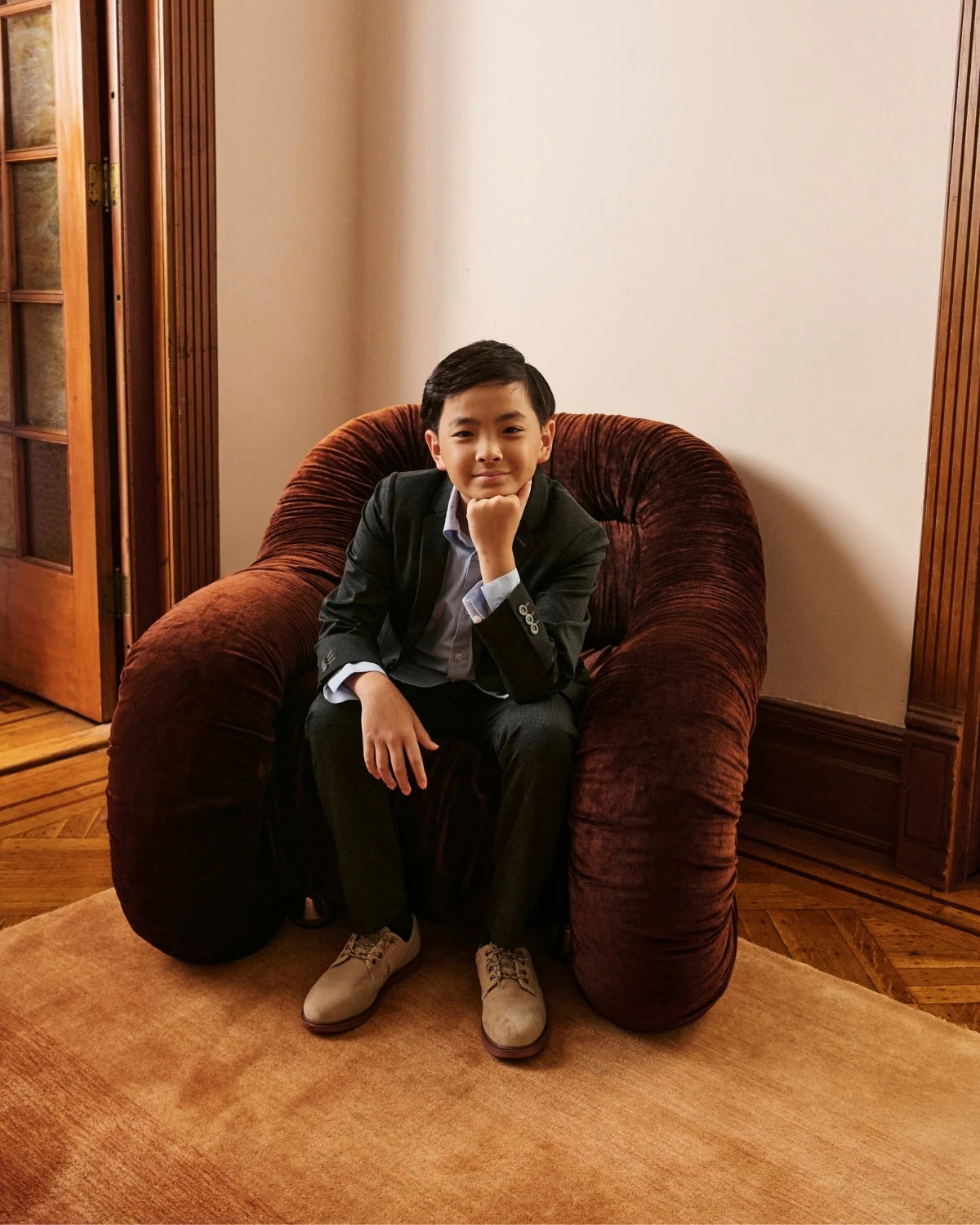
Our boys' clothing size chart takes the guesswork out of shopping, because growing kids deserve clothes that actually fit.
| Size | Height | Weight | Chest | Waist | Hip | Inseam |
|---|---|---|---|---|---|---|
| 2T | 33"–36" | 27–32 lbs | 21" | 18" | 22" | 13" |
| 3T | 36"–39" | 32–35 lbs | 22" | 19" | 23" | 14.5" |
| 4T | 39"–42" | 35–40 lbs | 23" | 20" | 24" | 16" |
| 5 | 42"–45" | 40–45 lbs | 24" | 21" | 25" | 17" |
| 6 | 45"–48" | 45–50 lbs | 25" | 22" | 26" | 19" |
| 7 | 48"–51" | 50–56 lbs | 26" | 23" | 27" | 20" |
| 8 | 51"–53" | 56–64 lbs | 27" | 24" | 28" | 22" |
| 10 | 53"–55" | 64–75 lbs | 28" | 25" | 29" | 24" |
| 12 | 55"–59" | 76–86 lbs | 29" | 26" | 30" | 26" |
| 14 | 59"–63" | 90–100 lbs | 31" | 27" | 32" | 28" |
| 16 | 63"–69" | 100–120 lbs | 33" | 28" | 34" | 30" |
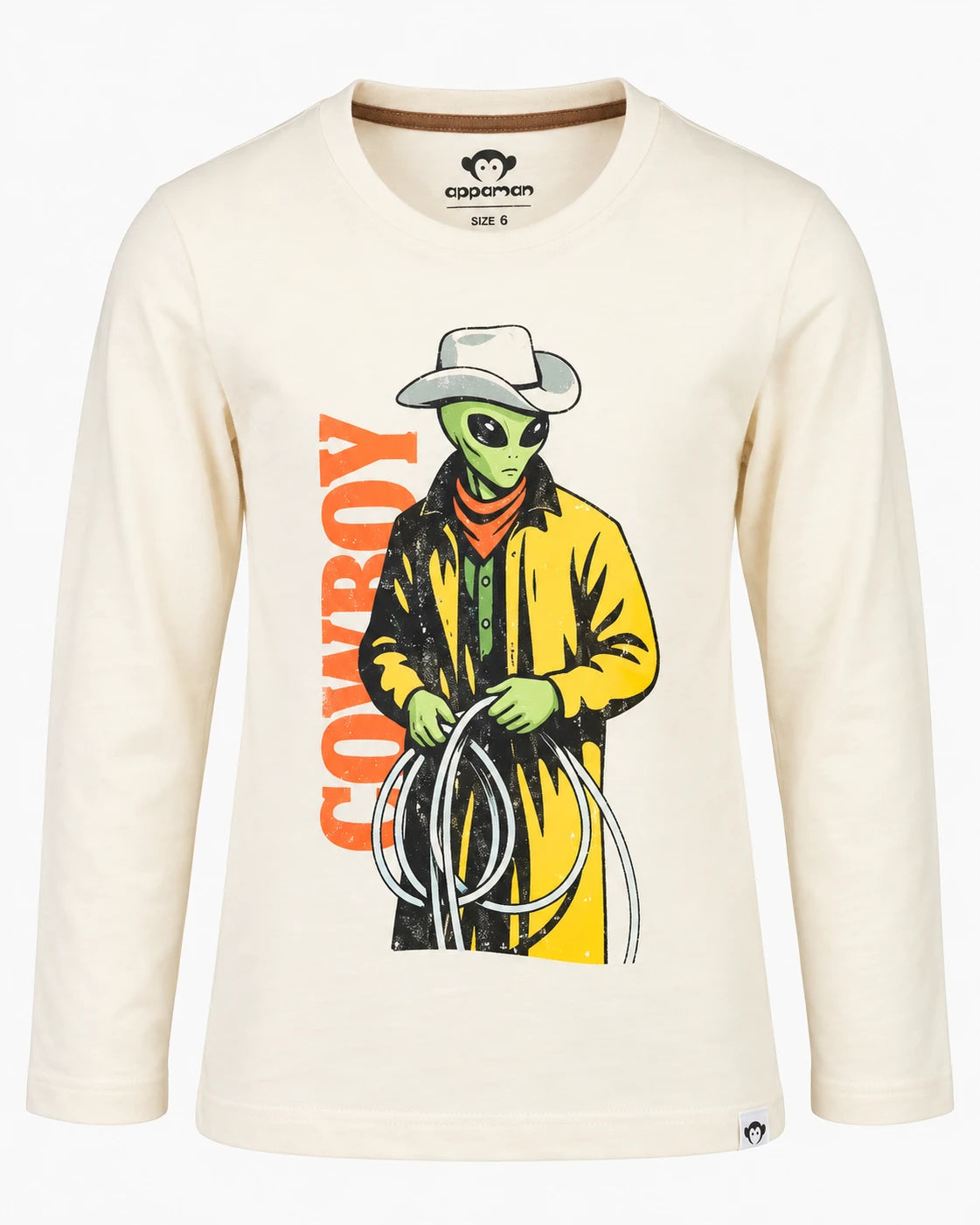
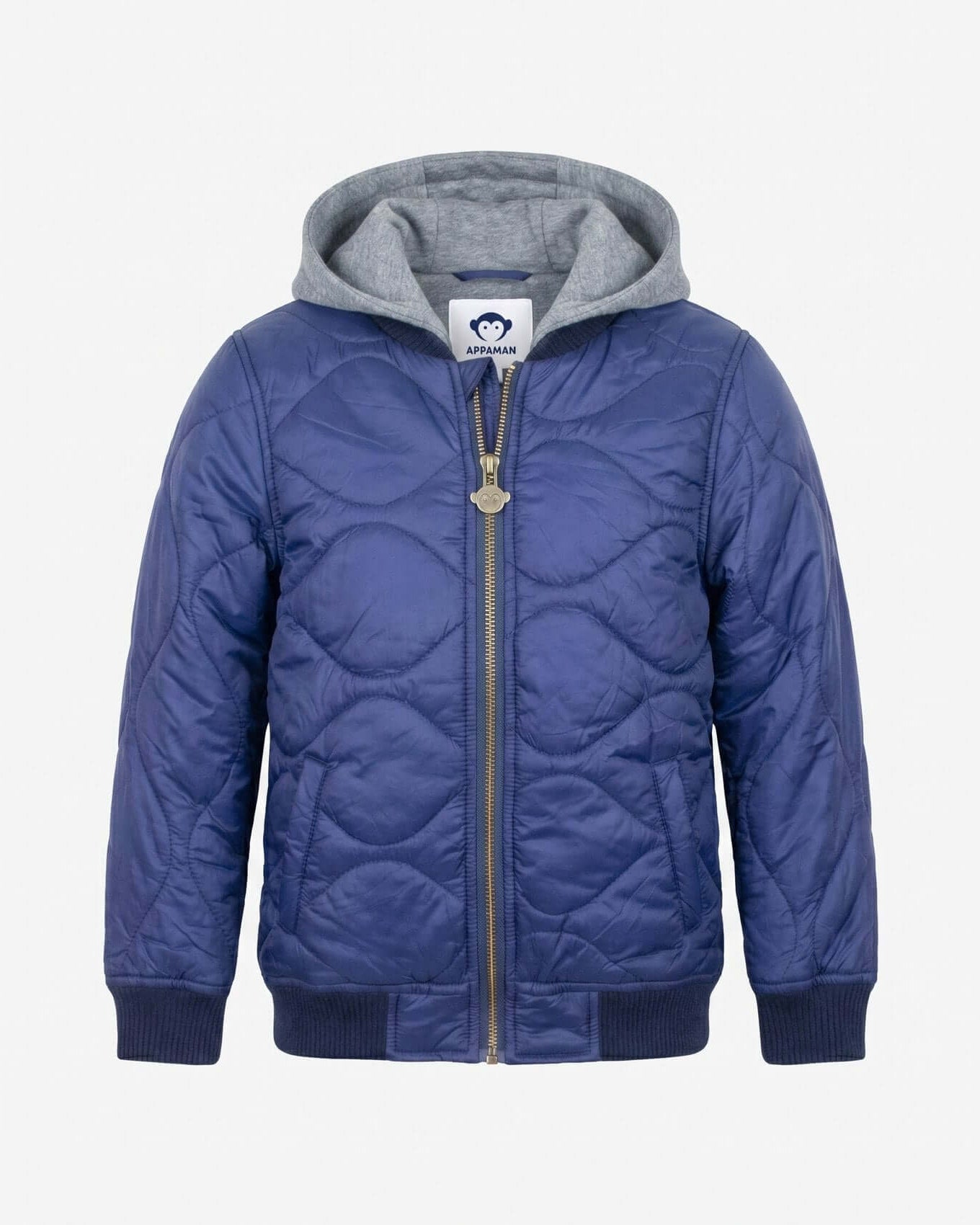
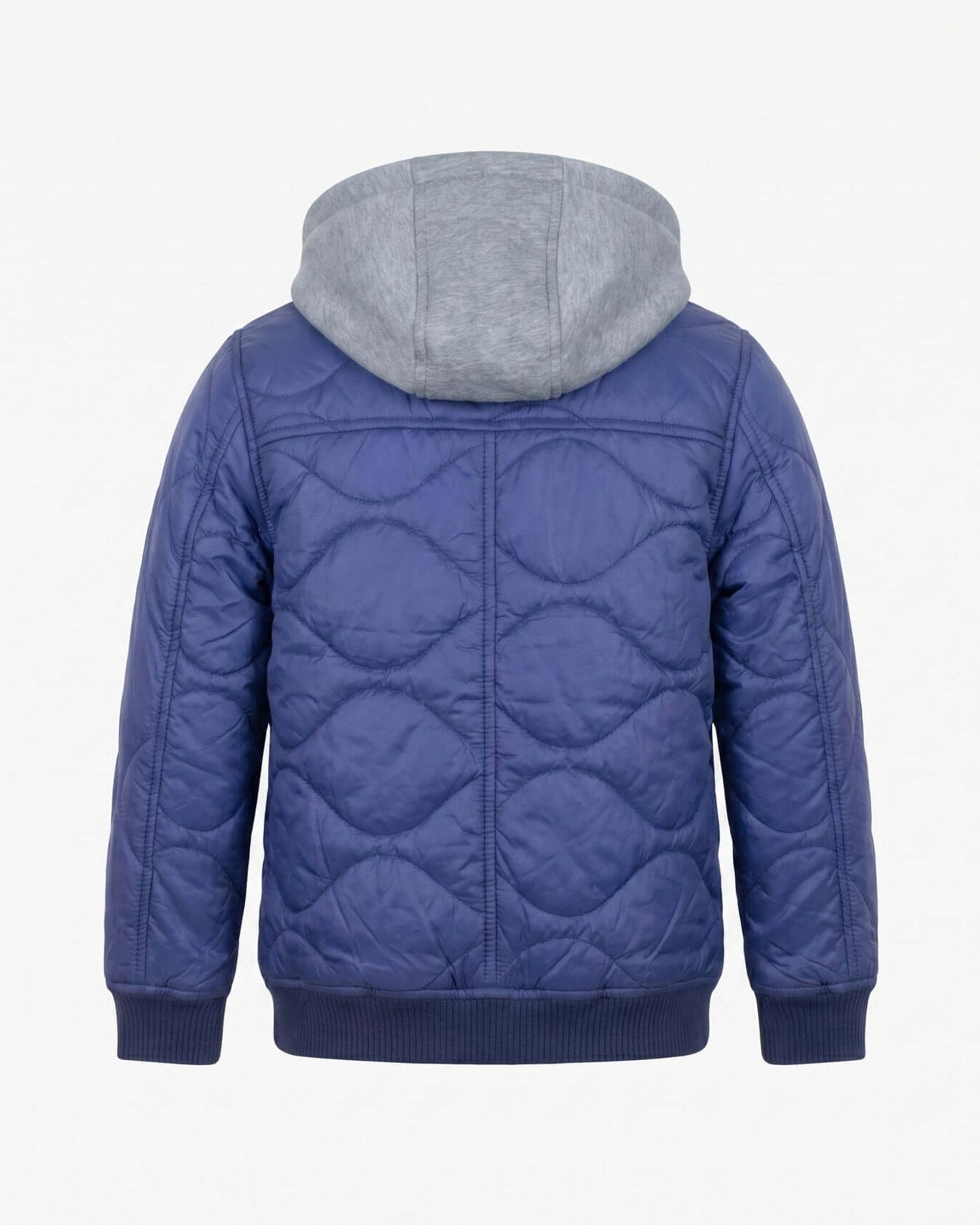
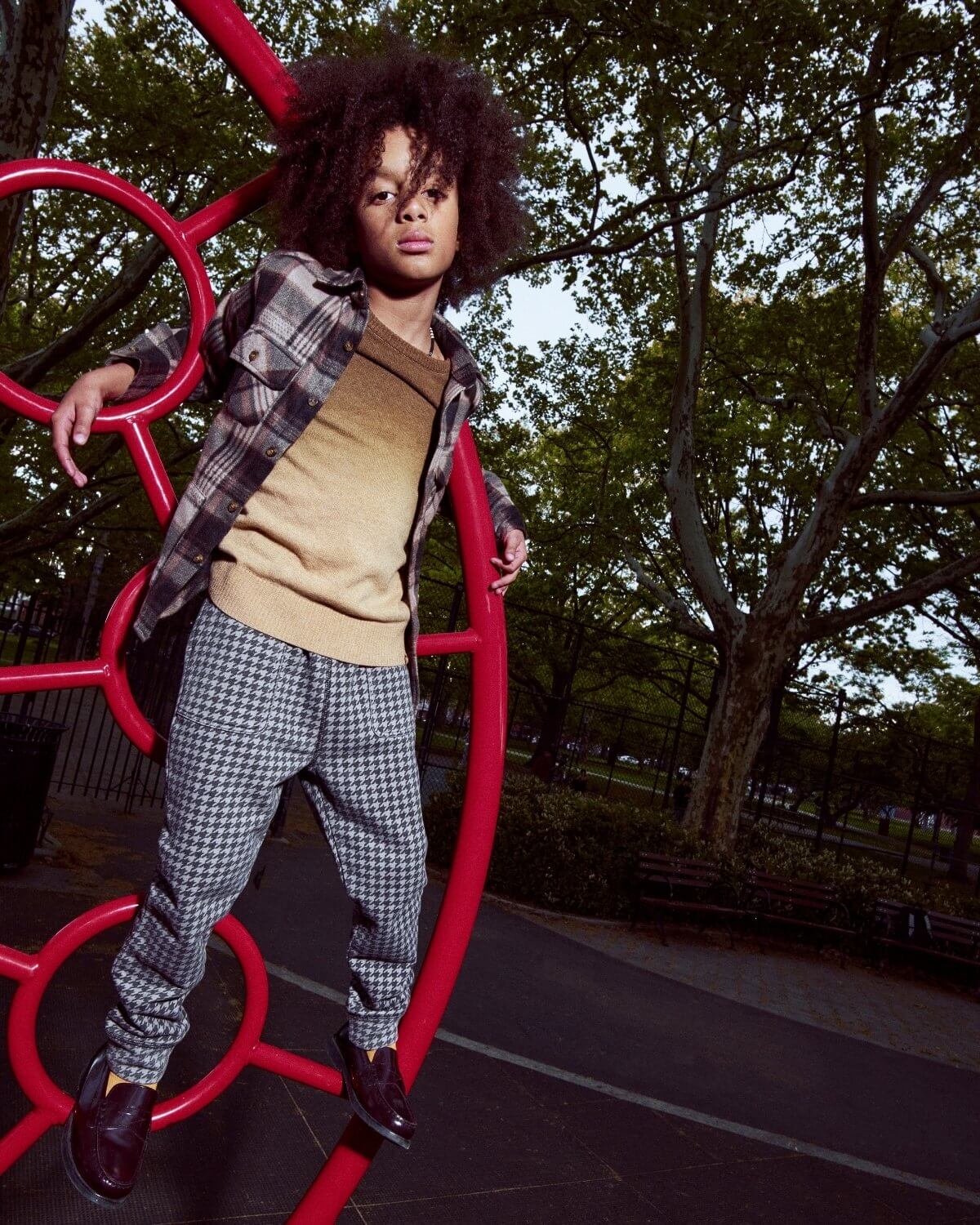
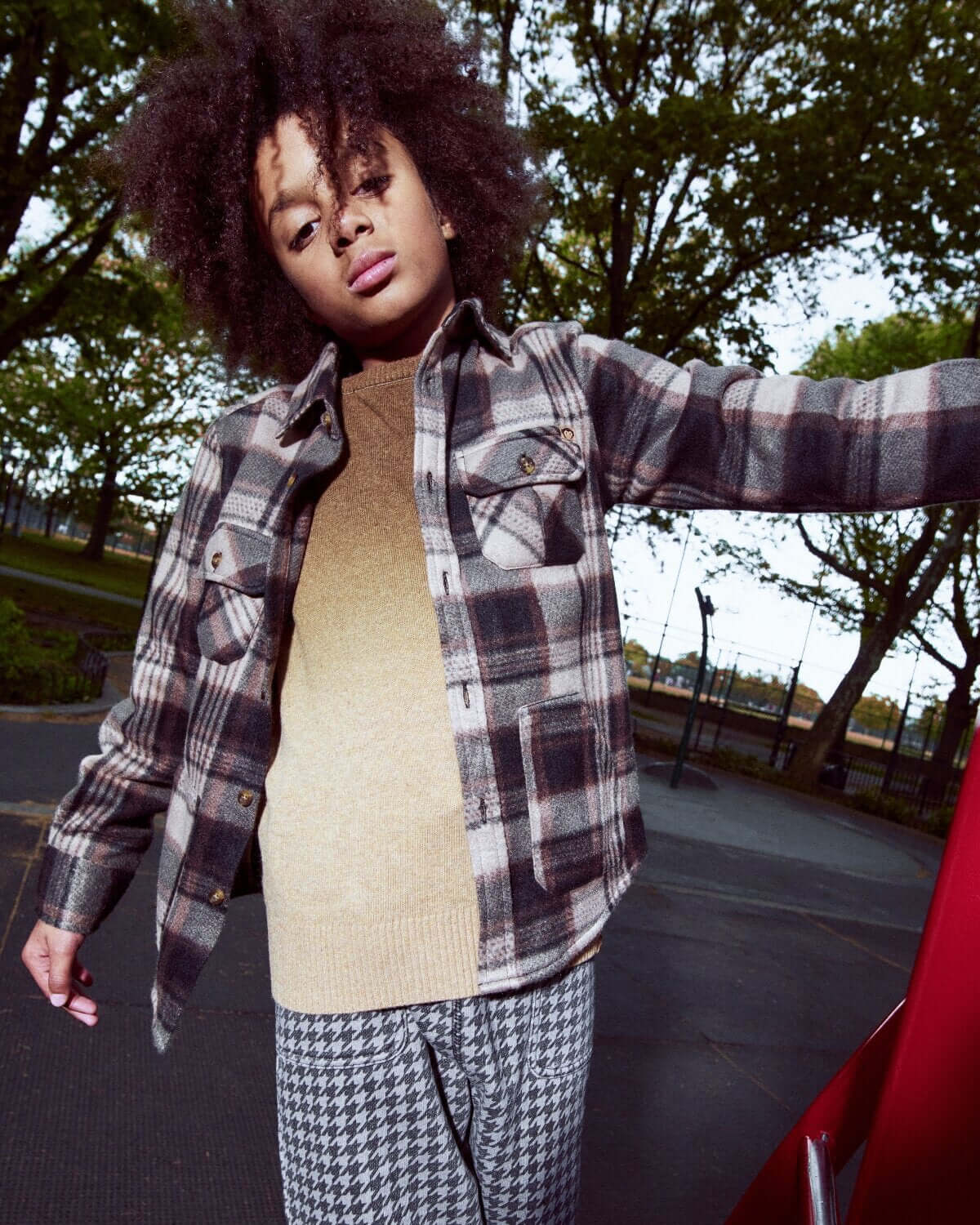
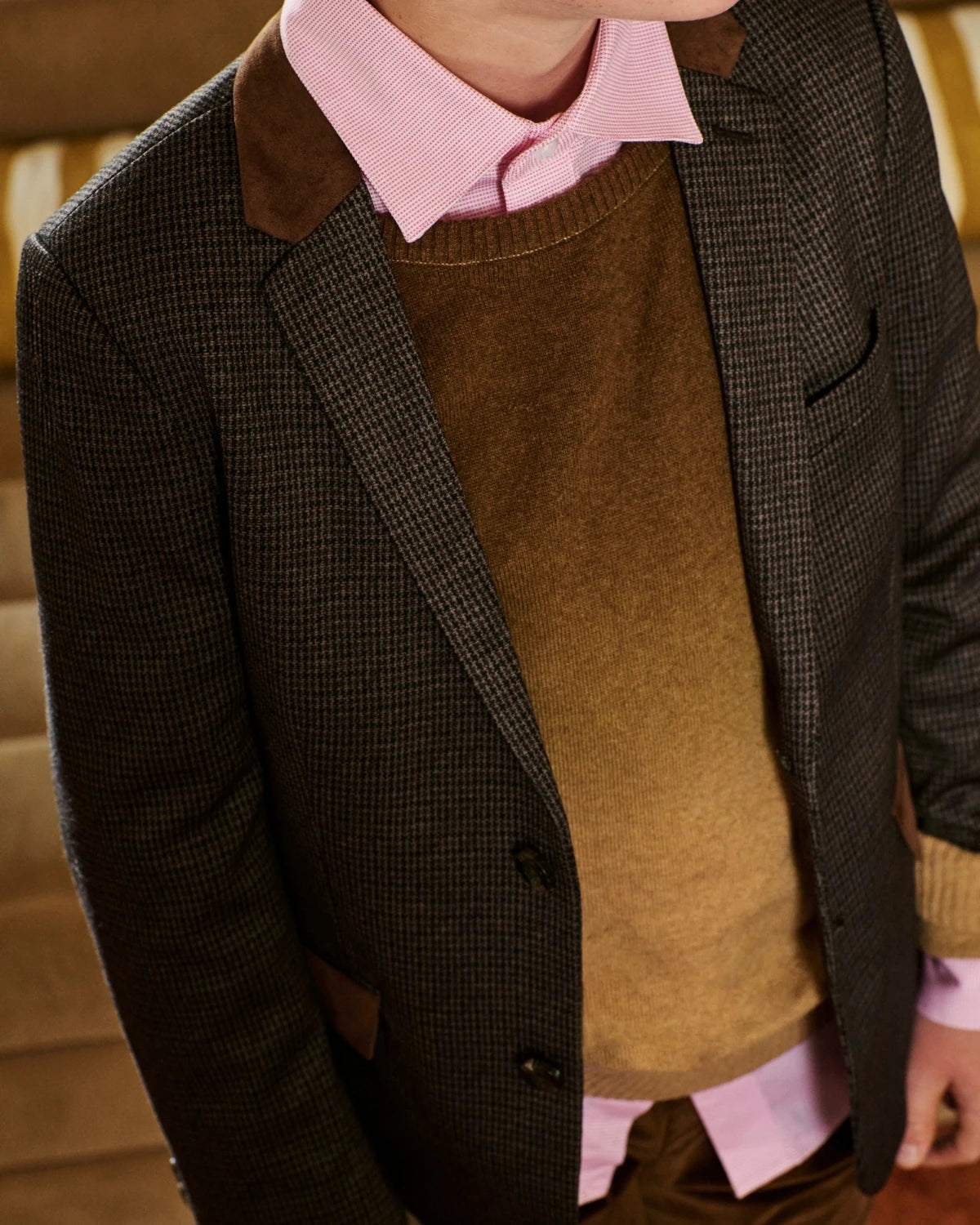
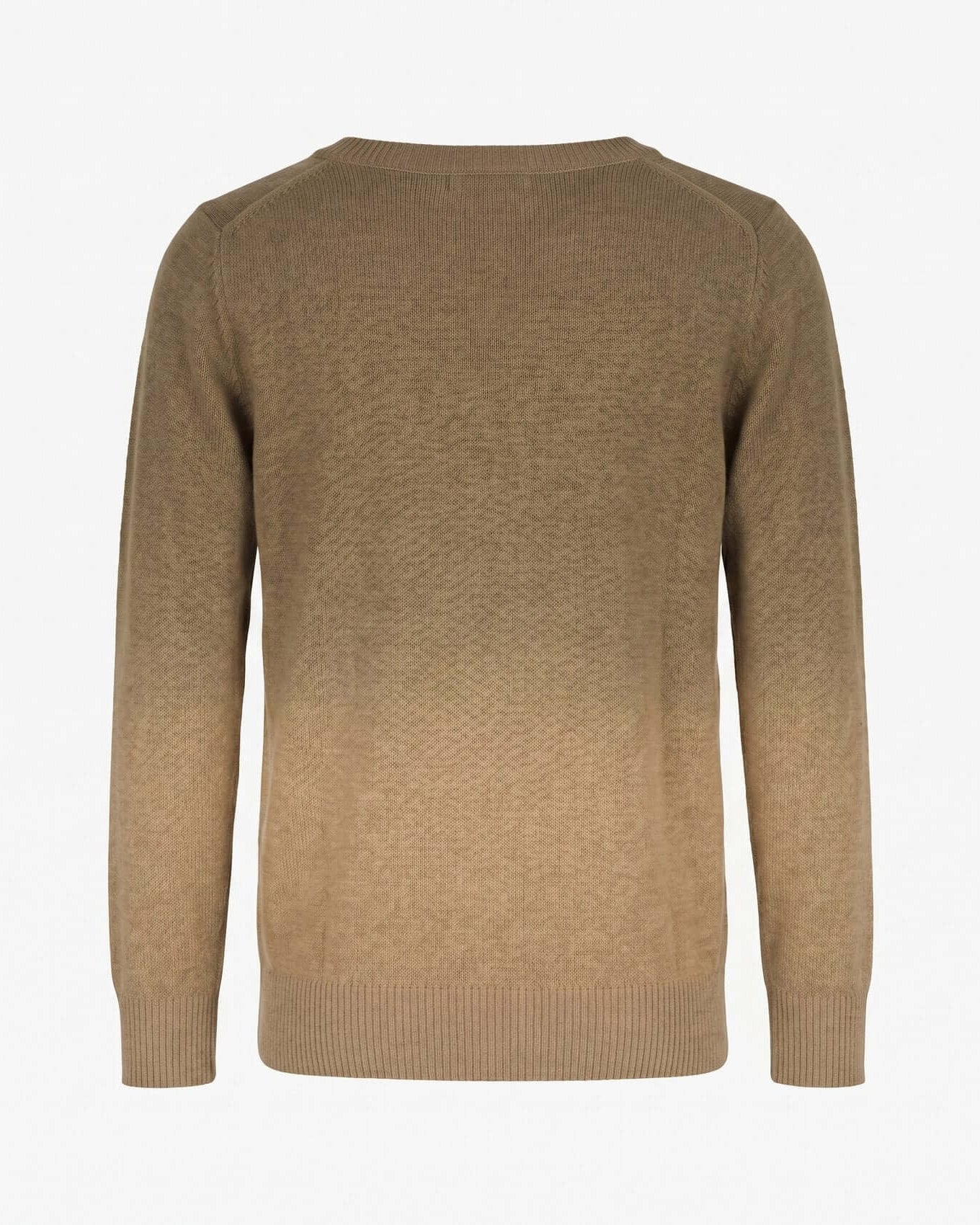
Girls Size Chart
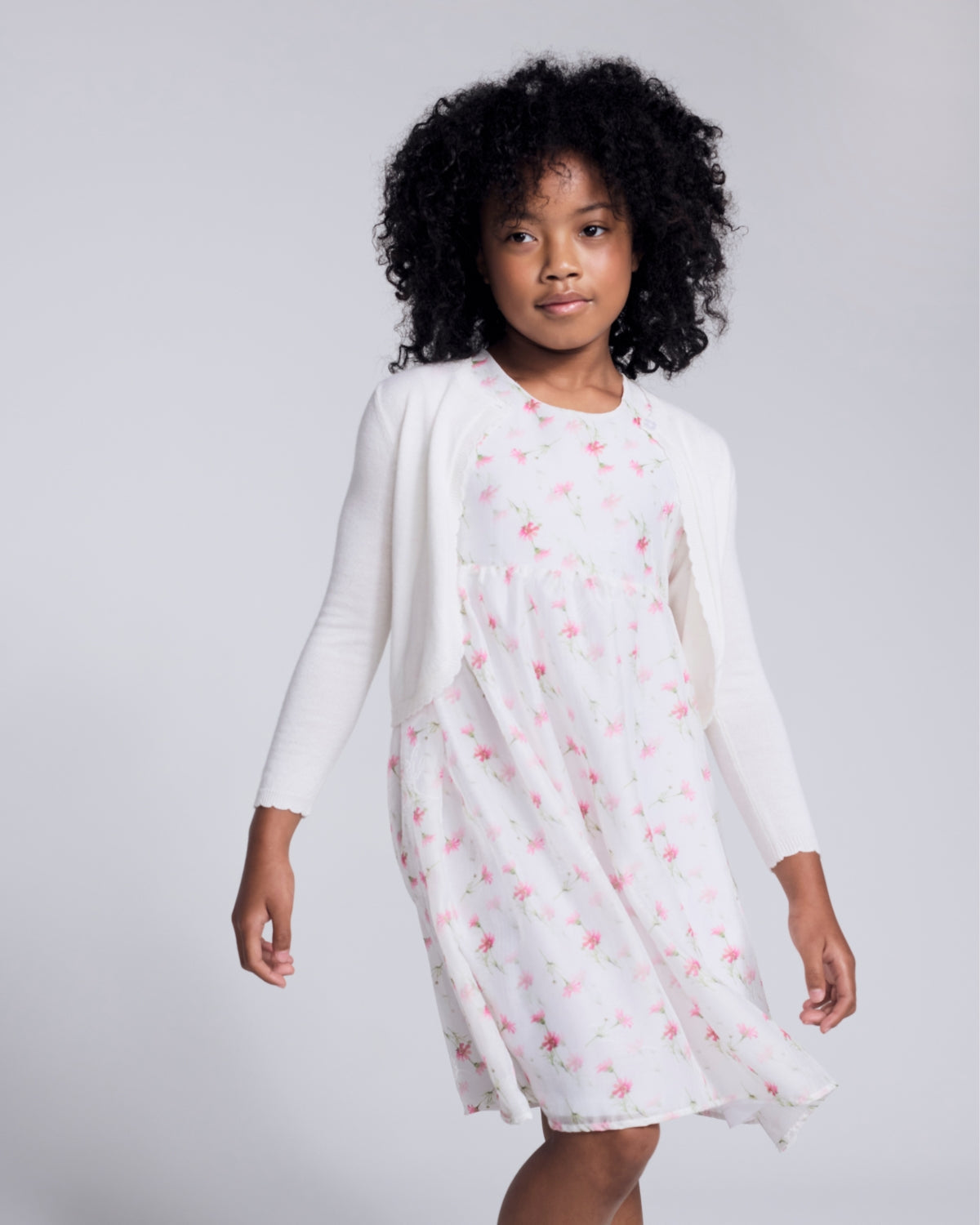
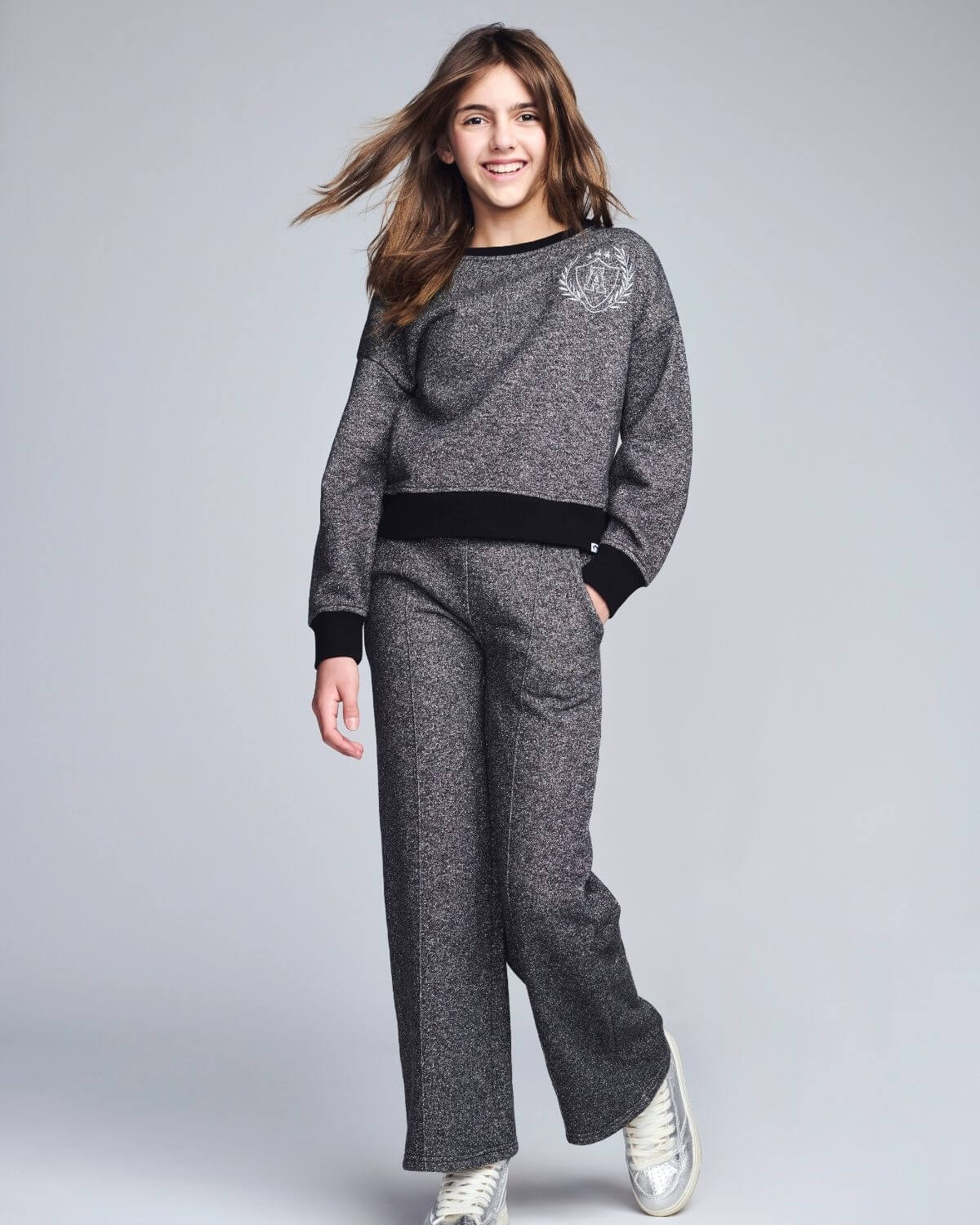
From playground to picture day, our girls' clothing size chart helps you find the just-right fit for every fierce and fabulous moment.
| Size | Height | Weight | Chest | Waist | Hip | Inseam |
|---|---|---|---|---|---|---|
| 2T | 33"–36" | 27–32 lbs | 21" | 18" | 22" | 13" |
| 3T | 36"–39" | 32–35 lbs | 22" | 19" | 23" | 14.5" |
| 4T | 39"–42" | 35–40 lbs | 23" | 20" | 24" | 16" |
| 5 | 42"–45" | 40–45 lbs | 24" | 21" | 25" | 17" |
| 6 | 45"–48" | 45–50 lbs | 25" | 22" | 26" | 19" |
| 7 | 48"–51" | 50–56 lbs | 26" | 23" | 27" | 20" |
| 8 | 51"–53" | 56–64 lbs | 27" | 24" | 28" | 22" |
| 10 | 53"–55" | 64–75 lbs | 28" | 25" | 29" | 24" |
| 12 | 55"–59" | 76–86 lbs | 29" | 26" | 30" | 26" |
| 14 | 59"–63" | 90–100 lbs | 31" | 27" | 32" | 28" |
| 16 | 63"–69" | 100–120 lbs | 33" | 28" | 34" | 30" |
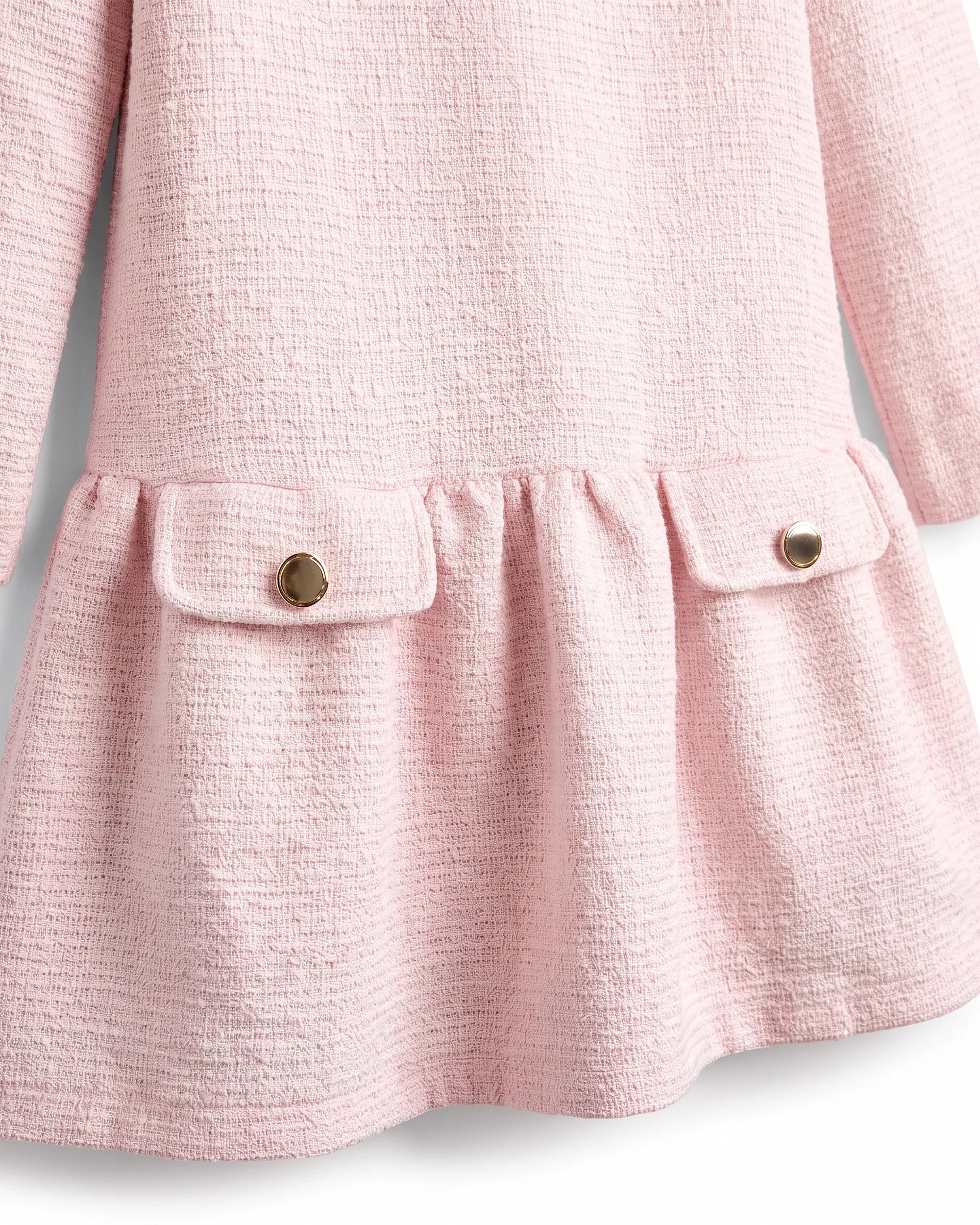
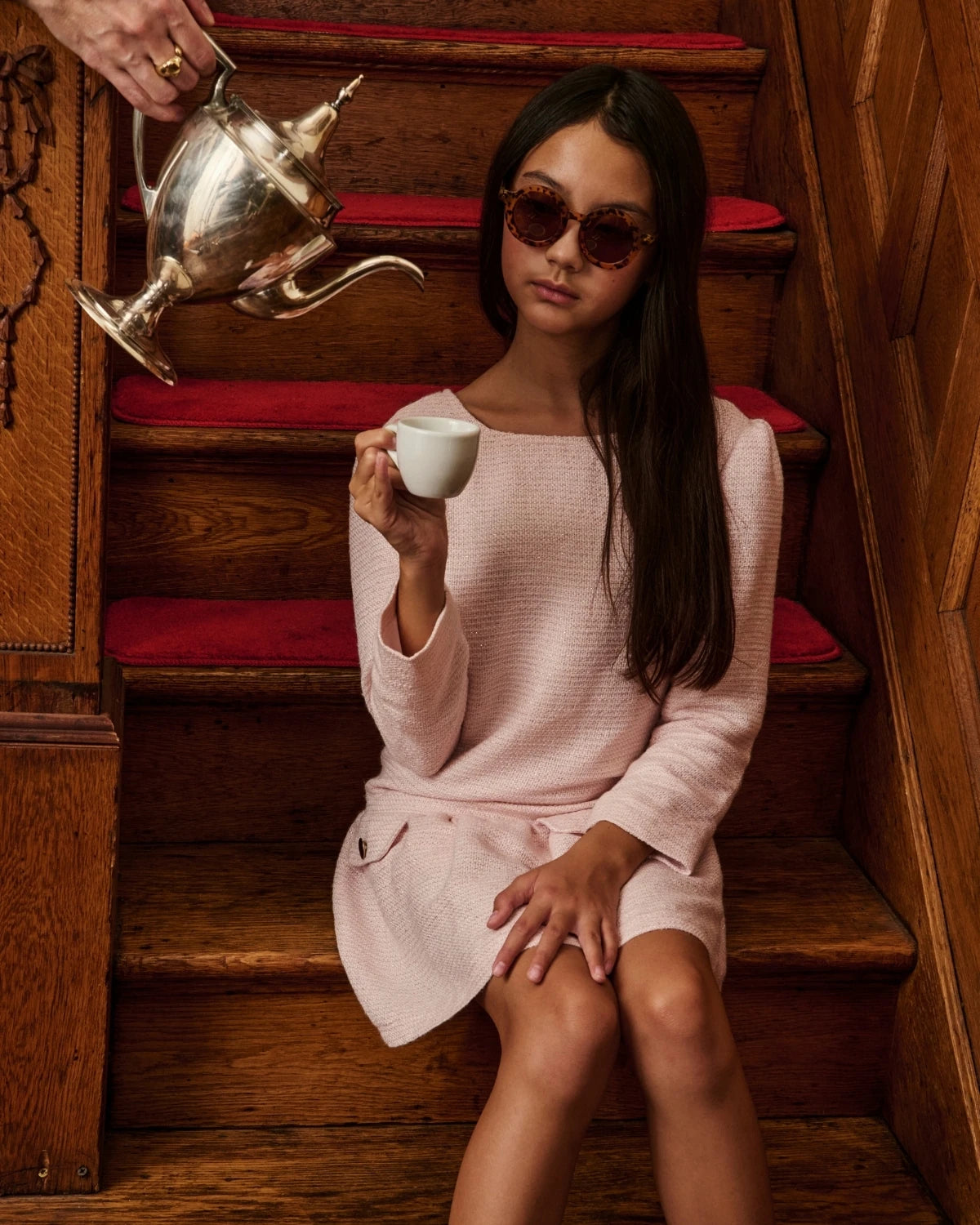
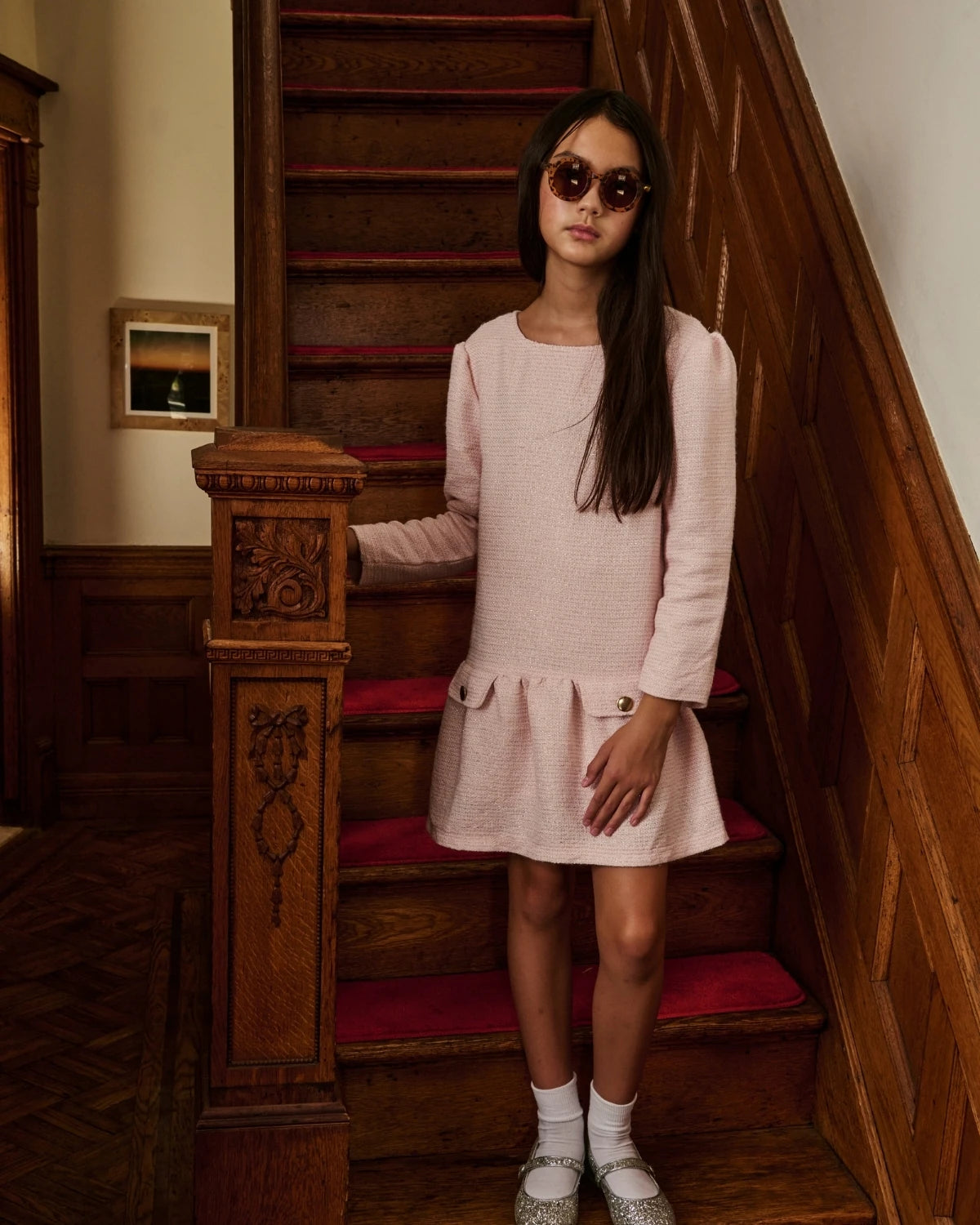
Shop Girls New Arrivals
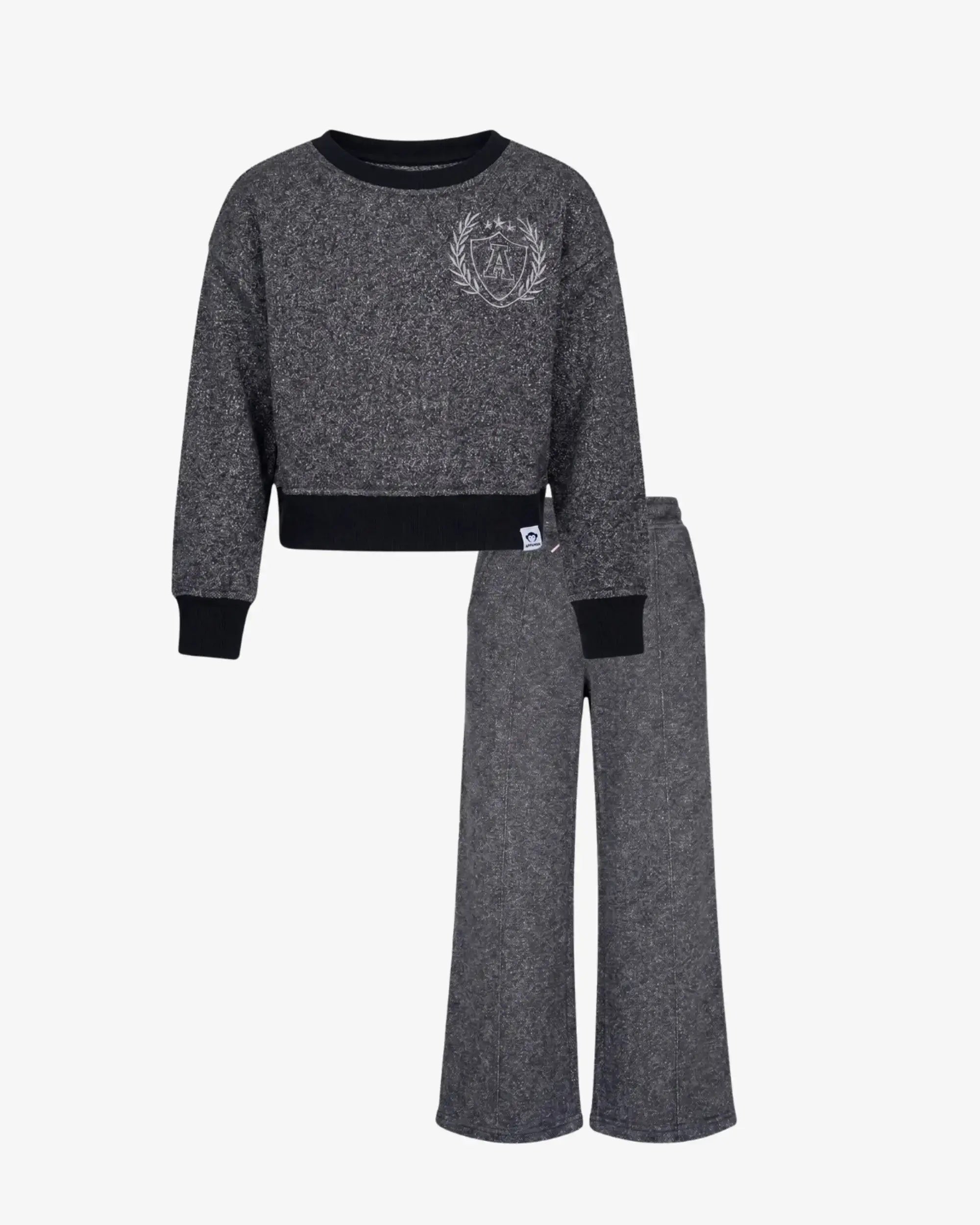
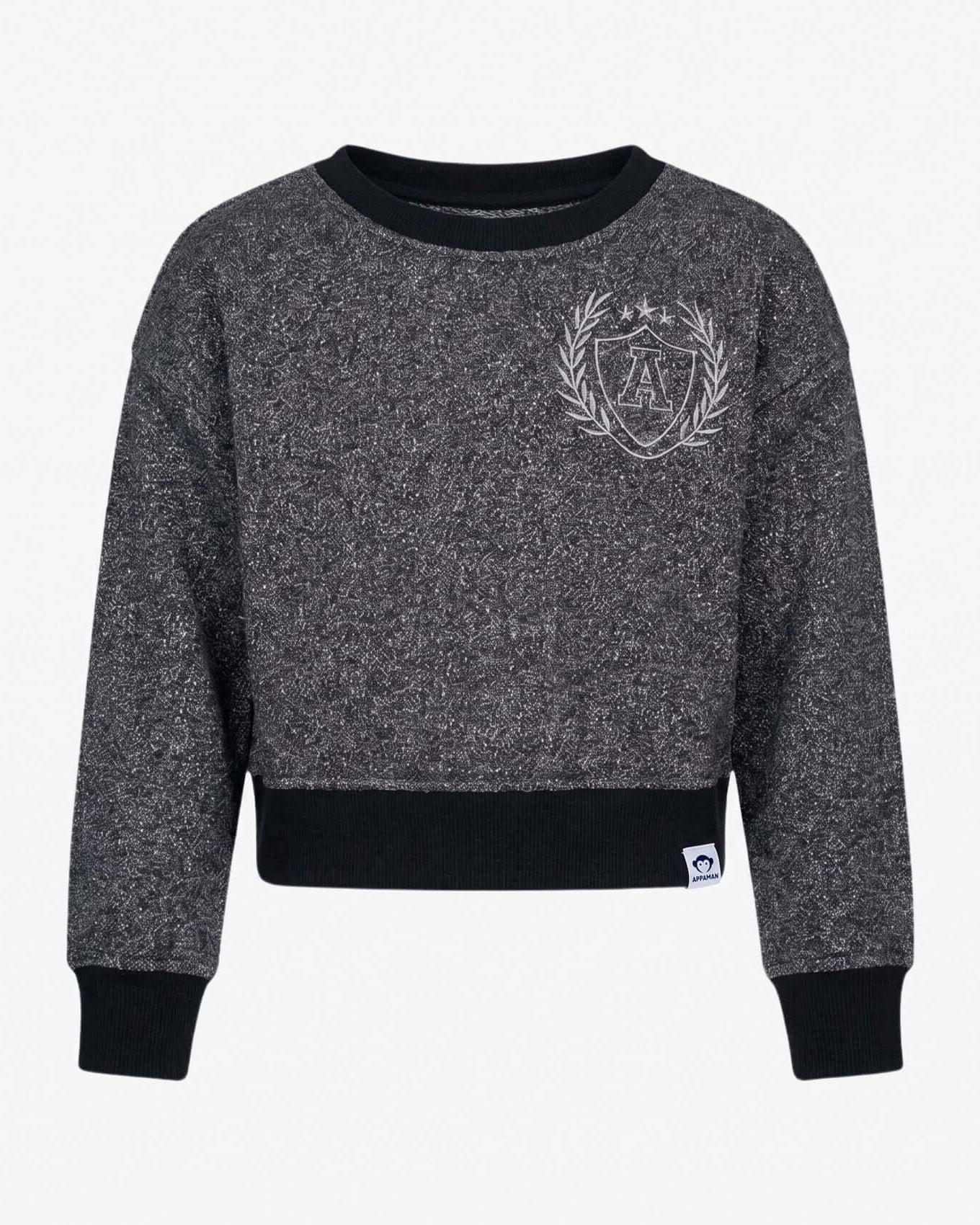
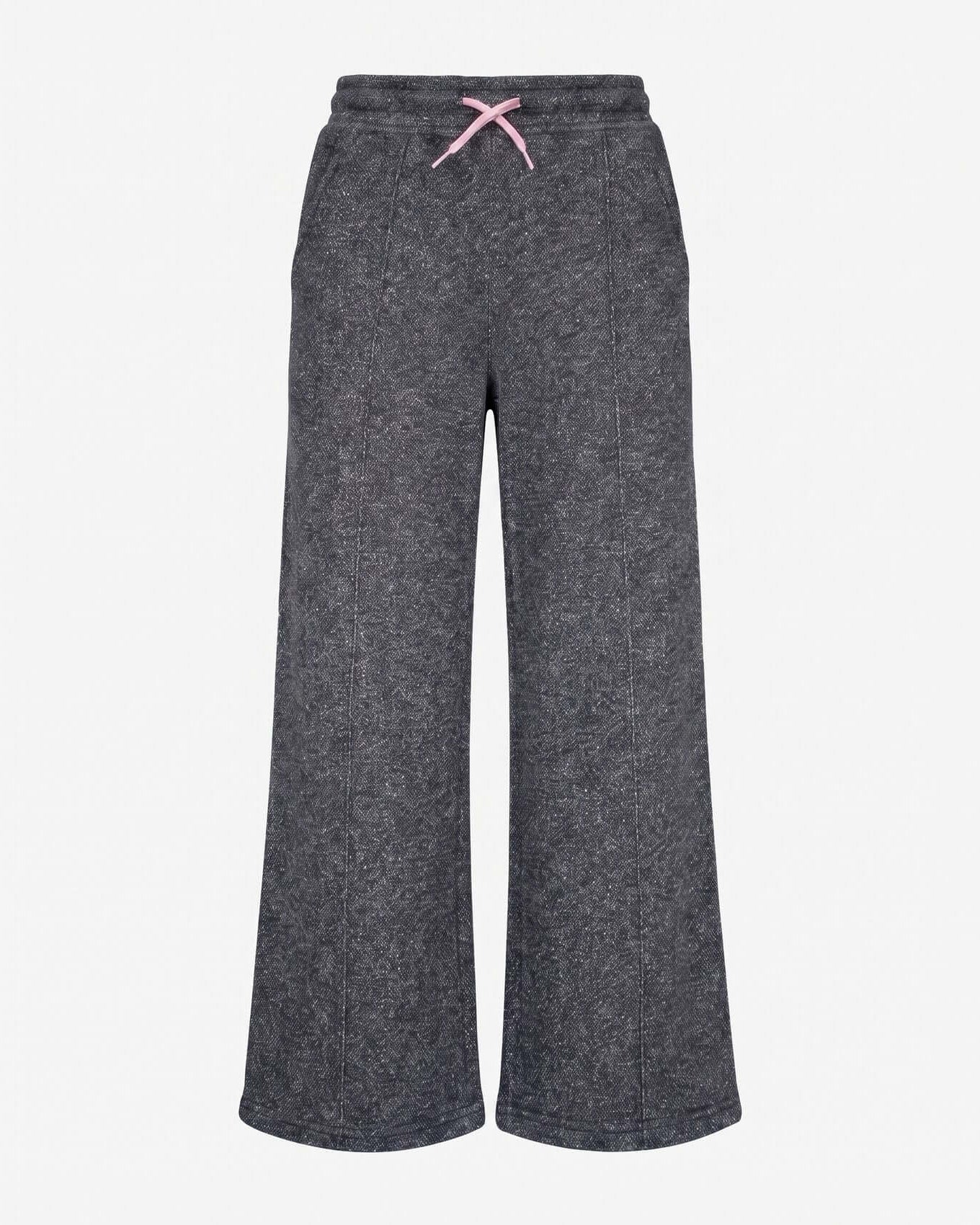
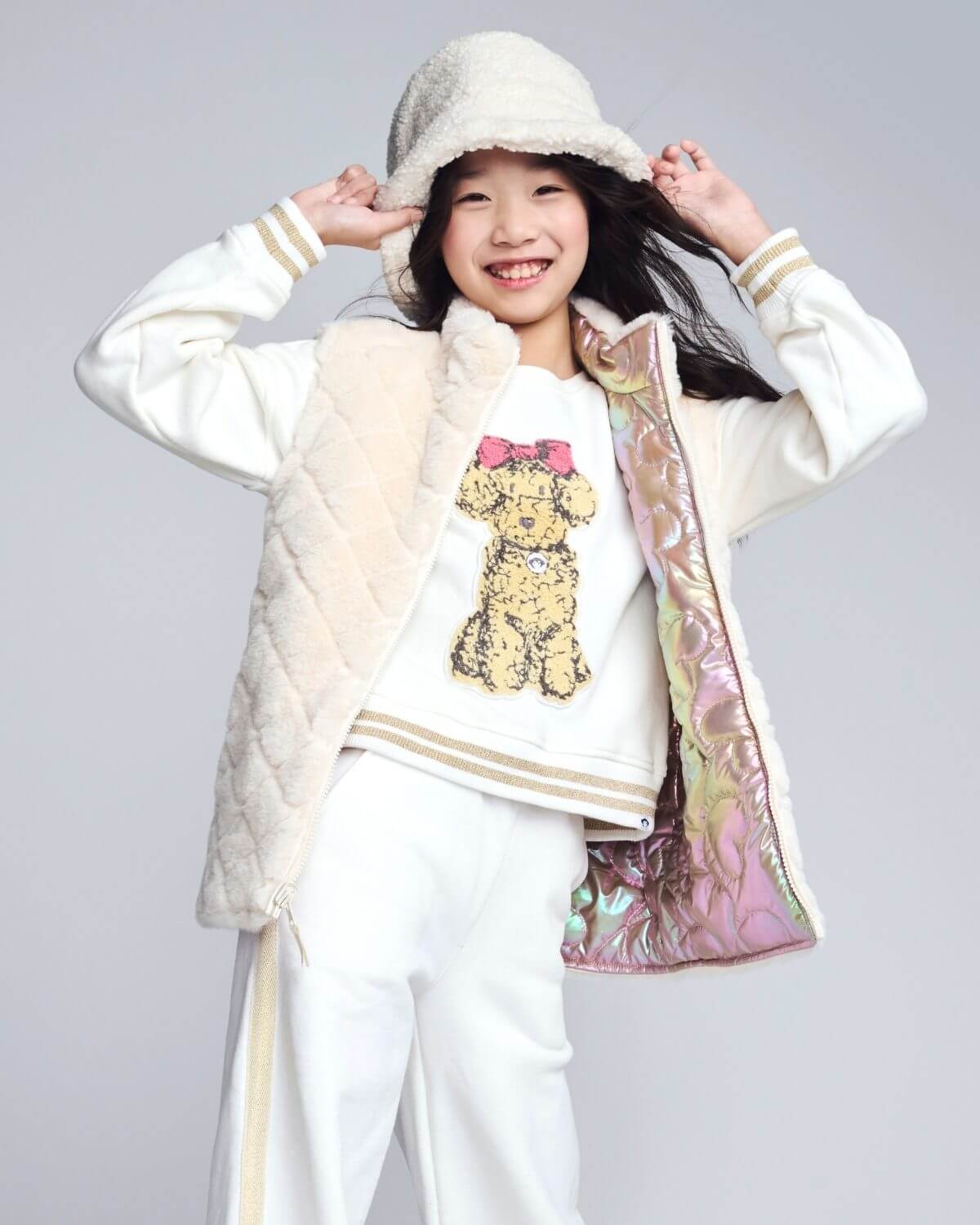
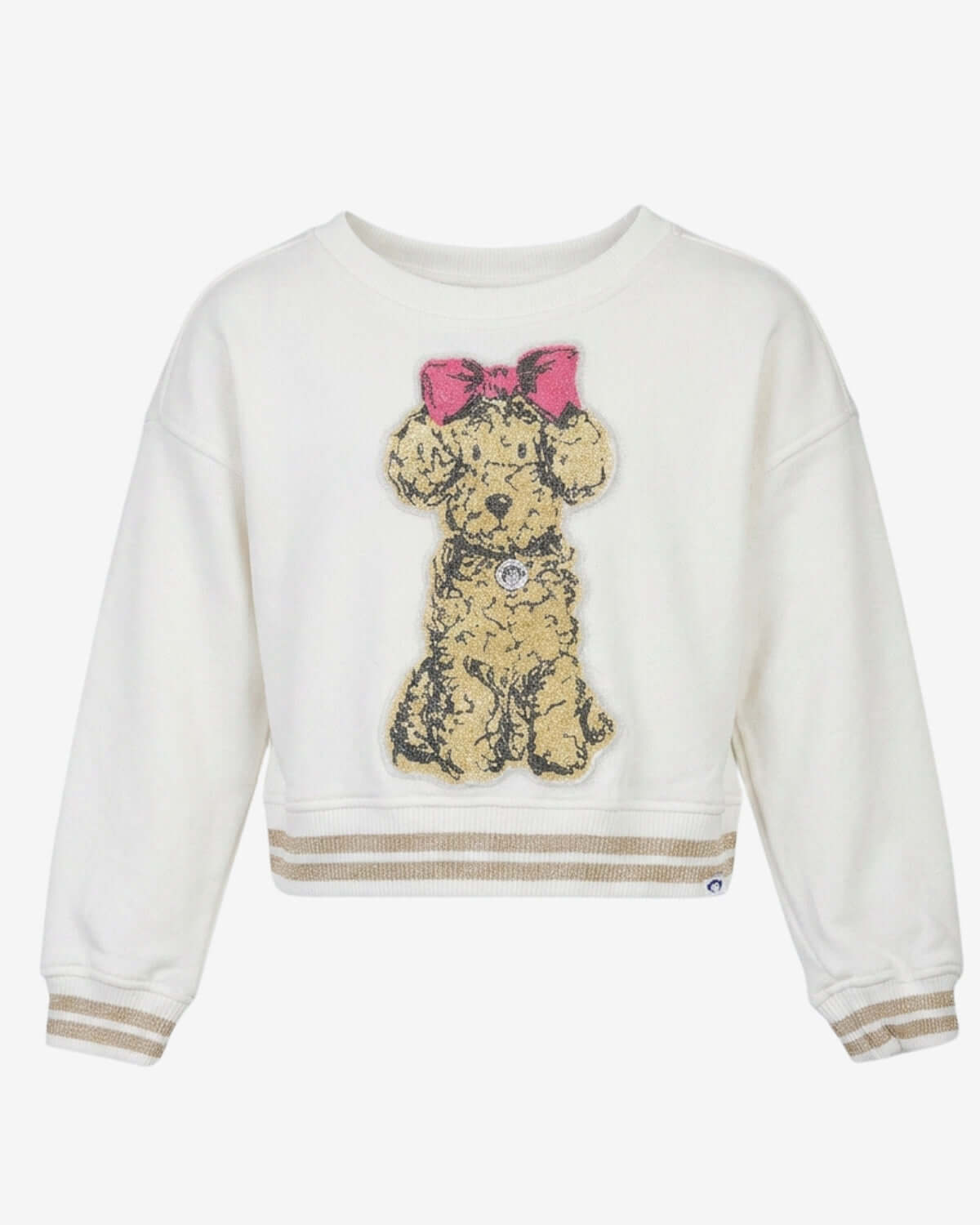
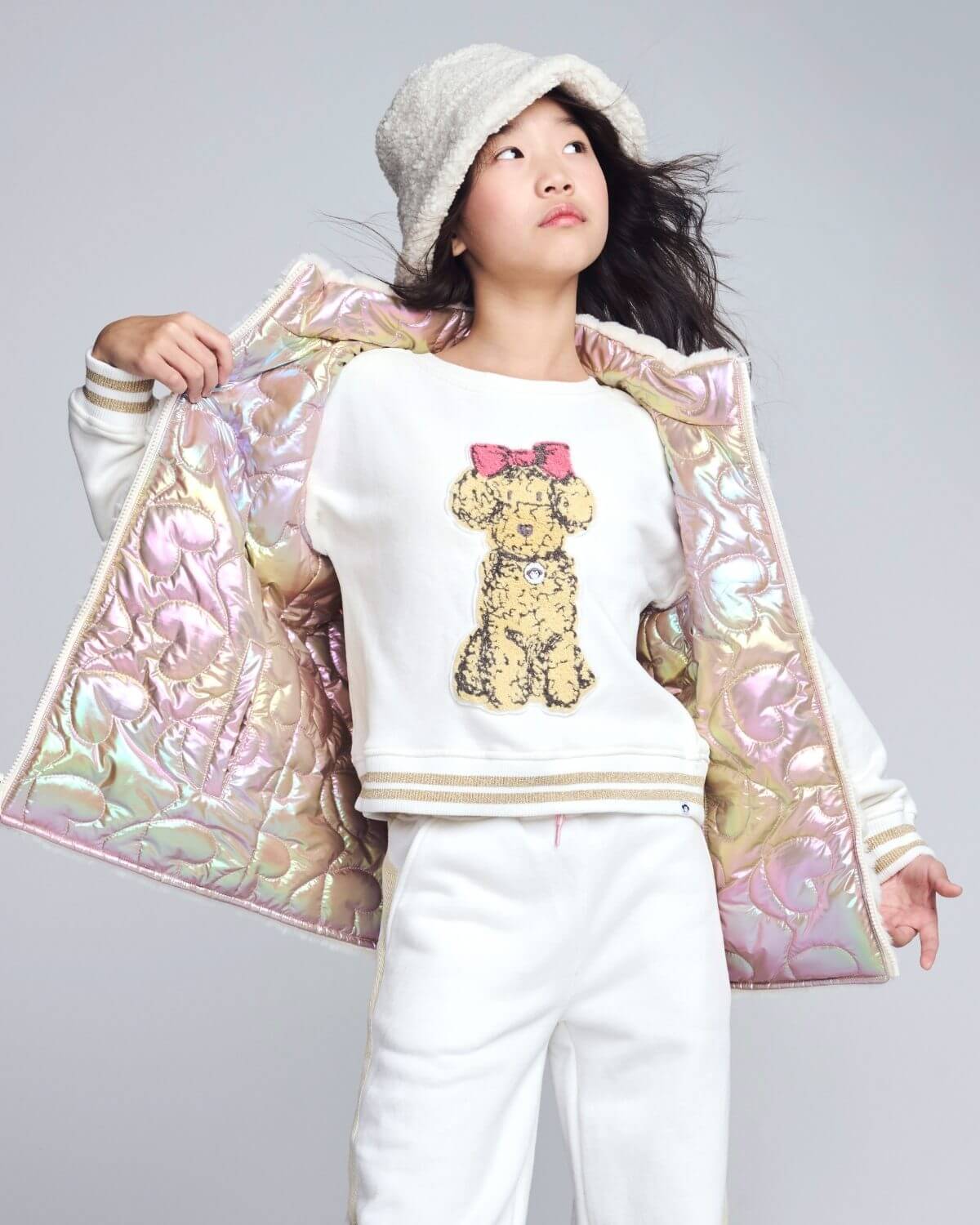
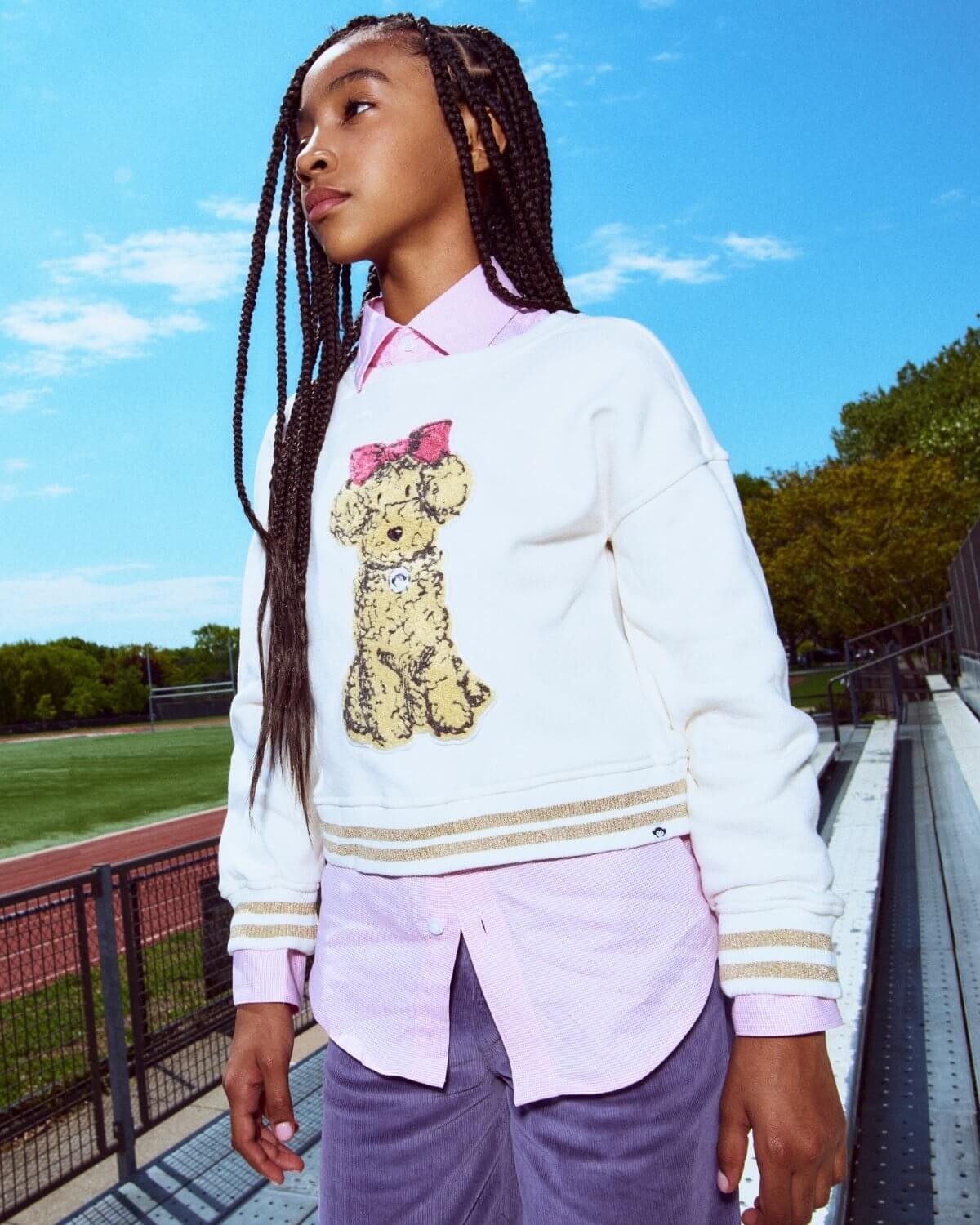
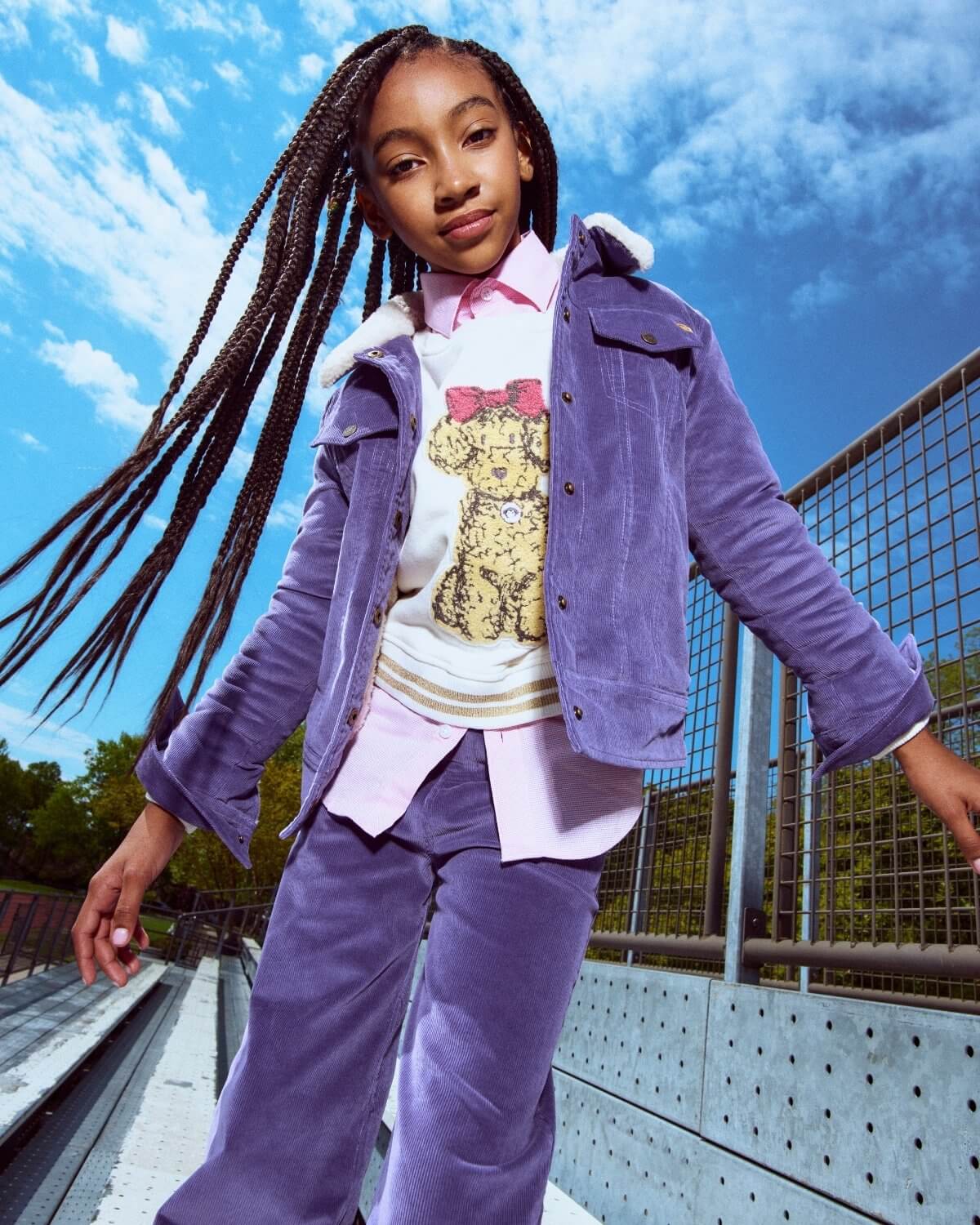
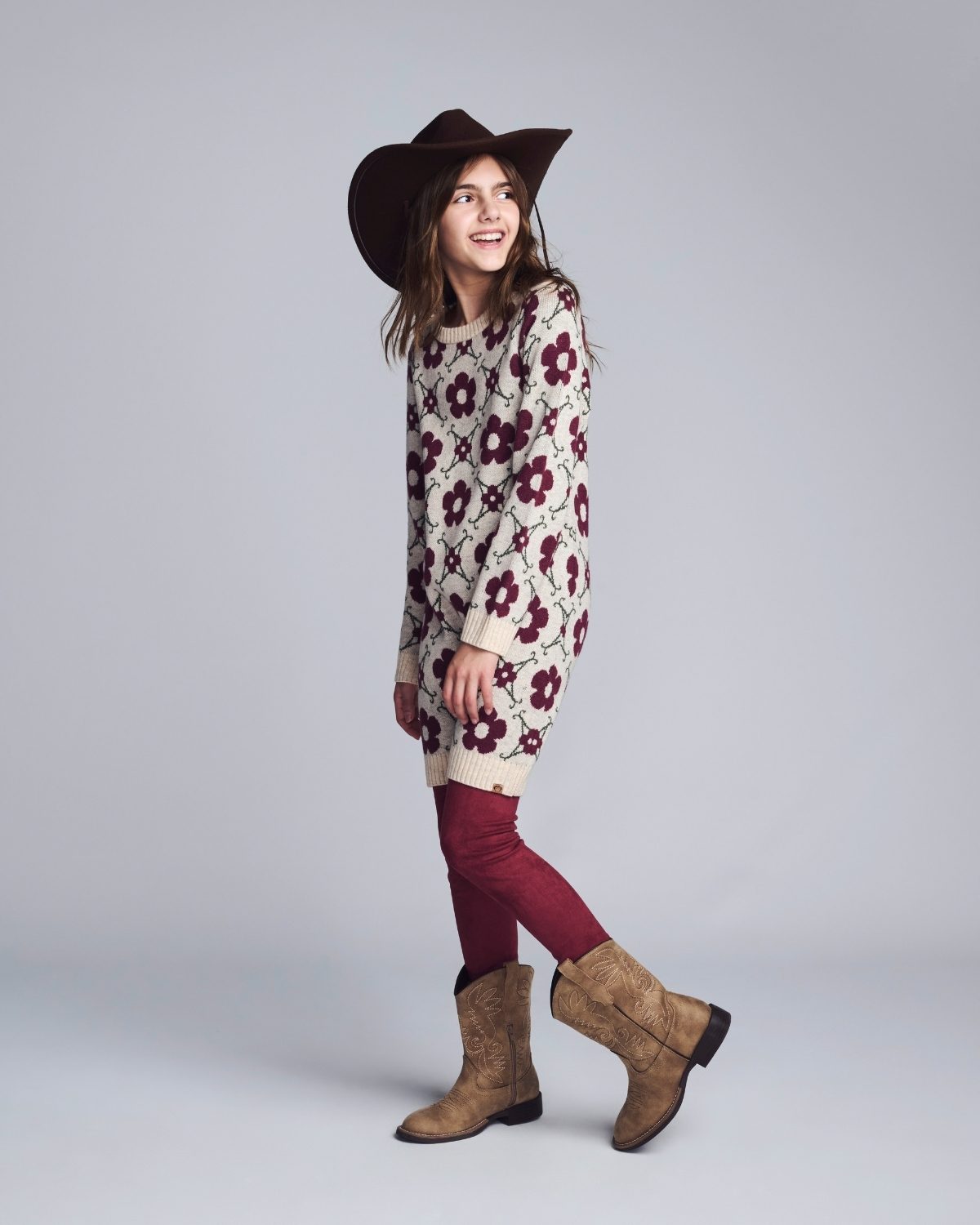
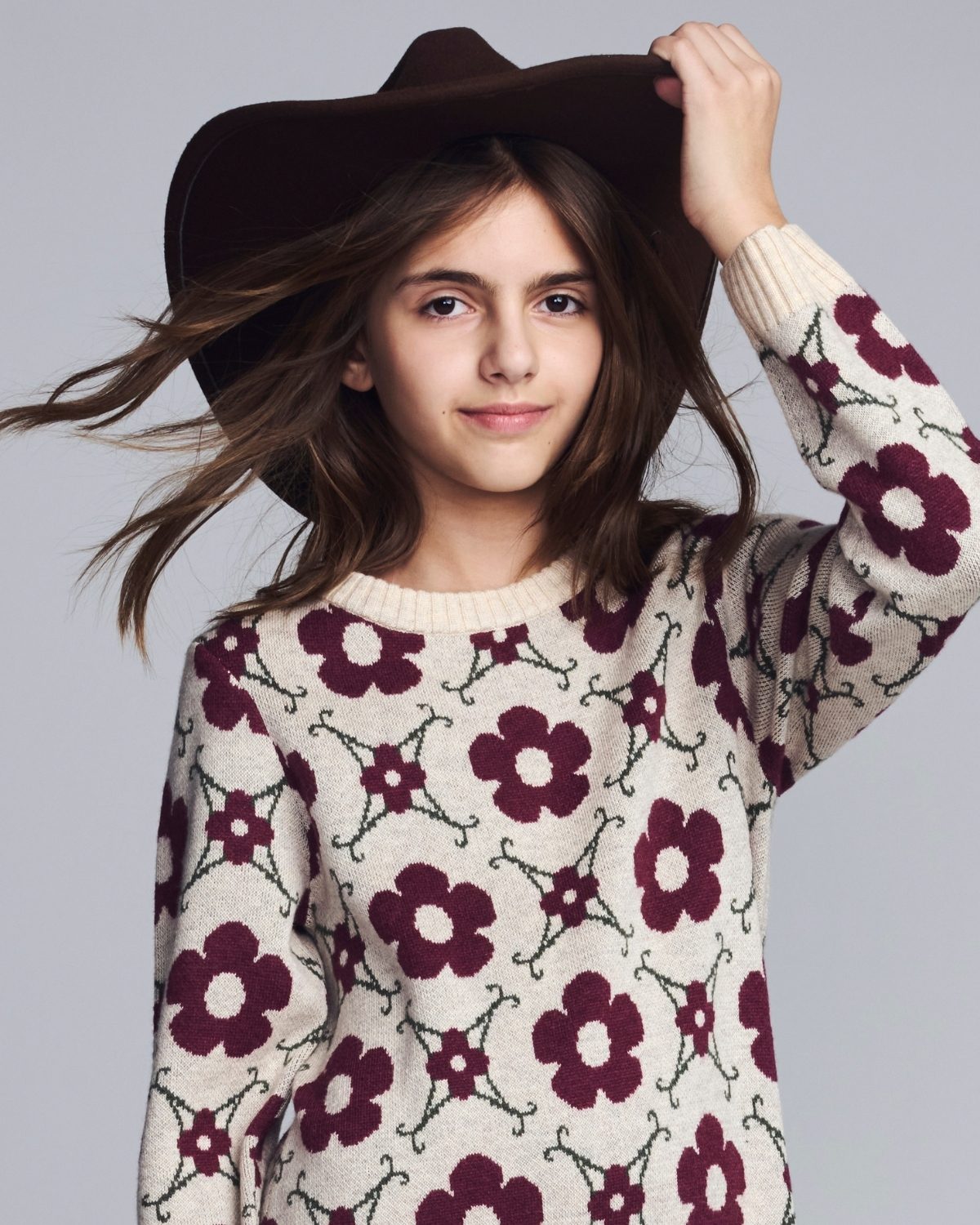
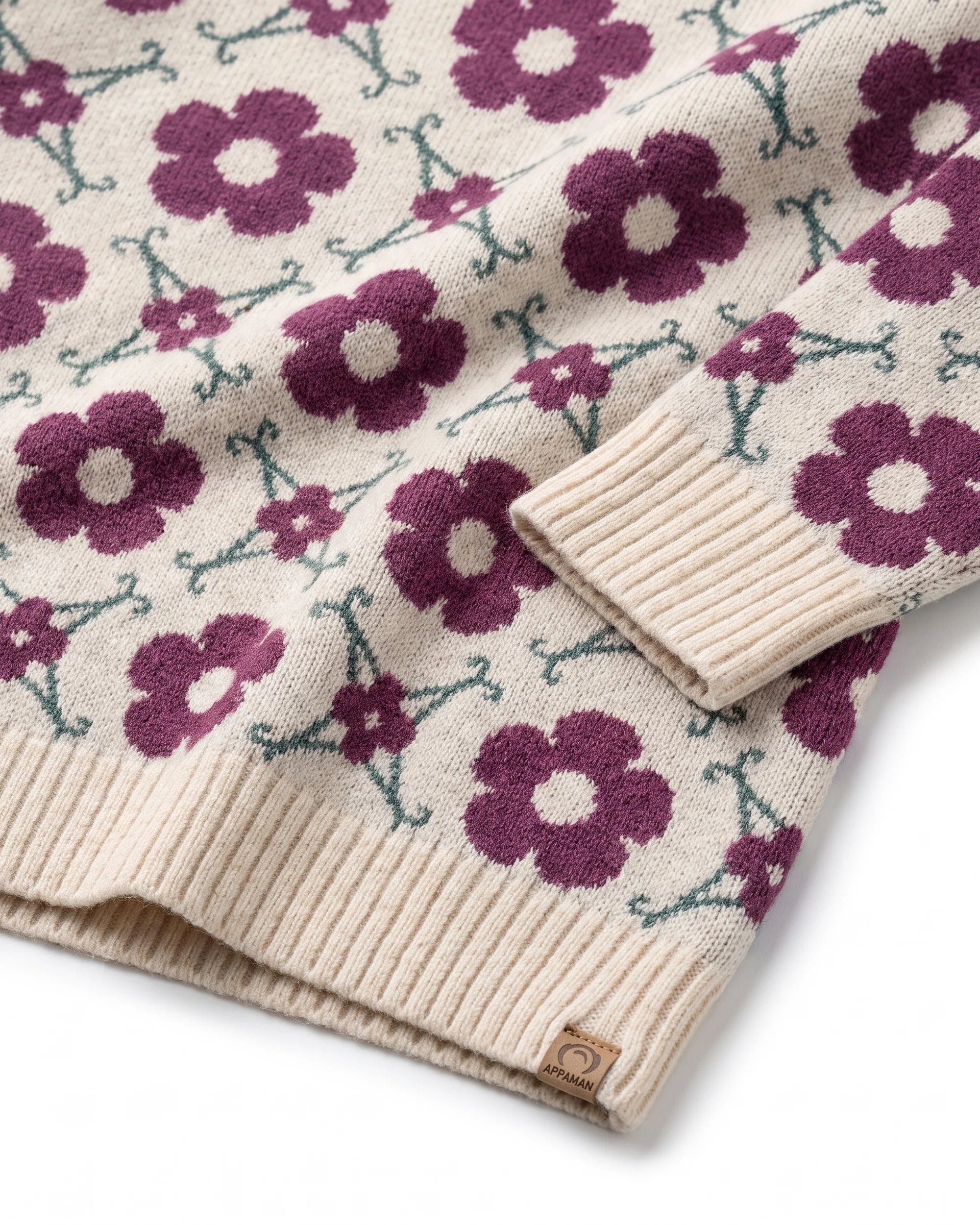
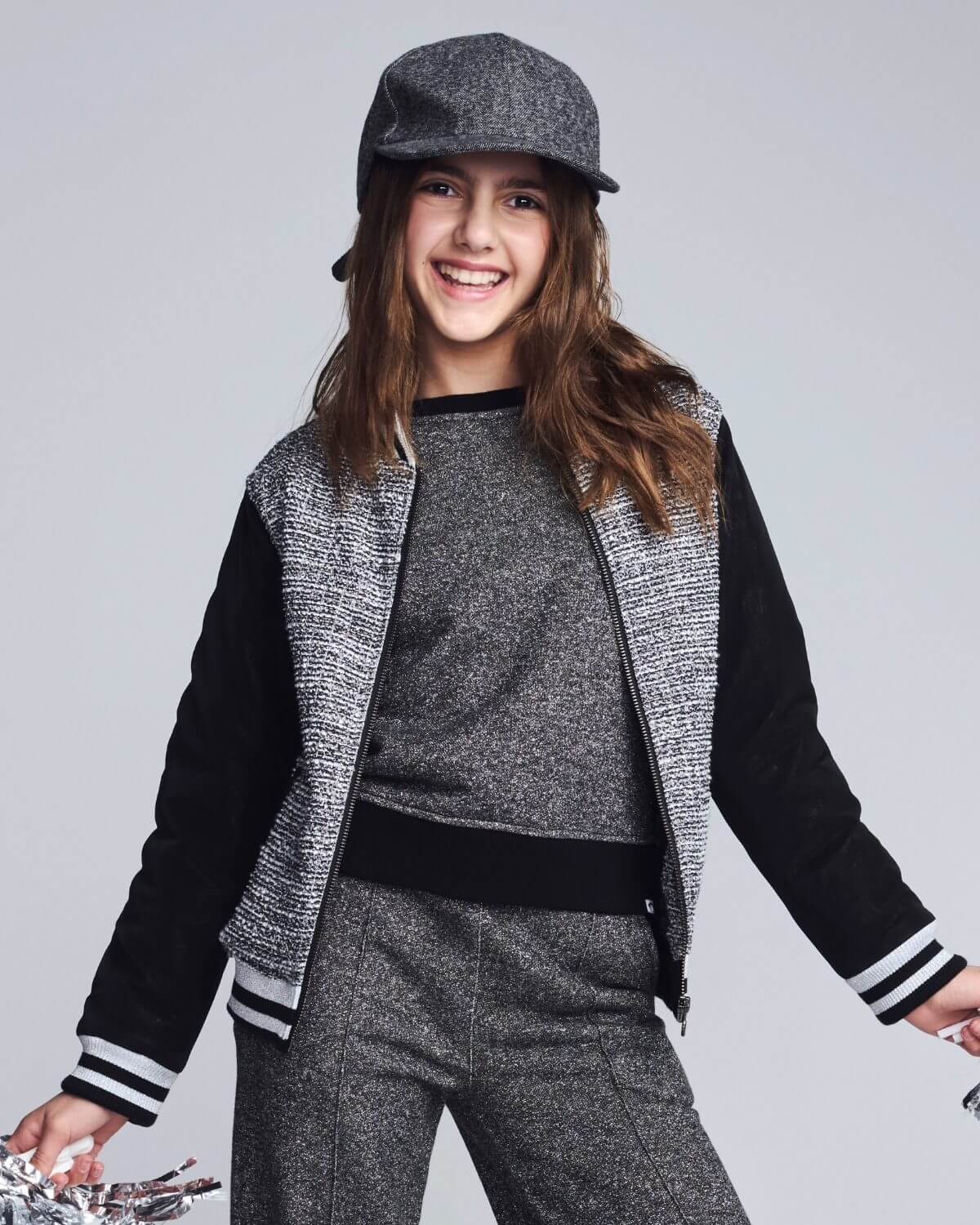
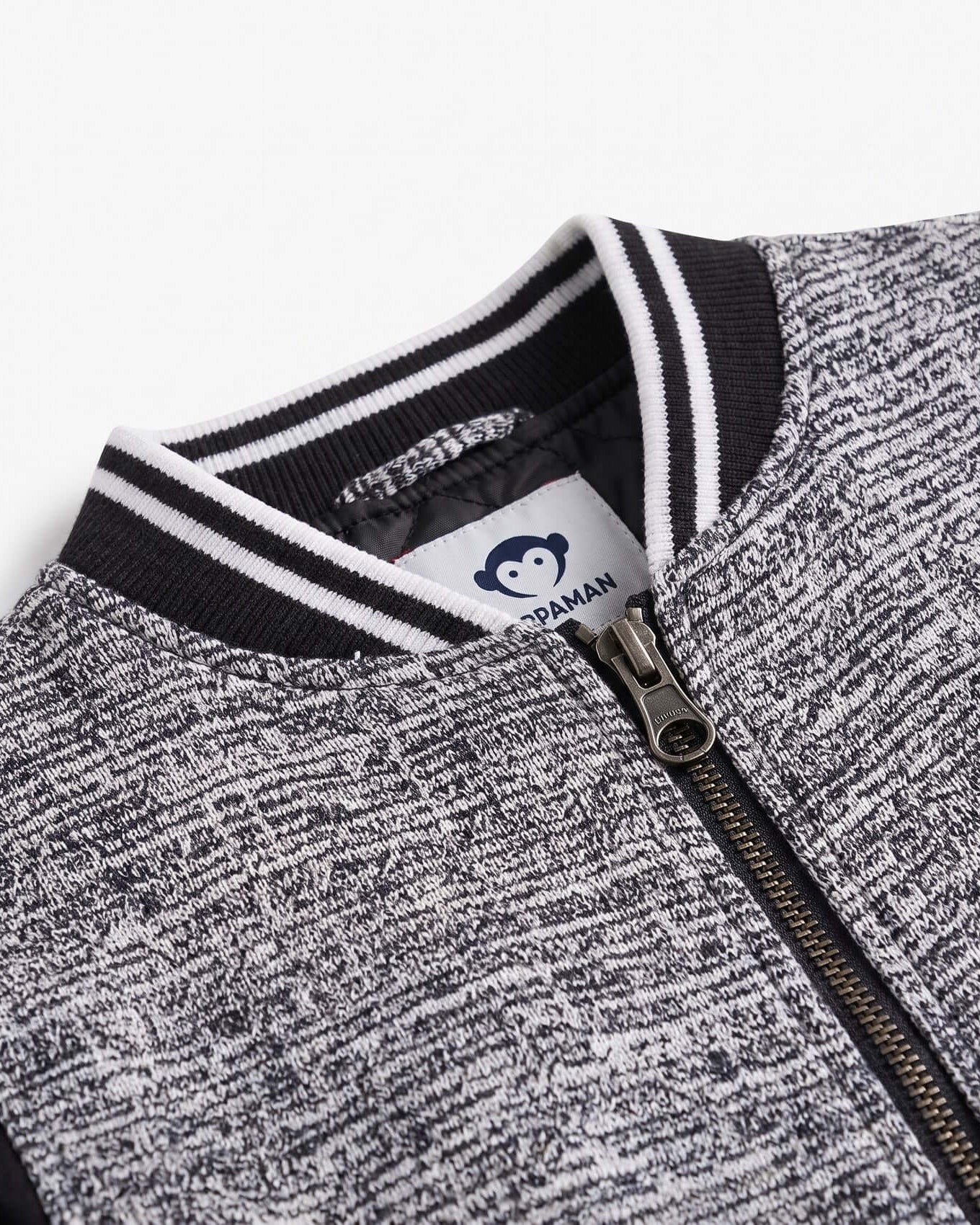
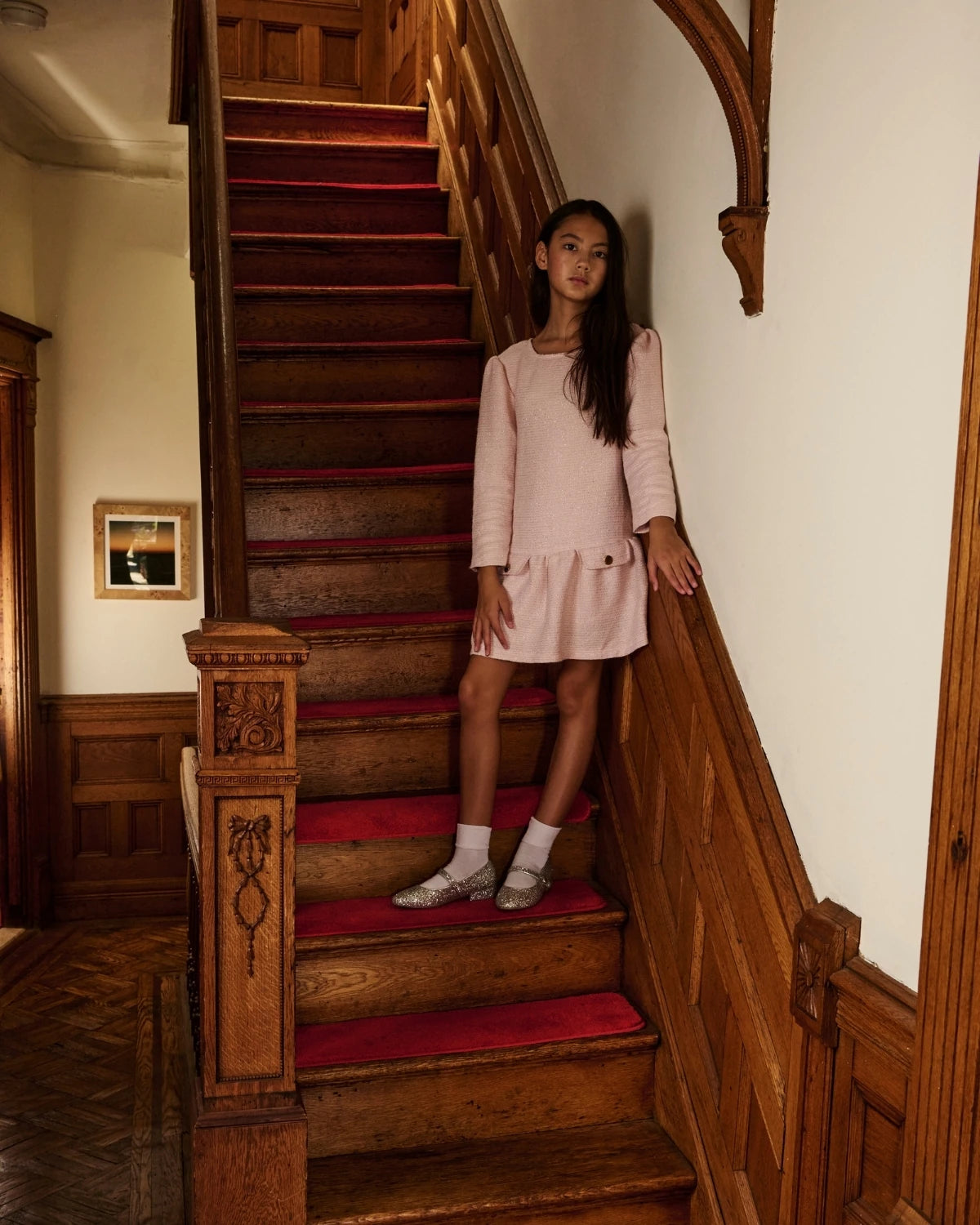
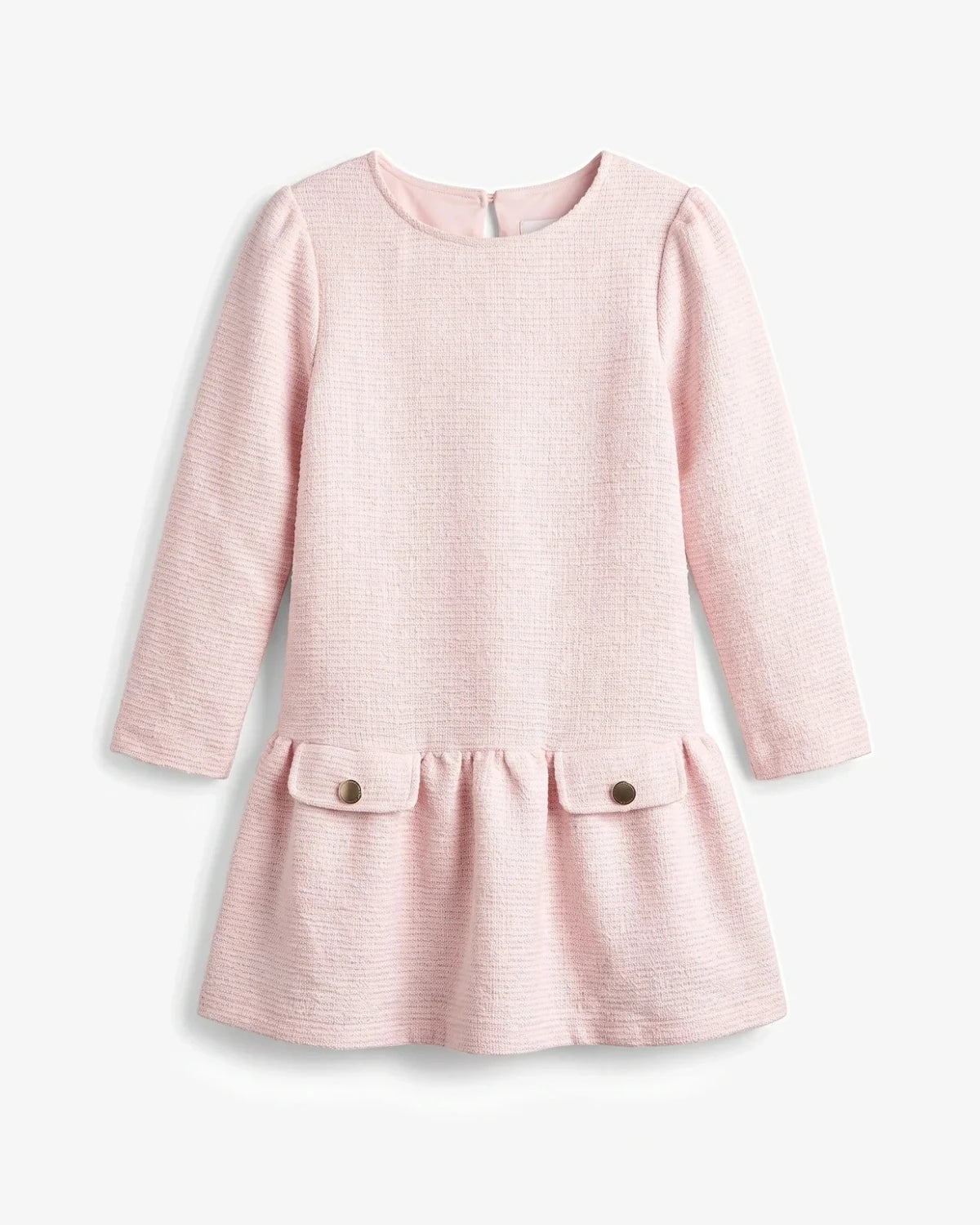
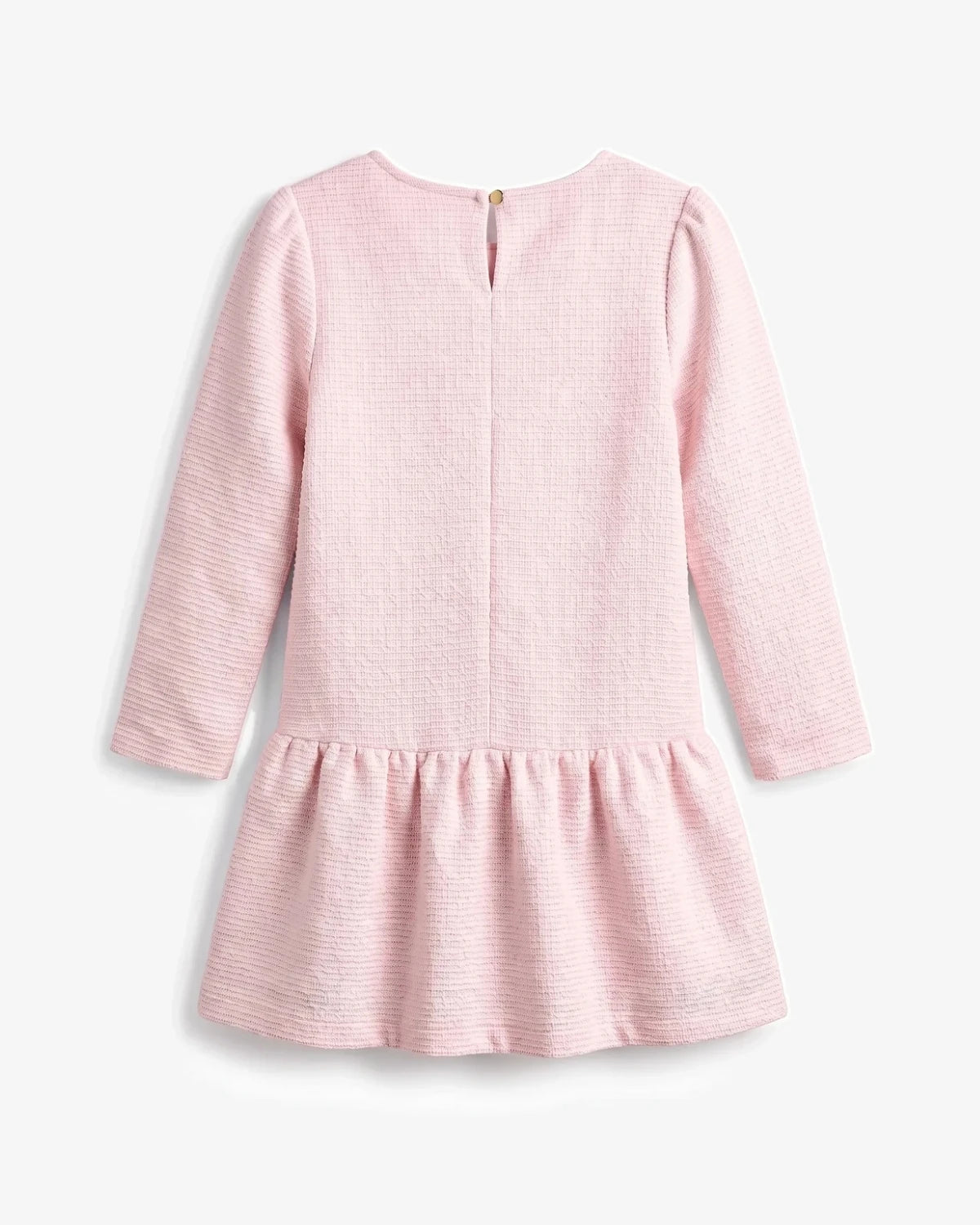
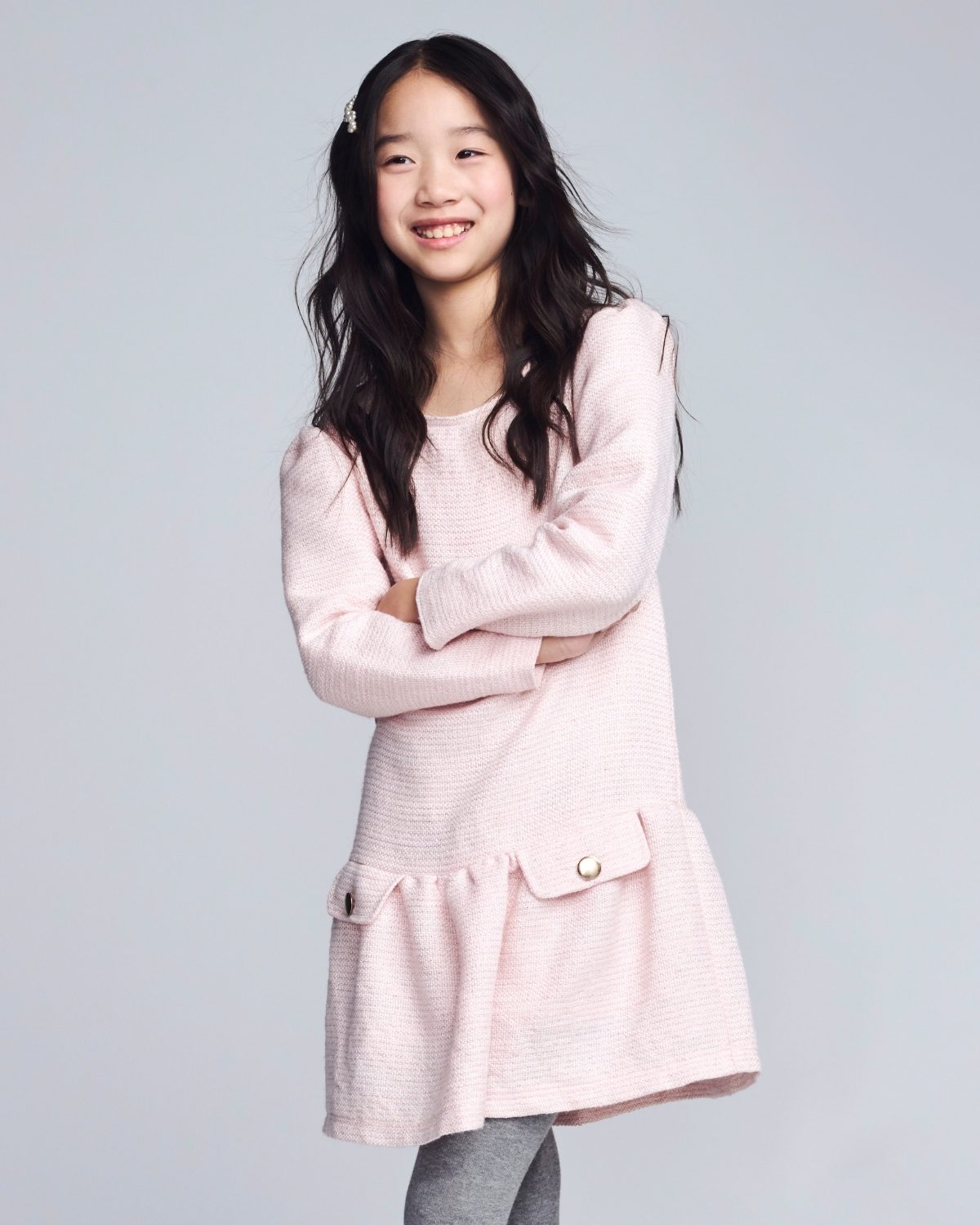
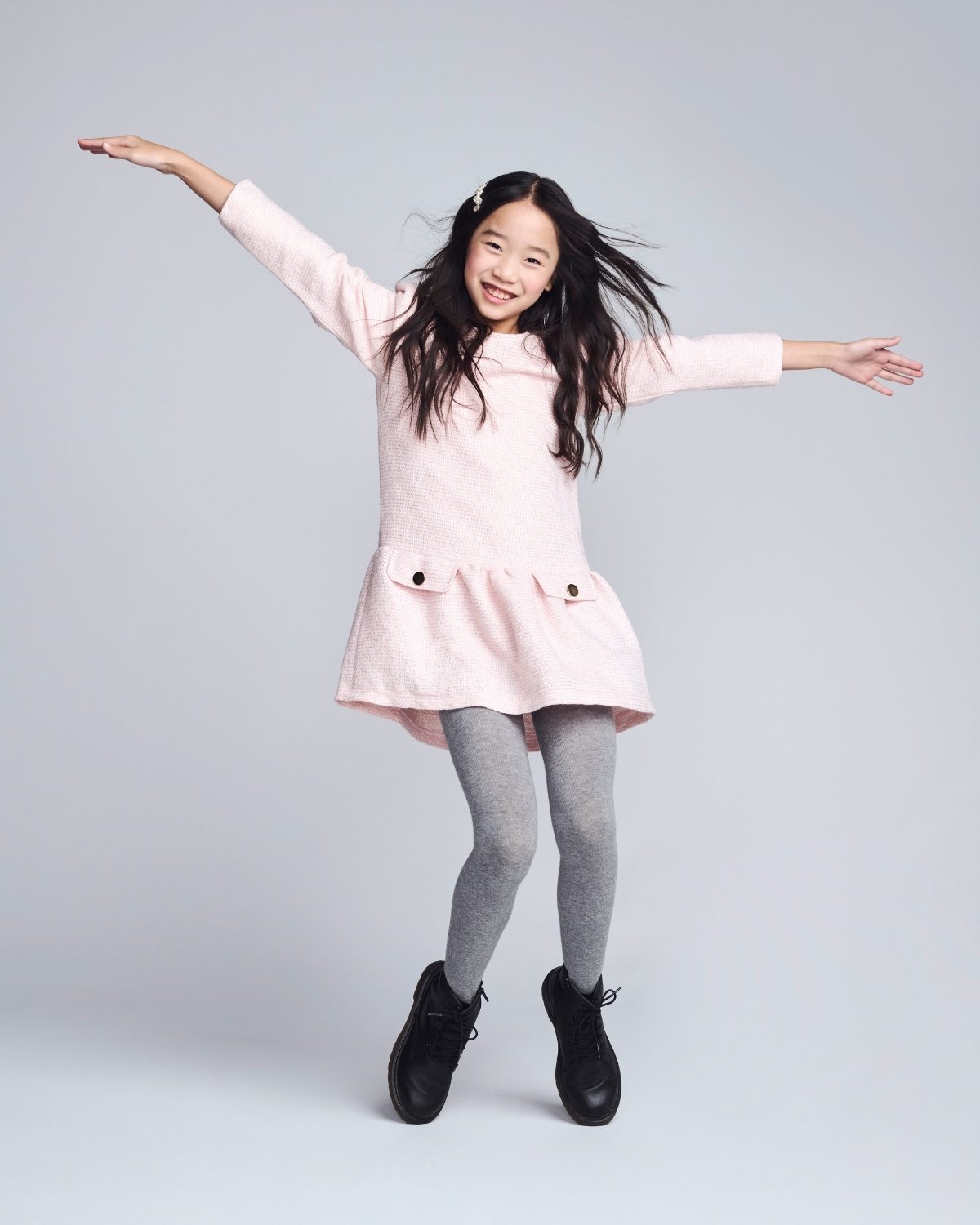
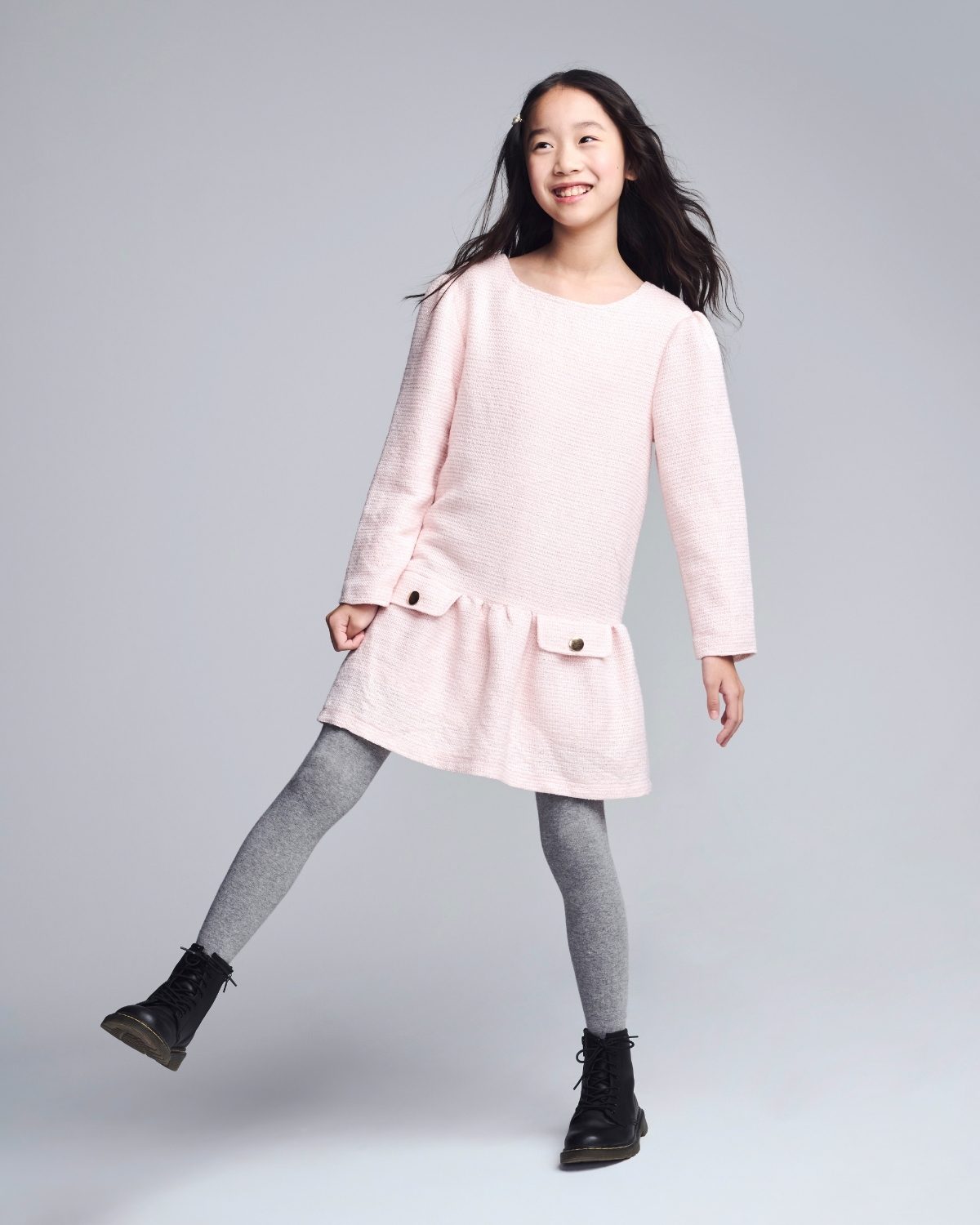
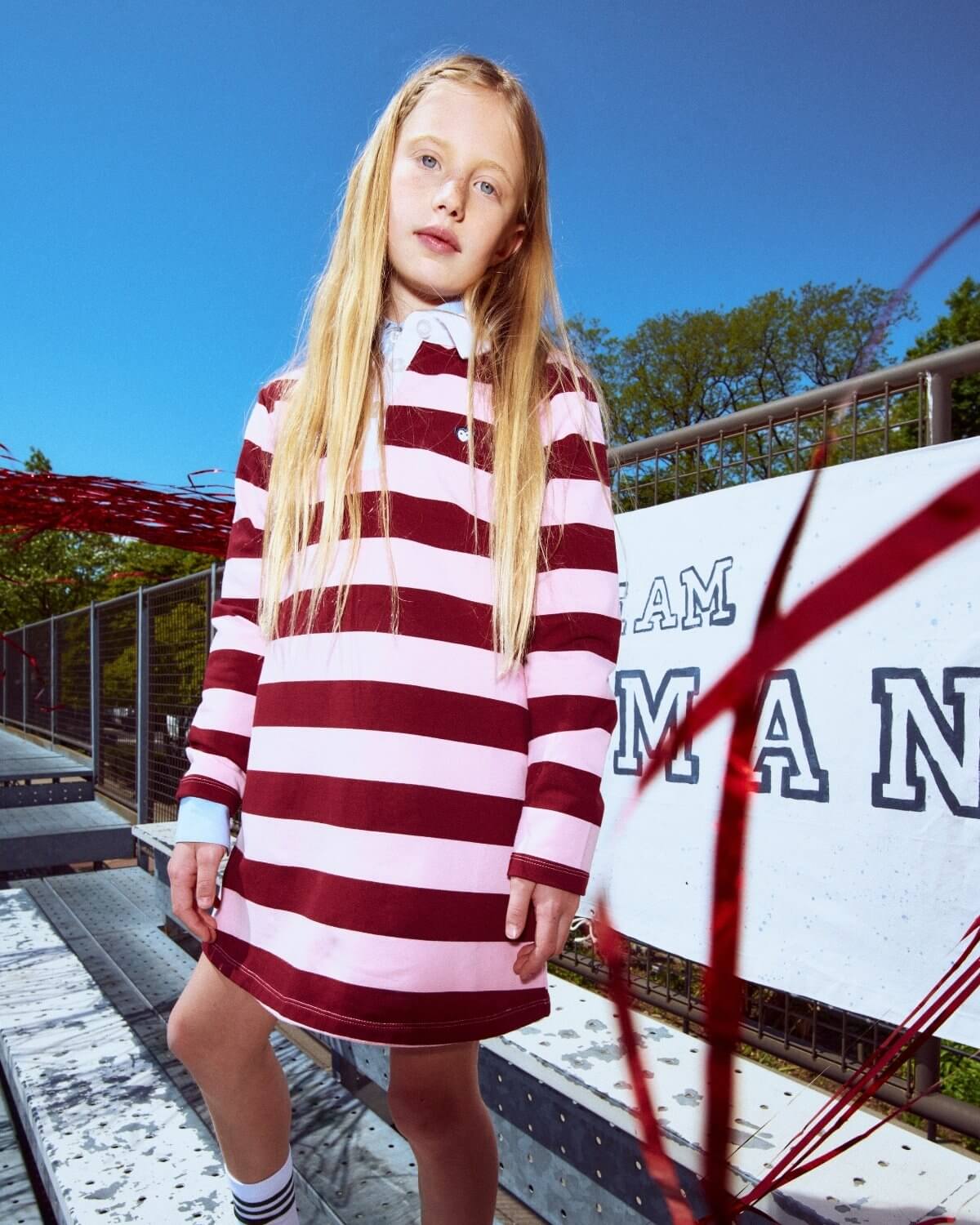

Accessories
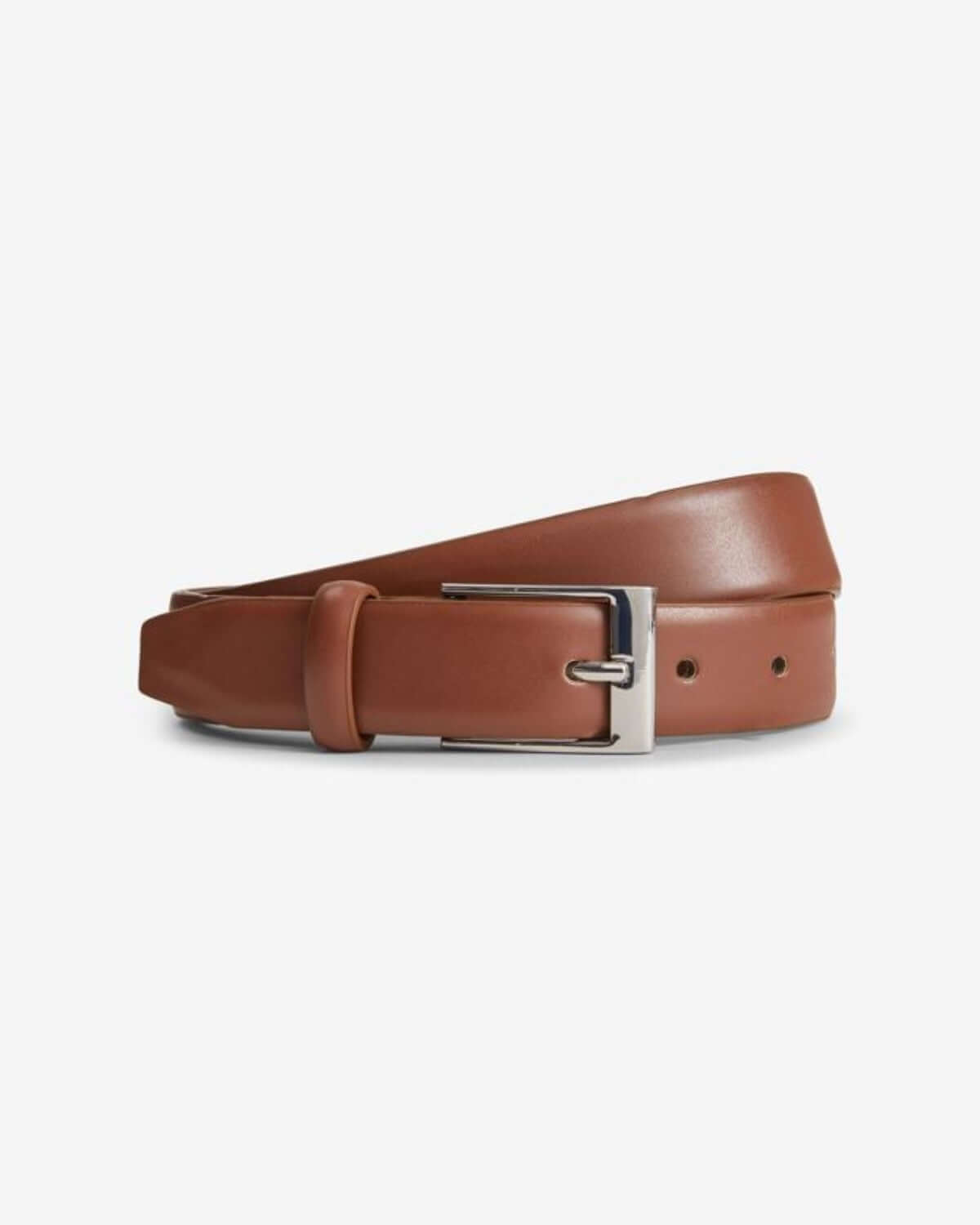
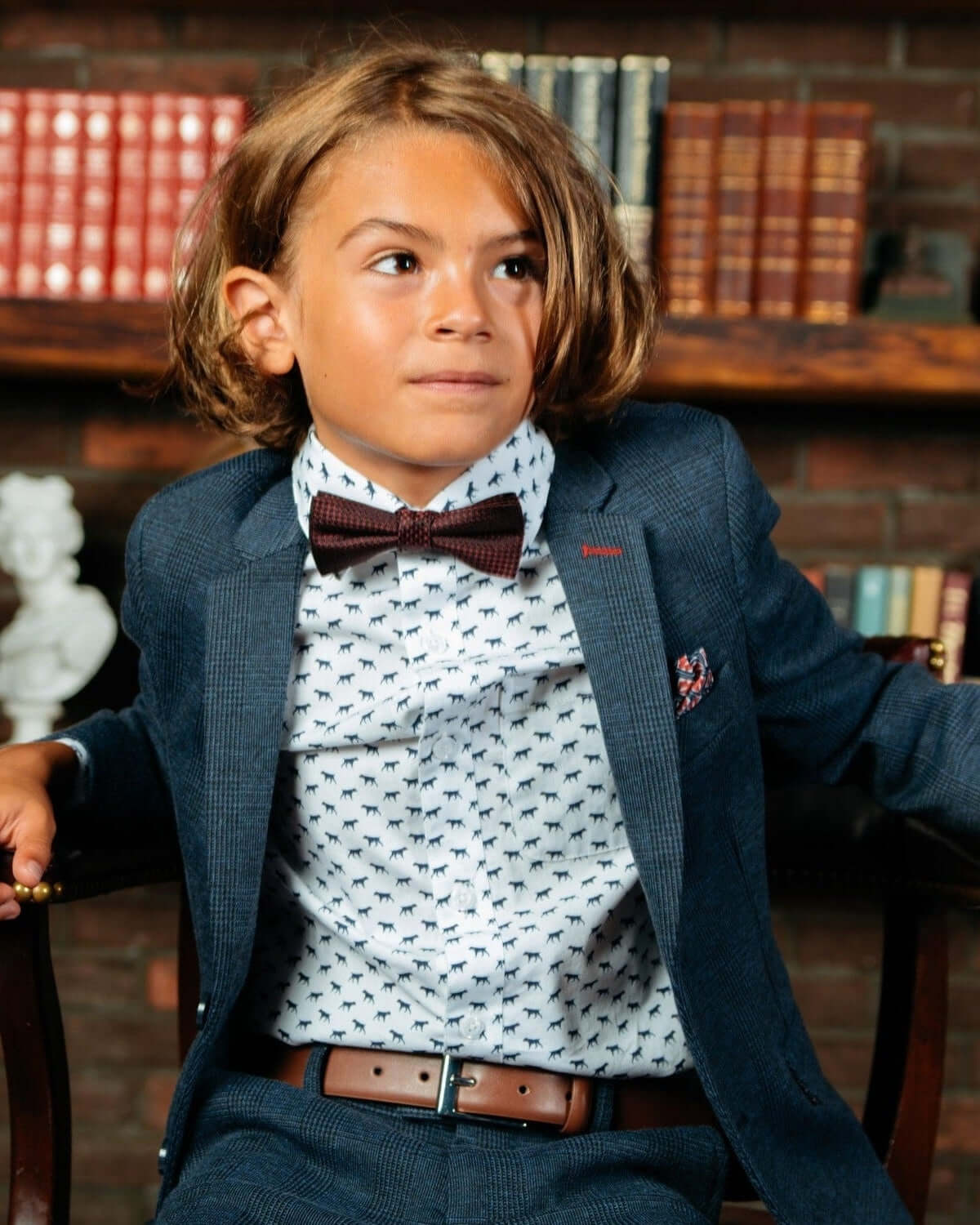
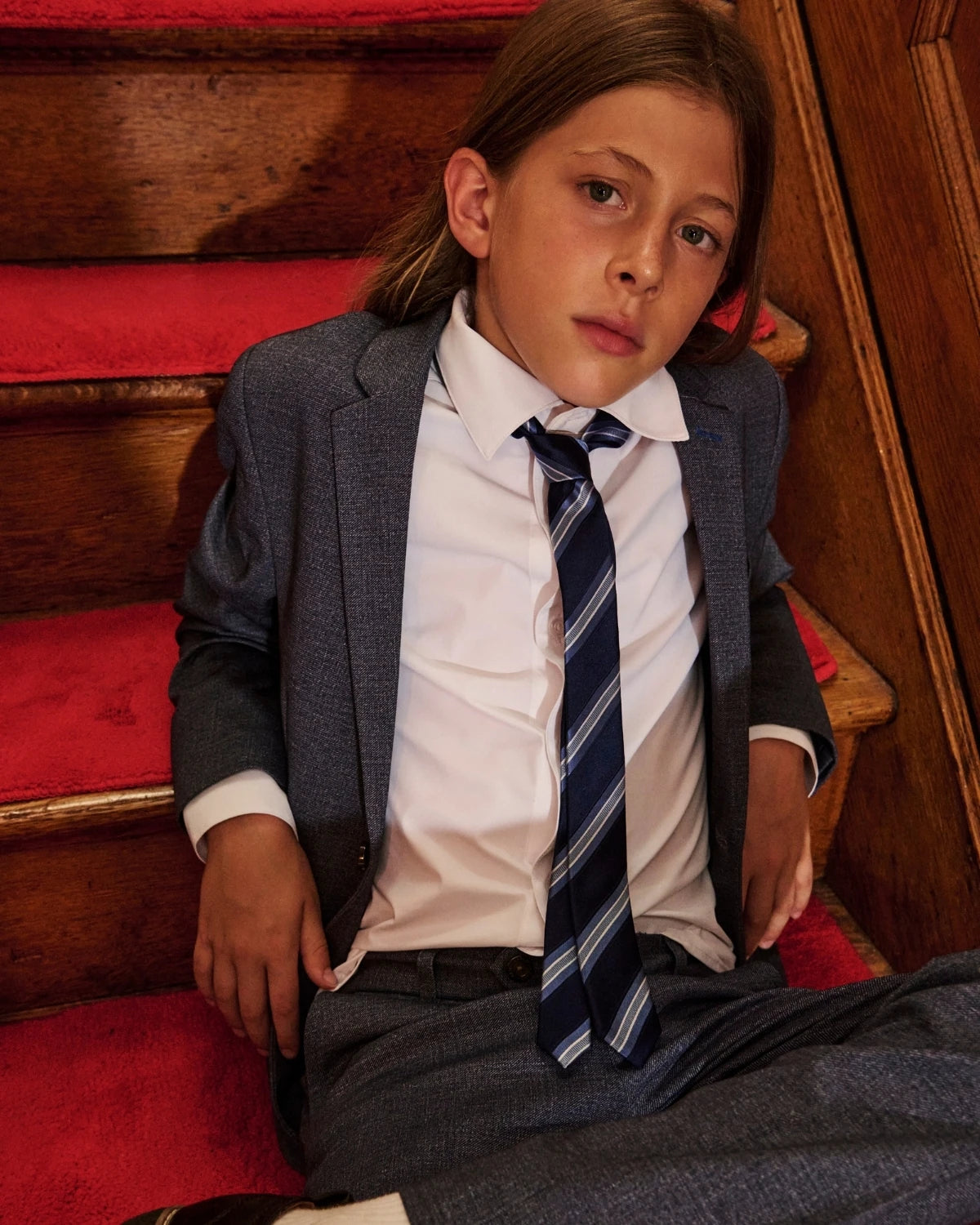
Our kids accessories size chart ensures hats stay on, belts fit right, and every finishing touch is perfectly sized, because details matter (especially to kids with opinions).

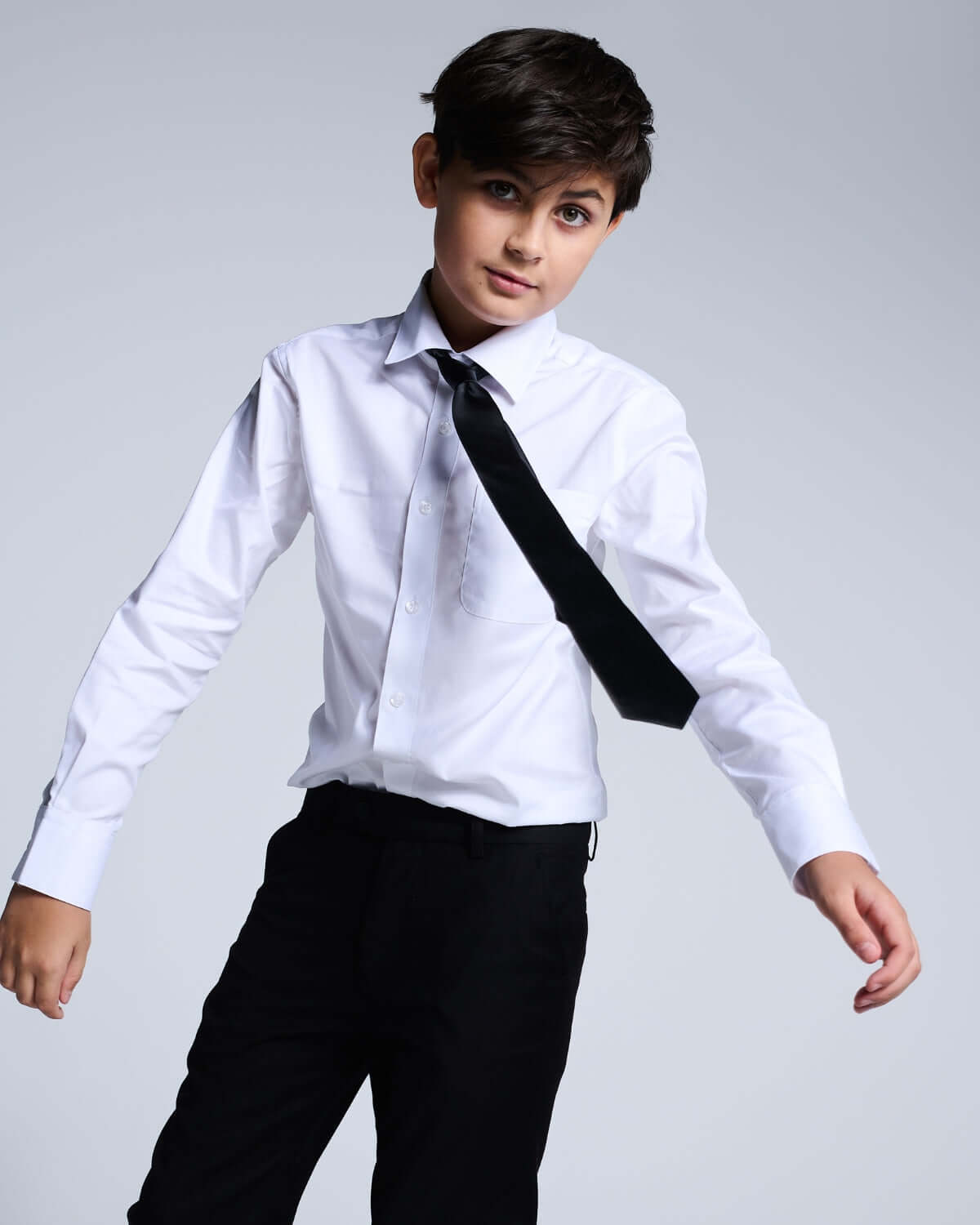
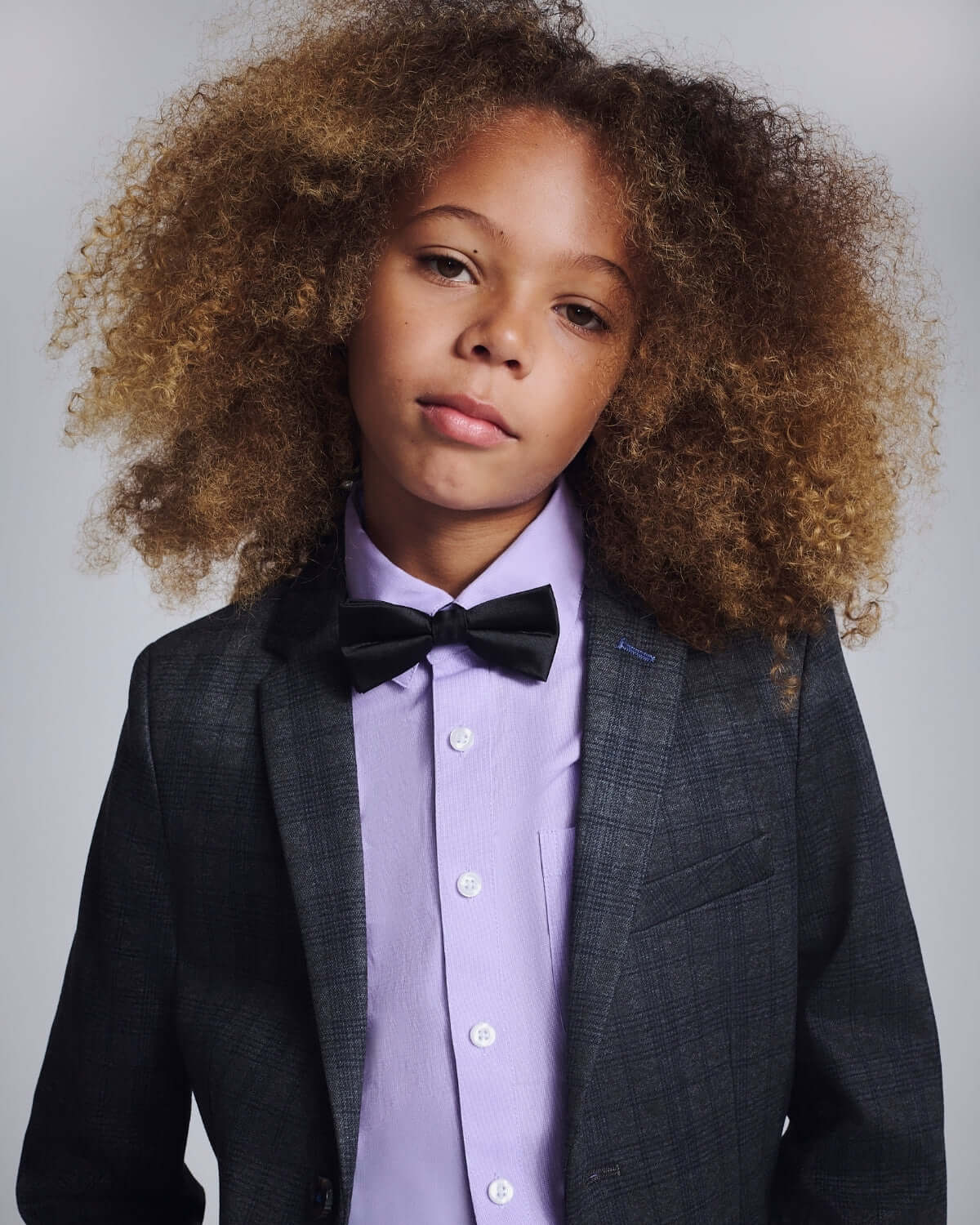
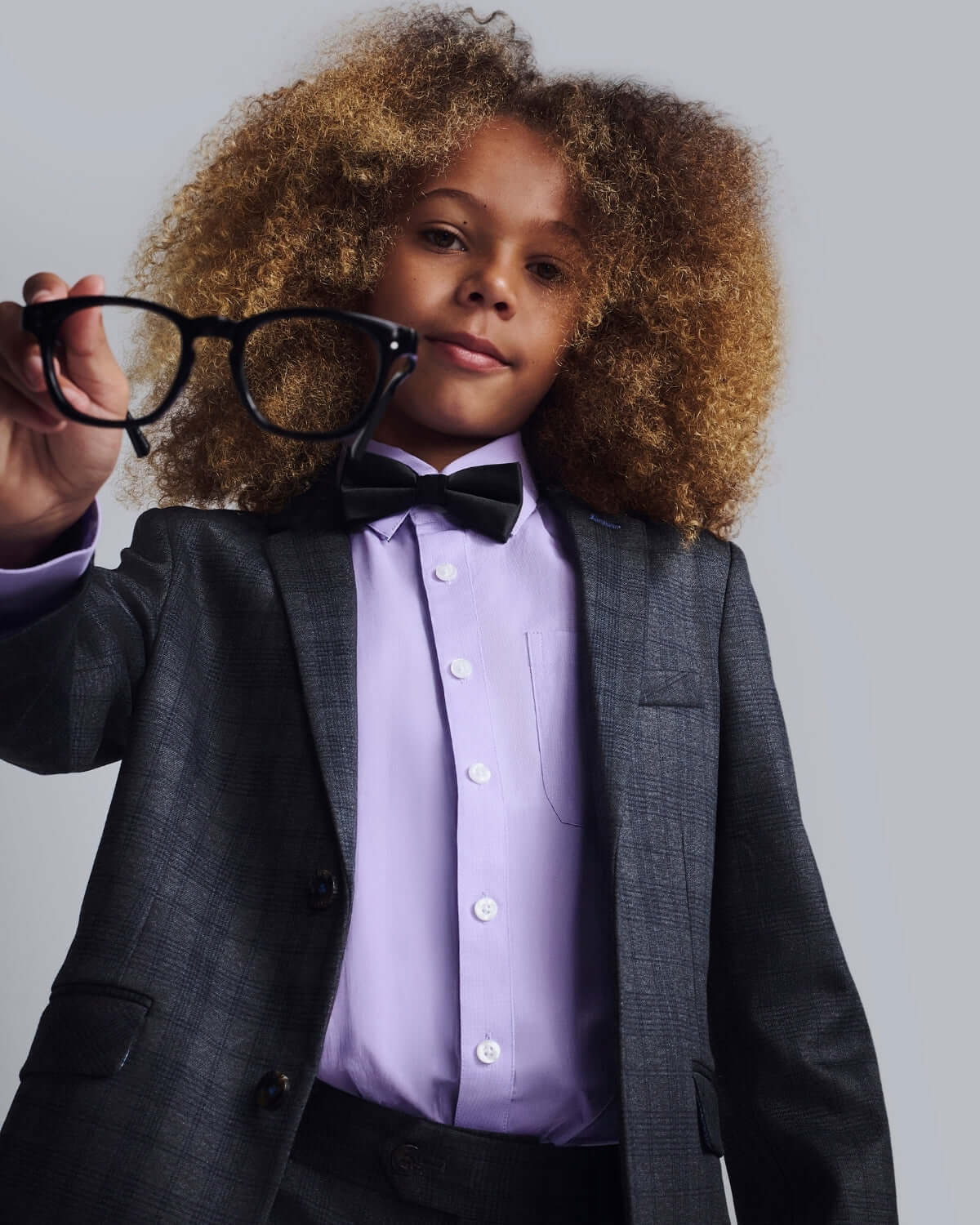
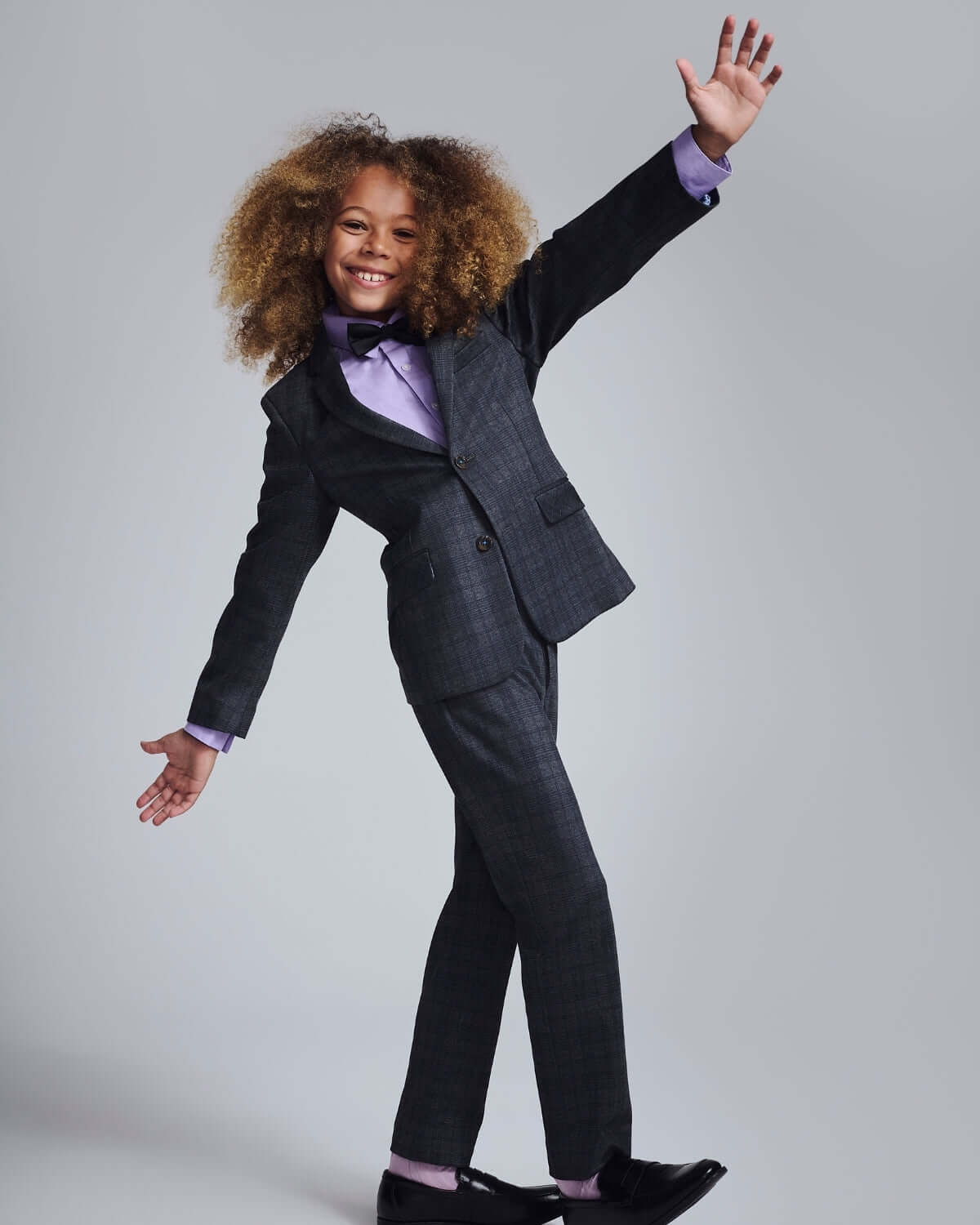

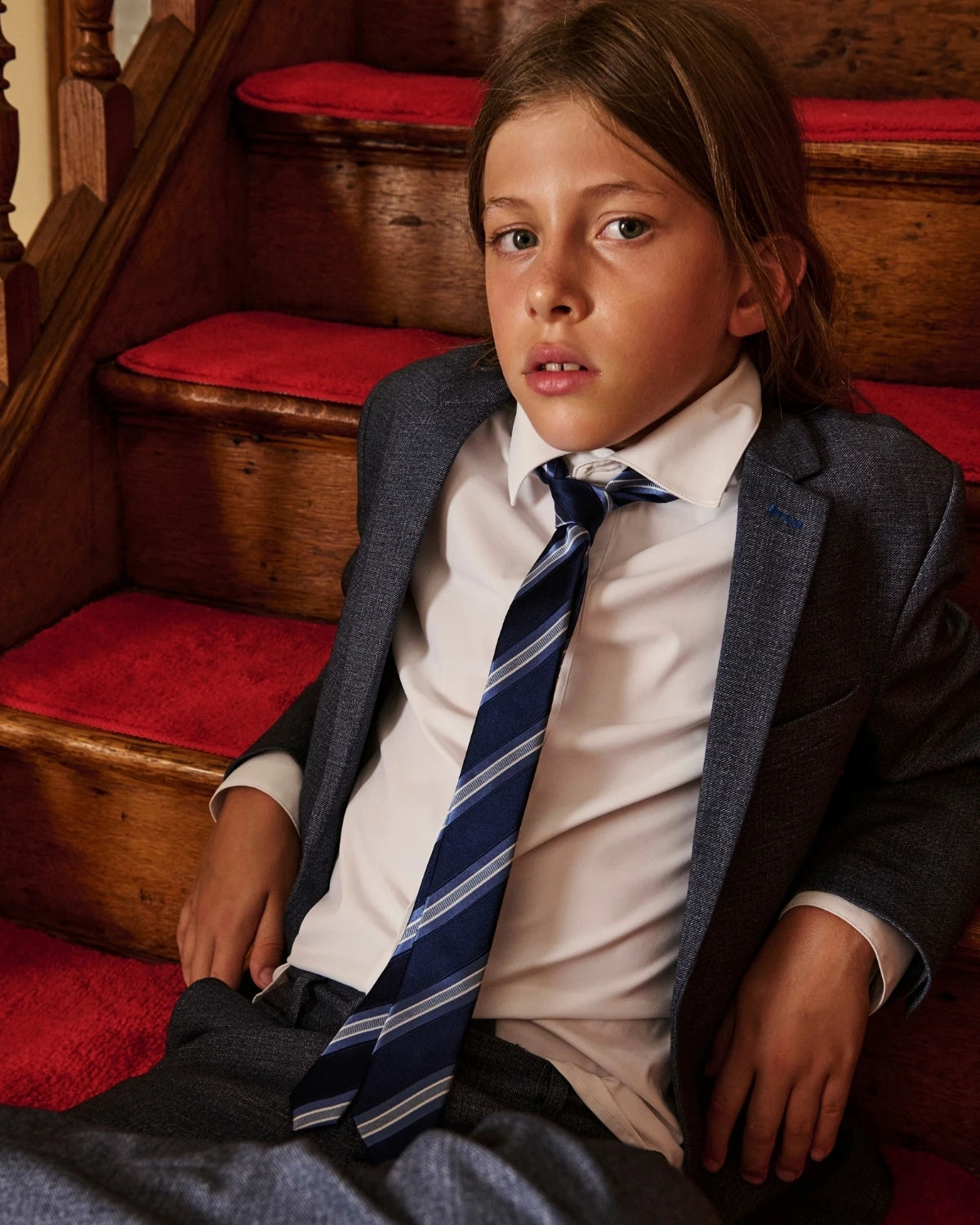

How to Find the Perfect Fit
Sizing a suit for children involves several key measurements to ensure a comfortable and well-fitting outfit. Here is a step-by-step guide to help you correctly size a suit for a child.
How to Find the Perfect Fit
Getting the right size starts with a few quick measurements. Use a soft measuring tape and have your child stand straight in light clothing, with their arms relaxed at their sides. Then compare the numbers to the size chart above.
1. Measure their Height
Have your child stand barefoot with their back against a wall. Measure from the floor to the top of their head, in inches.
2. Measure their Chest
Wrap the tape around the fullest part of the chest, just under the arms, keeping it level all the way around. This is the most important measurement for suit jackets, shirts, and coats.
3. Measure their Waist
Measure around the natural waistline, usually just above the belly button. Keep the tape snug but not tight.
4. Measure their Hips
Measure around the fullest part of the hips and seat. This helps you choose the right fit for pants, skirts, and suit trousers.
5. Measure the Inseam
Measure the inside of the leg, from the crotch down to the ankle bone, with your child standing with feet slightly apart.
6. Find their Size
Compare the measurements to the size chart above. If they fall between two sizes, choose the larger one. For suits and coats, go by chest and height first, since pant length is easier to adjust.
Note: Appaman pants come with an adjustable waistband, and our suit pants include 2 inches of extra hem allowance, so they can be tailored for a perfect fit and let down as your child grows.
Shop By Category

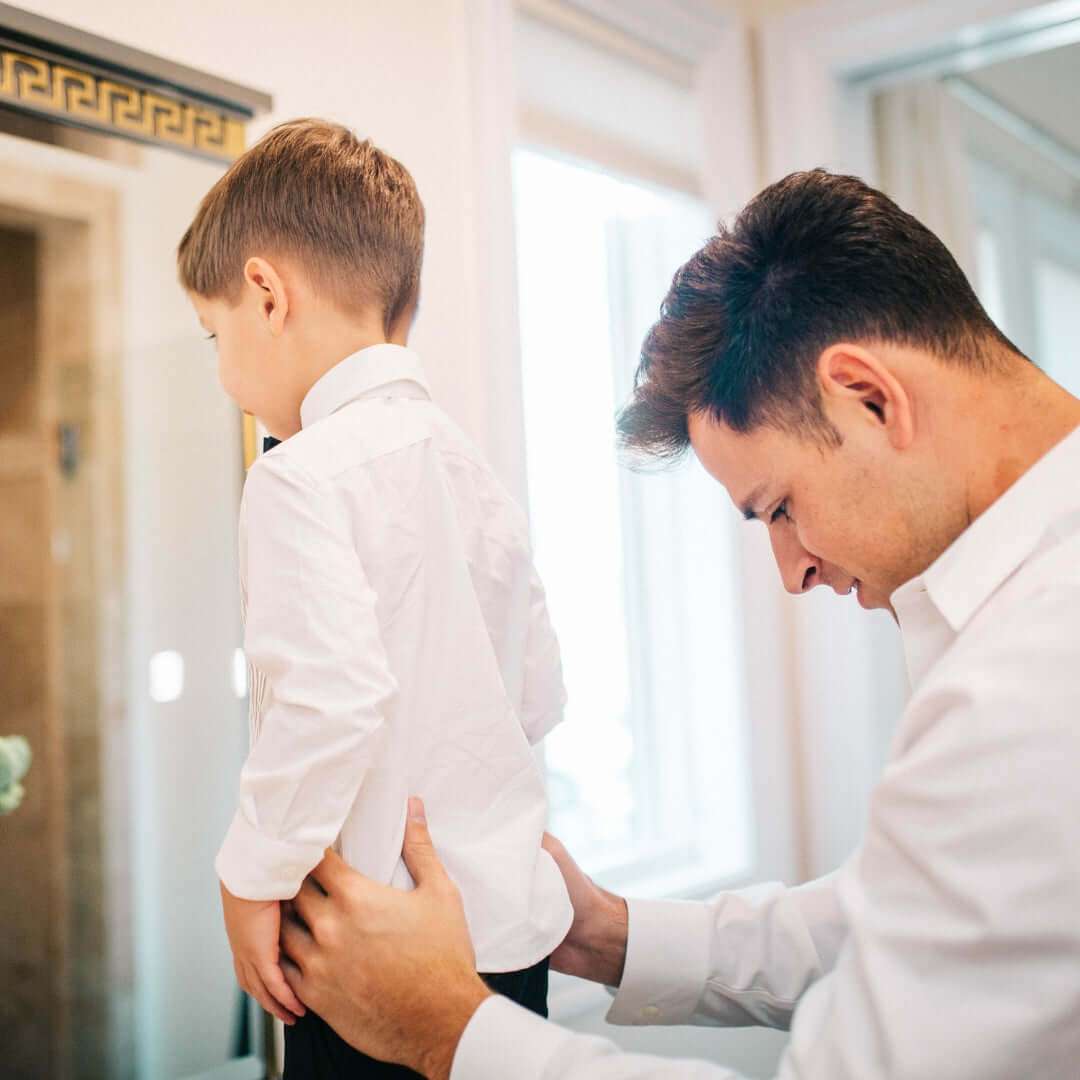
Tip #1: Use the size chart
Do not assume that the size corresponding with your child's age will be the right one. Kids come in all shapes and sizes, so that's just a starting point. This is especially true for older kids, where there’s a much wider range of sizes at a given age.
When in doubt, or if you are in between two sizes, we almost always recommend ordering the larger one, unless you have specific fit preferences (if so, keep reading)
For detailed sizing information tailored to your child’s gender, please refer to our Girls’ Clothing Size Chart and Boys’ Clothing Size Chart.
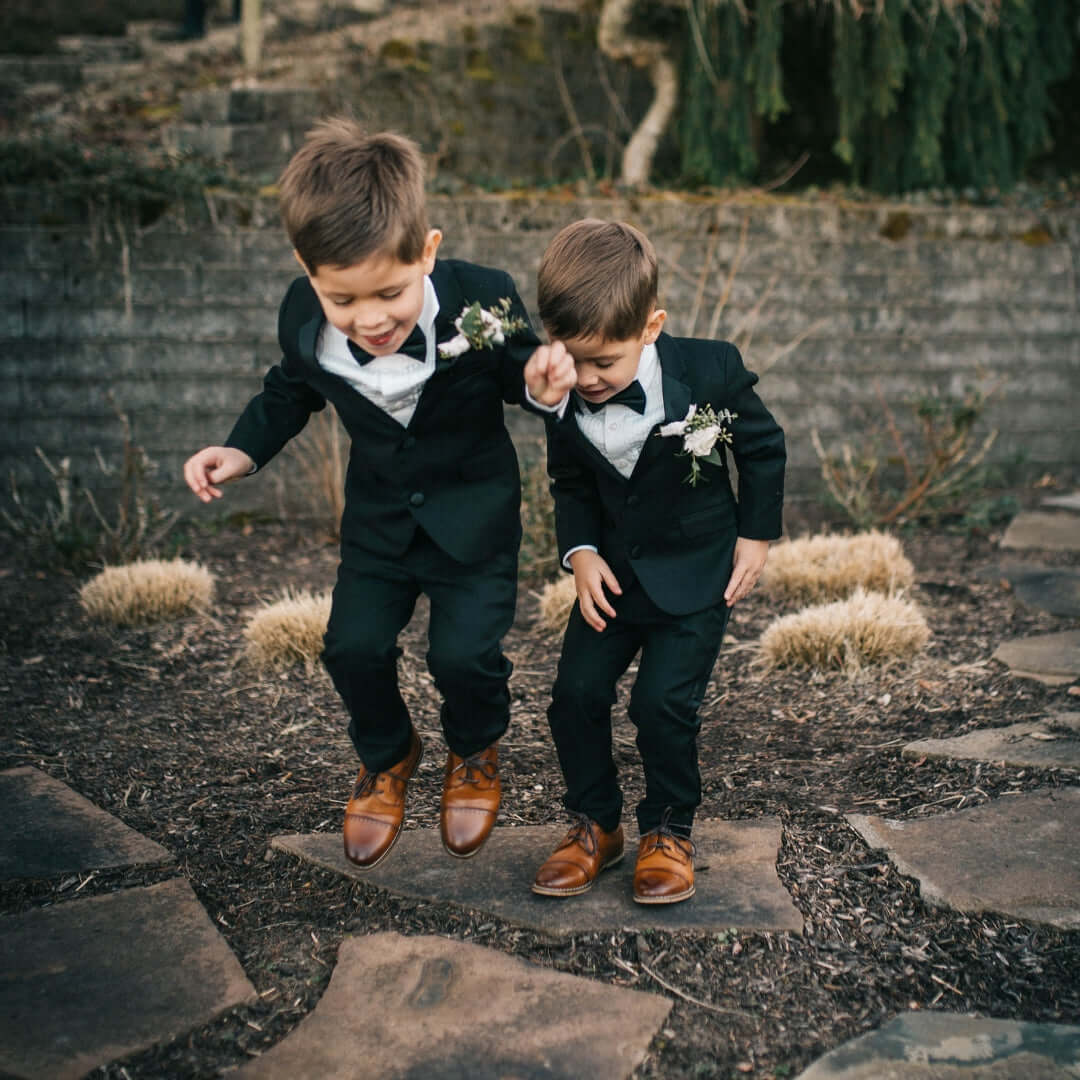
Tip #2: Consider the kid's body type & the cut or versatility of a particular style
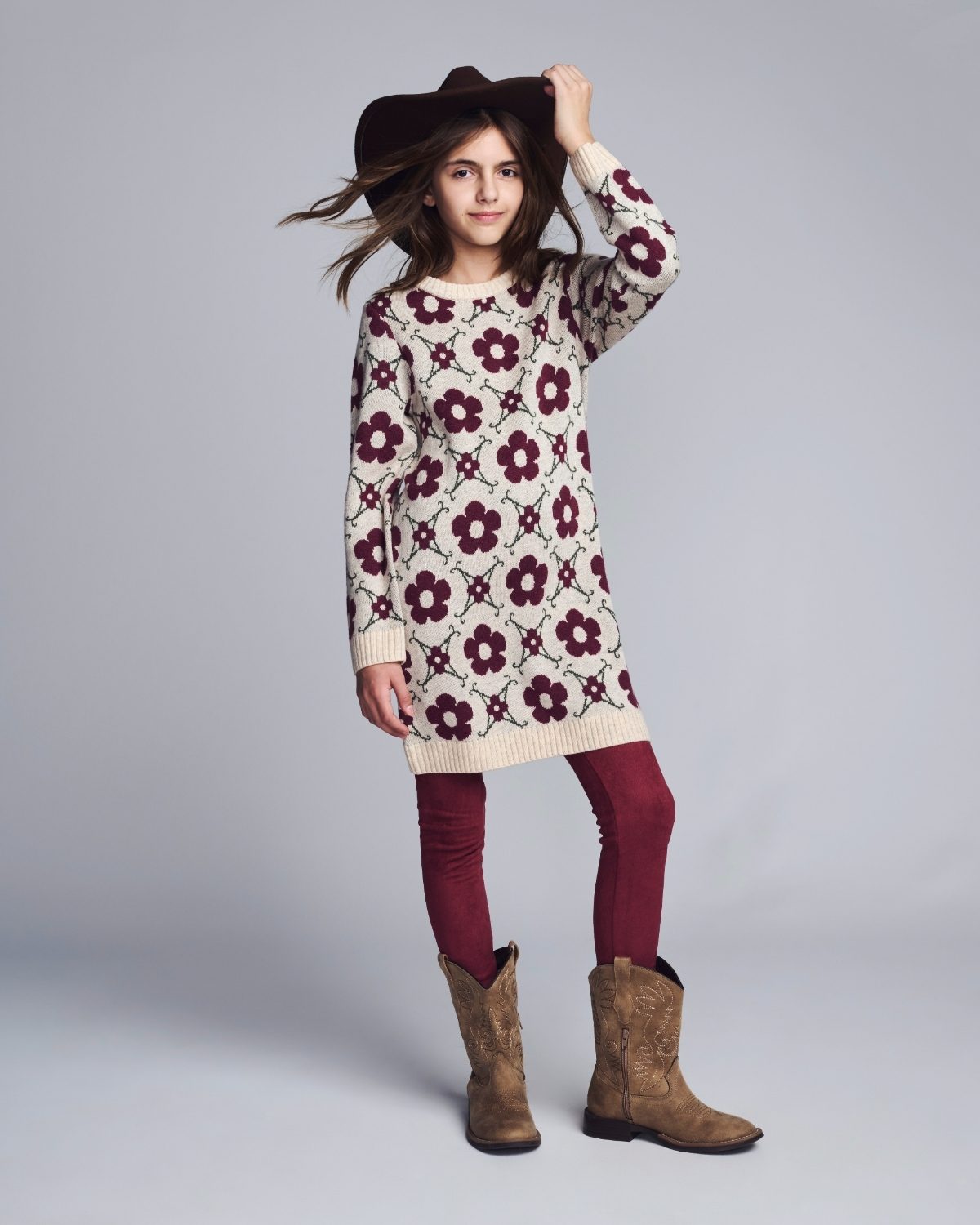
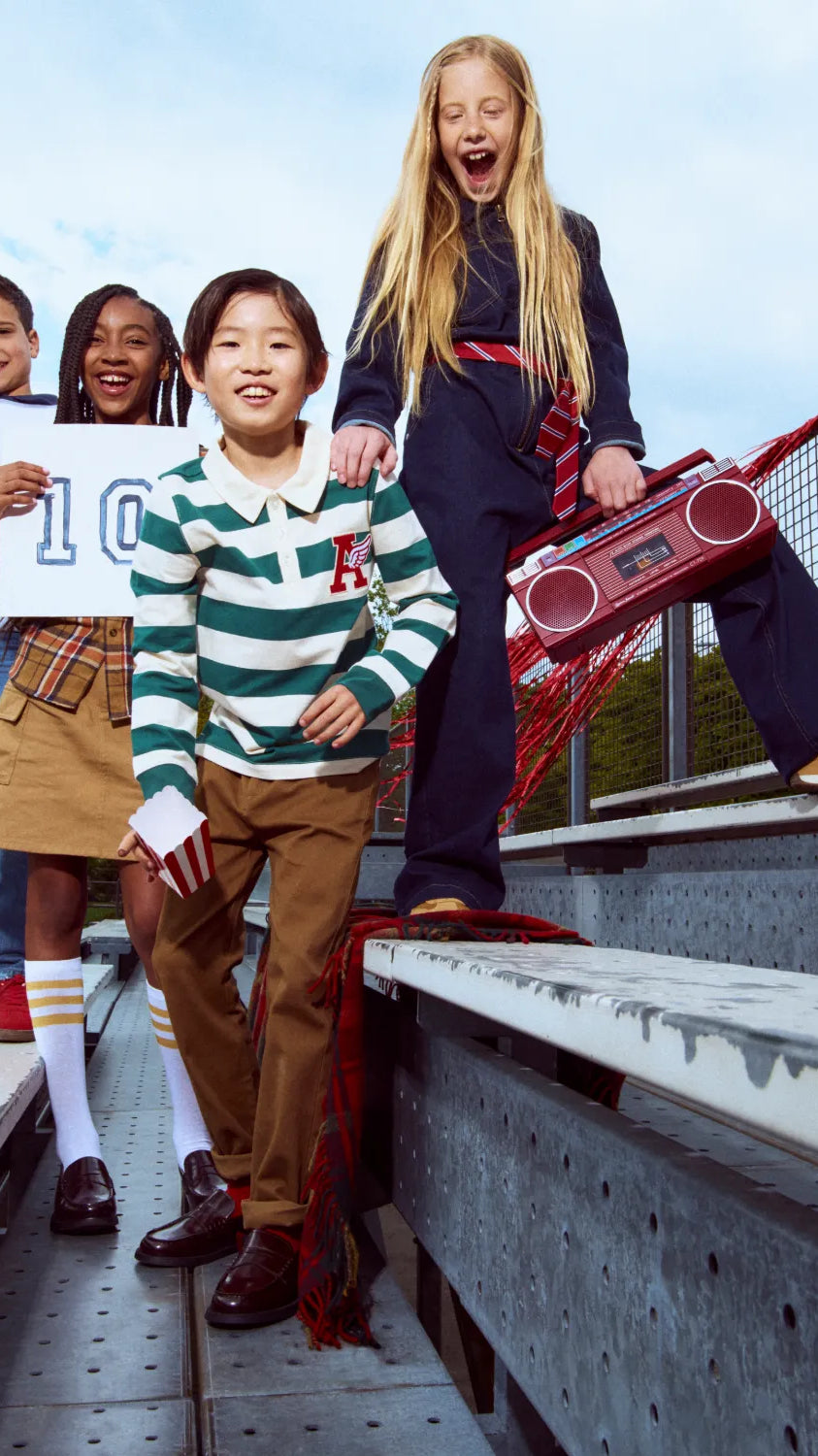
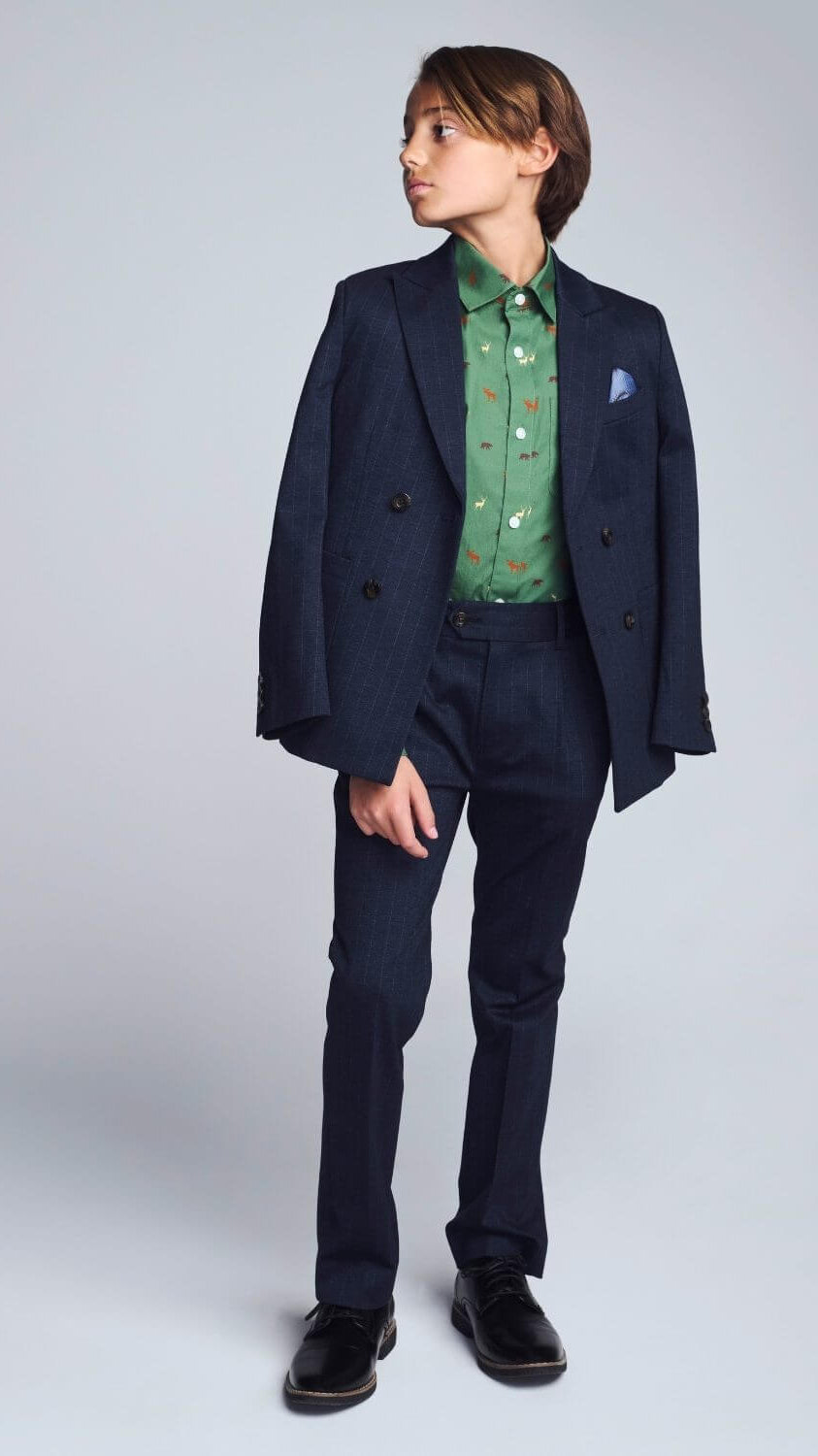
Appaman runs true to size, but it’s based on a narrow cut. Also, our sizes are based on a garment having a fitted look, like you see on our models. That means, if your child is on the slim or lean side, they will likely wear their usual size and it will fit comfortably. If your child is not the long and lean type, and you are choosing something that’s slim-fitted like a "skinny fit" trouser, you might want to size up to allow for a more generous fit. This is less important if you’re ordering a more forgiving style like slouchy sweats or an elastic waist skirt.
Keep in mind:
- Many of our woven pants and trousers have a hidden elastic band in the waist, so you can always cinch the waist smaller.
- For some jackets, you can push up the sleeves or wear it long, so it can be worn a little big.
- For some long, heavy coats, a little kid might get “swallowed” in an oversized jacket that is not very “scrunchable.”
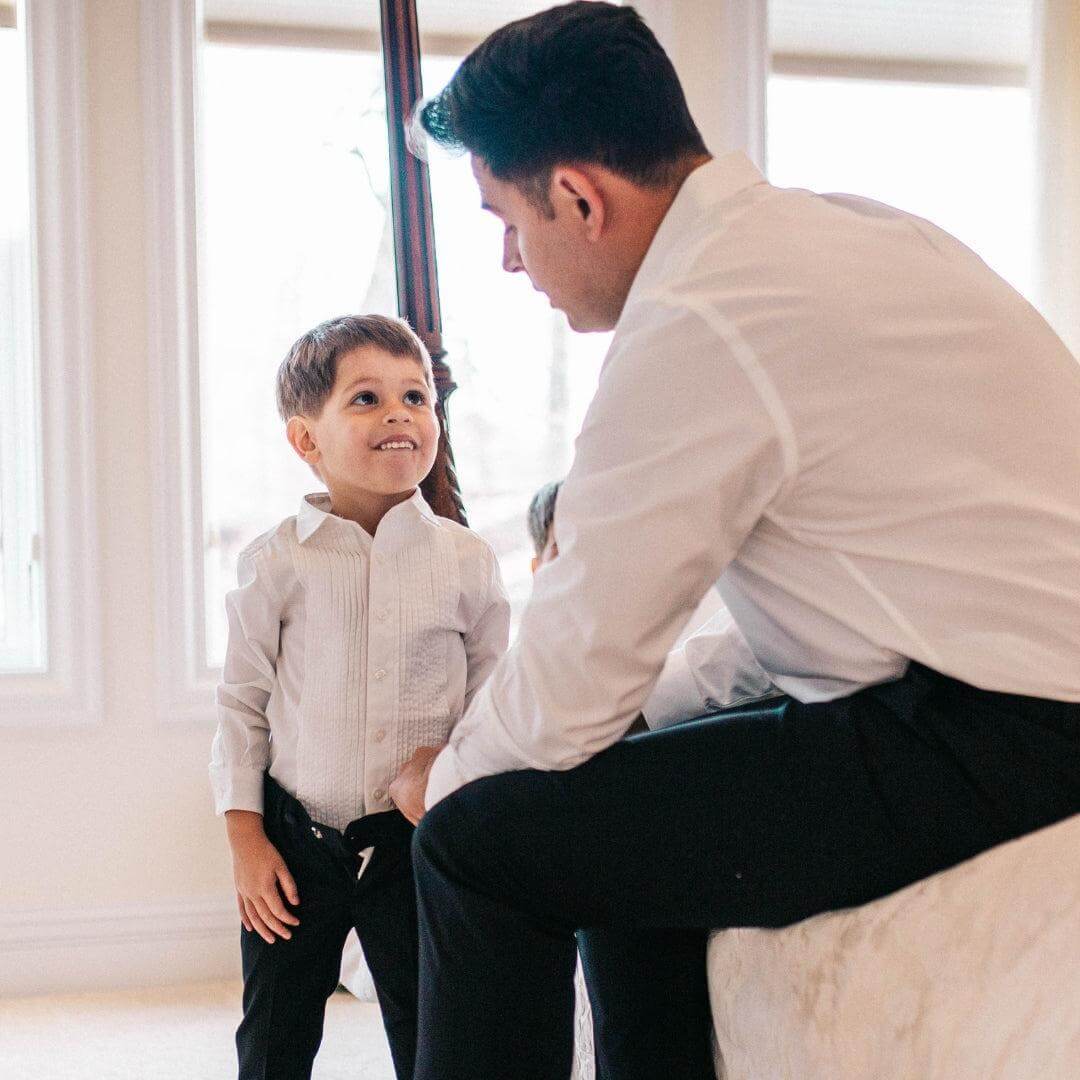
Tip #3: Think about how THEY like the garment to fit.
Here’s where your personal preference comes into play, especially if you’re between sizes. Plus, there’s no rule that you have to buy the size we suggest!
Did you know??? Appaman suit pants come with a hem allowance to grow with your kiddo!
When you might decide to buy bigger size:
- Your kid prefers their t-shirts big and baggy
- You’re buying that flannel for an oversized, slouchy, ‘90s grunge look, and that’s not what the model photo shows.
- You want to leave plenty of room for your kid to grow into
- You expect to wear a lot of layers underneath
When you shouldn’t get a bigger size than the chart recommends:
- You really like the fitted look you see on our models and want it to look like the picture
- You are shopping for an upcoming event, and it’s important that the garment fits “just right” according to your kid’s current size – “room to grow” is not necessary
Tip #1: Use the size chart
Do not assume that the size corresponding with your child's age will be the right one. Kids come in all shapes and sizes, so that's just a starting point. This is especially true for older kids, where there’s a much wider range of sizes at a given age.
When in doubt, or if you are in between two sizes, we almost always recommend ordering the larger one, unless you have specific fit preferences (if so, keep reading)
For detailed sizing information tailored to your child’s gender, please refer to our Girls’ Clothing Size Chart and Boys’ Clothing Size Chart.
Tip #2: Consider the kid's body type & the cut or versatility of a particular style
Appaman runs true to size, but it’s based on a narrow cut. Also, our sizes are based on a garment having a fitted look, like you see on our models. That means, if your child is on the slim or lean side, they will likely wear their usual size and it will fit comfortably. If your child is not the long and lean type, and you are choosing something that’s slim-fitted like a "skinny fit" trouser, you might want to size up to allow for a more generous fit. This is less important if you’re ordering a more forgiving style like slouchy sweats or an elastic waist skirt.
Keep in mind:
- Many of our woven pants and trousers have a hidden elastic band in the waist, so you can always cinch the waist smaller.
- For some jackets, you can push up the sleeves or wear it long, so it can be worn a little big.
- For some long, heavy coats, a little kid might get “swallowed” in an oversized jacket that is not very “scrunchable.”
Tip #3: Think about how THEY like the garment to fit.
Here’s where your personal preference comes into play, especially if you’re between sizes. Plus, there’s no rule that you have to buy the size we suggest!
Did you know??? Appaman suit pants come with a hem allowance to grow with your kiddo!
When you might decide to buy bigger size:
- Your kid prefers their t-shirts big and baggy
- You’re buying that flannel for an oversized, slouchy, ‘90s grunge look, and that’s not what the model photo shows.
- You want to leave plenty of room for your kid to grow into
- You expect to wear a lot of layers underneath
When you shouldn’t get a bigger size than the chart recommends:
- You really like the fitted look you see on our models and want it to look like the picture
- You are shopping for an upcoming event, and it’s important that the garment fits “just right” according to your kid’s current size – “room to grow” is not necessary
Have Questions?
We Have Answers.
How do I measure my child for the best fit?
We recommend using a soft measuring tape and comparing your child’s measurements directly to our size chart. For the most accurate fit, measure the chest, waist, hips, and inseam while your child is standing comfortably. For suiting and tailored styles, product measurements are especially helpful to ensure the perfect fit.
Should I use body measurements or product measurements when choosing a size?
Both are helpful. Start with your child's body measurements and compare them to our size chart to find their size. Then check the garment measurements on the product page: measure a similar item your child already owns and compare the two. This is especially helpful for suits, dress shirts, and tailored pants, where a close fit matters most.
Are Appaman suits true to size?
Our boys suits are designed with a modern tailored fit and include stretch fabric for comfort and movement. Most customers find our suits true to size, but if your child is between sizes or prefers a roomier fit, sizing up may be the best option.
What size should I order if my child is between sizes?
If your child falls between sizes, we usually recommend sizing up for longer wear and comfort, especially in suiting and outerwear. Adjustable waistbands and stretch fabrics in many Appaman styles help create a flexible fit.
How do I measure for a kids suit jacket and suit pants?
For suit jackets, measure the fullest part of the chest and compare it to the jacket measurements. For suit pants, focus on the waist and inseam measurements. Comparing these measurements to a favorite blazer or pair of pants at home can help you find the best fit.
What size should I buy as a gift?
Choose the size that matches the child's age, or one size up so they can grow into it. Relaxed styles and outerwear are more forgiving than tailored pieces, and an Appaman gift card is always a safe choice.
When should kids switch from toddler to kids' sizes?
Most kids move from toddler sizes to kids' sizes between ages 3 and 5, often around the time they're potty-trained and getting taller and leaner. The best sign is when 4T still fits in the waist but is too short in the sleeves and legs.
What's the difference between 4T and size 4?
4T is the largest toddler size, while size 4 is the smallest kids' size. A 4T is shorter and roomier through the body, while a size 4 is longer and slimmer. If your child is potty-trained and getting taller, size 4 usually fits better. Appaman's 2T bottoms are made with room for diapers.